No TPD In Nellore Hatcheries, Confirms CIBA Report; Farmers Told Not To Panic

TPD is a highly contagious emerging bacterial disease affecting Penaeus vannamei shrimp (PL2–PL7), with mortality rates of up to 90–100 per cent within days
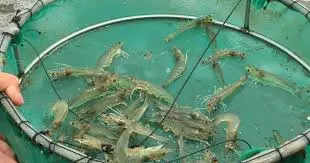
NELLORE: In a major relief to aquaculture farmers, the ICAR–Central Institute of Brackishwater Aquaculture (CIBA) has confirmed that Translucent Post-Larvae Disease (TPD) is not present in shrimp hatcheries across Nellore district.
TPD is a highly contagious emerging bacterial disease affecting Penaeus vannamei shrimp (PL2–PL7), with mortality rates of up to 90–100 per cent within days.
The findings are based on laboratory analysis of shrimp seed samples collected from hatcheries in the Thotapalli Guduru region, including MAS Aquatechniks Pvt. Ltd. and a facility in Venkannapalem. Samples of PL-11 stage shrimp seed were tested using advanced Polymerase Chain Reaction (PCR) methods at CIBA’s Chennai laboratory, which found no trace of the TPD pathogen.
The report has brought reassurance to farmers amid recent concerns over disease outbreaks affecting shrimp seed quality.
District fisheries joint director Dr K. Shanti said the results clearly show that hatcheries in Nellore are free from TPD. “Farmers need not panic. They can continue shrimp cultivation with confidence. By using quality seed and strictly following biosecurity measures, good yields can be achieved,” she said.
Officials noted that Nellore, a key aquaculture hub, continues to maintain safe and healthy production conditions. Farmers have been advised to procure shrimp seed only from certified hatcheries, regularly monitor pond water quality, strictly follow biosecurity protocols, and report any unusual symptoms immediately to fisheries authorities.
Experts said such scientific validation helps curb misinformation and strengthen farmer confidence. With the CIBA report ruling out TPD, shrimp farming activity in the district is expected to continue without disruption.
Authorities reiterated that farmers should rely on verified information and proceed with cultivation while adhering to recommended best practices for optimal yields.
