Nirmala’s Push for Healthcare; From Cancer Drugs to Biopharma

Union finance minister Nirmala Sitharaman's proposal to waive Basic Customs Duty (BCD) on 17 specified cancer drugs aims to reduce treatment costs by lowering the import burden on critical life-saving medications
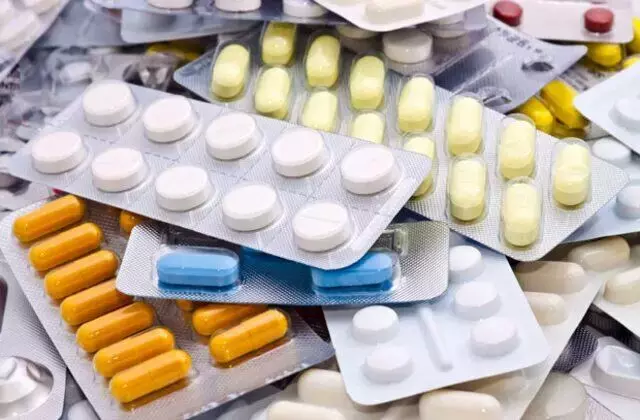
Visakhapatnam: Andhra Pradesh grapples with a surging cancer burden, with over 53 lakh people screened and 52,221 suspected cases identified in 2025, medical experts have welcomed the Union Budget 2026–27's decision to exempt basic customs duty on 17 cancer medicines as a patient-focused intervention.
The state records over 40,000 cancer-related deaths annually, with oral, breast, and cervical cancers accounting for a major share of detections. Alarmingly, nearly 70 per cent of confirmed cases are diagnosed at advanced stages, increasing reliance on high-cost imported medications for treatment.
Union finance minister Nirmala Sitharaman's proposal to waive Basic Customs Duty (BCD) on 17 specified cancer drugs aims to reduce treatment costs by lowering the import burden on critical life-saving medications.
Industry experts estimate the duty exemption could yield a 5–10 per cent reduction in drug prices, depending on hospital procurement and supply-chain margins. For patients undergoing prolonged treatment, where monthly medicine bills can range from ₹1 lakh to ₹2 lakh or more, this translates into potential savings of ₹5,000 to ₹20,000 per month.
The relief assumes particular significance for Andhra Pradesh, where advanced oncology care is concentrated in urban hubs like Visakhapatnam, Vijayawada, and Tirupati.
While the budget does not specify which drugs are covered, leading oncologist Dr. Suman Das indicates they likely refer to immunotherapy and targeted therapy drugs not manufactured in India due to patent restrictions. He further said while the measure definitely boosts those needing these specific drugs, it would reduce less than 0.1% of the nation's entire cancer burden.
He advocates a more comprehensive approach, including reducing import duty on diagnostic, prevention, and treatment machines; lowering GST and other costs on essential cancer drugs to make them affordable for common people; including advanced treatment options like immunotherapy under Ayushman Bharat; and increasing the budget for cancer prevention and early detection programmes.
Hitesh Sharma, partner and National Health Science Tax leader at EY India, described the budget as overwhelmingly positive for healthcare, emphasising its focus on biopharma fundamentals through a substantial ₹10,000 crore allocation for global manufacturing capabilities. He highlighted that the Ayush scheme expansion and customs duty exemption on 17 cancer drugs will enhance patient affordability. However, direct tax incentives for pharmaceutical research and development continue to remain a missing piece, he added.
