Madhavaram Village As a Symbol of Religious Harmony
In this casteless village, all religions live peacefully, sharing pride in serving the nation.
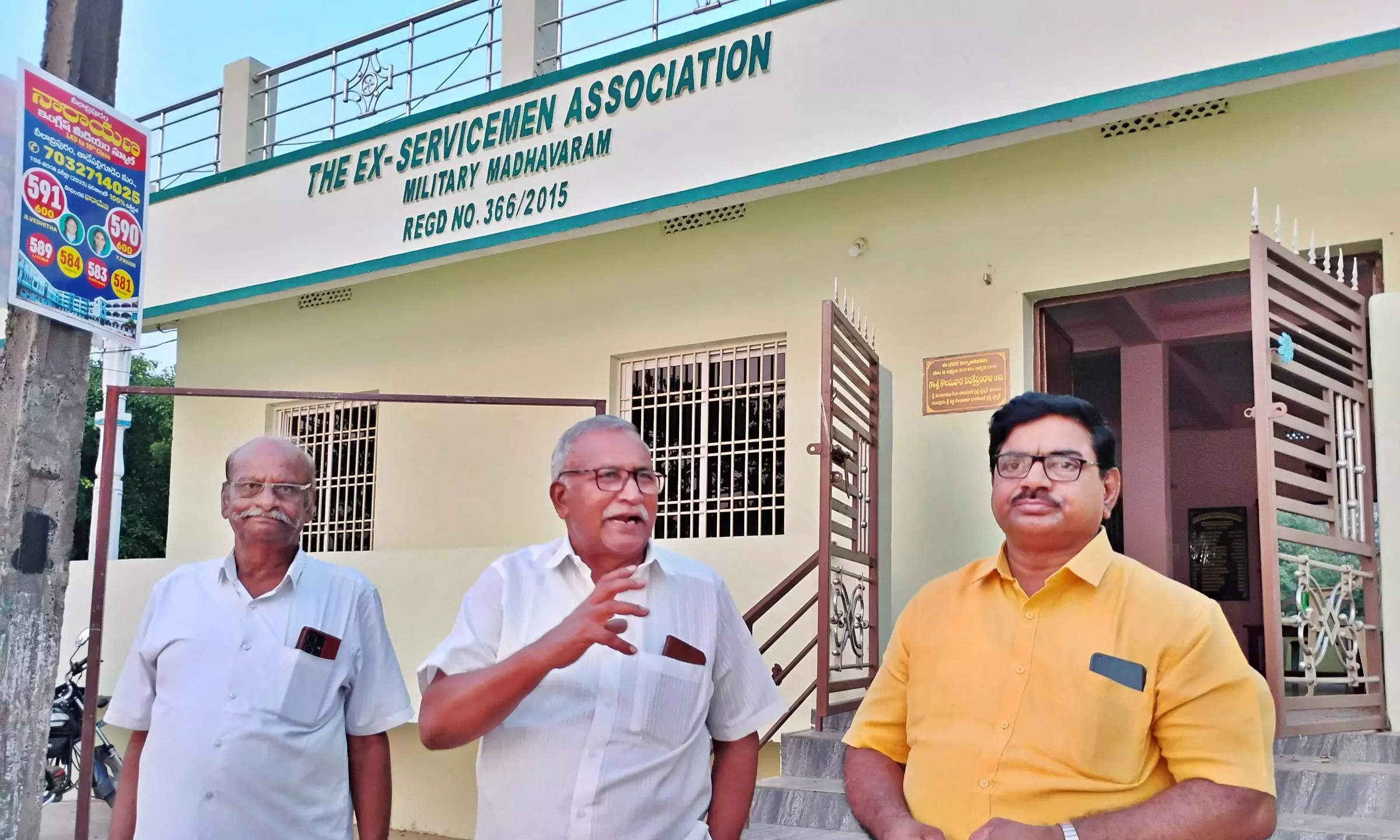
Kakinada: The Military Madhavaram village in Tadepalligudem Rural mandal of West Godavari district stands as a symbol of religious harmony and a casteless society.
Caught in a patriotic fervour, there are no differences of caste and creed in the village. The late Syed Sattar, a retired havaldar, constructed a village temple for goddess Poleramma and a Kamakshi temple in the village from his own money. His son worked in the armed forces. Another Muslim, Naguru and his son also worked in the army.
Ex-serviceman Syed Sattar became a role model for communal harmony with his gesture towards the Hindu temples and the Poleramma Goddess. The goddess, it is believed, removed all fears in the lives of the villagers.
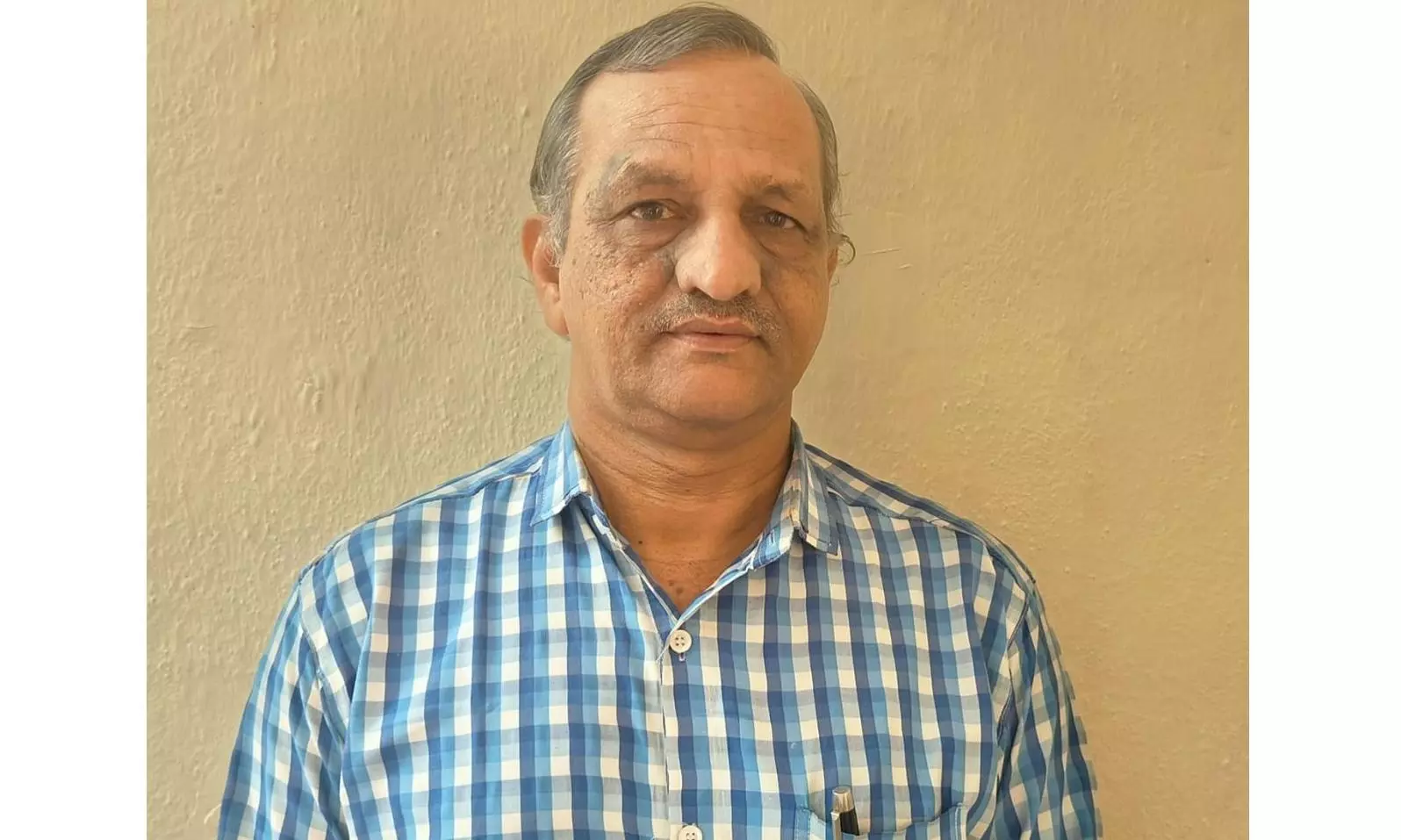
The Madhavaram ex-servicemen association secretary, Gopisetty Bharathudu, said nobody showed any caste or religious discrimination in the village and “we are all living together in perfect harmony.”
However, the villagers defeated Bharatudu in local body (MPTC) election, due to political considerations.
Association honorary president G Sundara Rao said there is no consideration of caste in the village, though the inhabitants belonged to different castes and religions. “We live the same way as those in the military do. We are one.”
However, Sundara Rao and other ex-servicemen in the village expressed their dissatisfaction over the Agniveer scheme of the Union Government. Sundara Rao said, previously, army recruitment was being held at Madhavaram village. Later, due to lack of facilities in the village, the men in the village had to go and participate in army
recruitment rallies in other cities. Then some of the village youths were discouraged.
Now, the youth are not showing much interest in joining the Agniveer scheme. They are allowed to serve only for four years and then exit. This was very disappointing to the youth in the village. Previously nearly 400
youths used to run in the morning and evening in the village for their physical fitness. Now, such scenes are missing, he said.
