Kadapa Airport To Handle Larger Aircraft After June With New Terminal

At present, only aircraft with a seating capacity of 80 or fewer operate from Kadapa due to limitations of the existing terminal. Officials said the restricted infrastructure has prevented airlines from deploying bigger aircraft and increasing service frequency
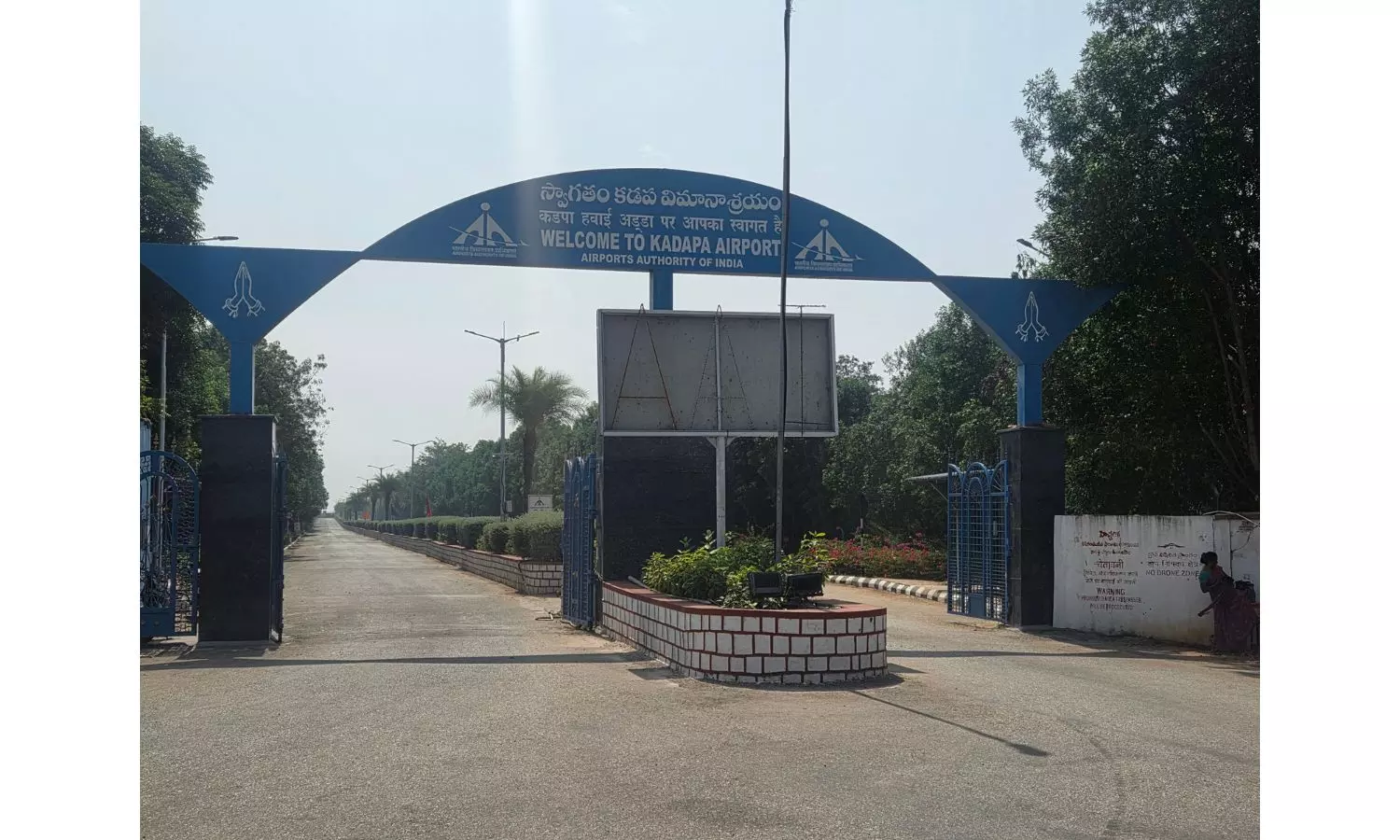
KADAPA: Kadapa airport is set to handle larger aircraft after June, with the construction of its second terminal progressing at a brisk pace. The new terminal, being built at a cost of Rs 240 crore, is expected to be completed within the next four months, significantly enhancing the airport’s operational capacity.
At present, only aircraft with a seating capacity of 80 or fewer operate from Kadapa due to limitations of the existing terminal. Officials said the restricted infrastructure has prevented airlines from deploying bigger aircraft and increasing service frequency. Currently, flights operate daily to Hyderabad and on alternate days to Vijayawada via Chennai.
With the new terminal nearing completion, aircraft with a seating capacity of 150 or more are expected to operate from Kadapa, paving the way for improved connectivity and higher passenger traffic.
Passenger demand from Kadapa to various destinations has been steadily rising over the years. However, due to technical and infrastructural constraints, services could not be expanded in proportion to demand. Authorities believe that once the second terminal becomes operational, Kadapa airport could witness flight movements on a par with airports such as Renigunta and Rajamahendravaram.
Kurnool district collector Cherukuri Sridhar, who recently inspected the works, said, “We have set a target to complete the second terminal by the end of June. The works are progressing on a war footing. Considering the growing passenger demand, we are ensuring the project is completed within the stipulated time.”
He added, “Once the new terminal is ready, larger aircraft can operate from Kadapa, significantly improving air connectivity and benefiting passengers across the region.”
