Hepatitis B, C A Concern In AP; Estimates Reveal Over 10 Lakh Patients

Andhra Pradesh has the highest percentage of hepatitis incidences in the country
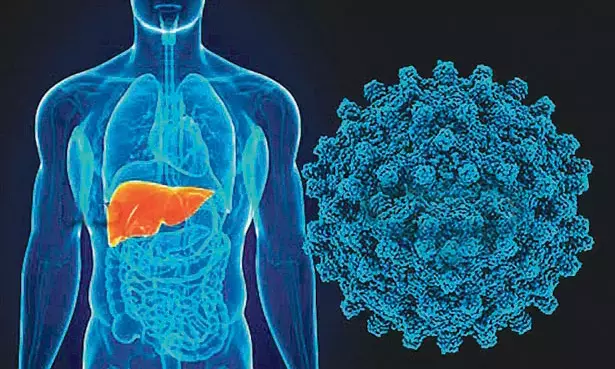
Hepatitis B and C are emerging as a public health concern in Andhra Pradesh, with estimates showing that the state has the highest prevalence of these infections in the country. Health department estimates show that over two per cent of the state’s population is affected. In other words, more than 10 lakh people of the estimated five crore population of AP are suffering from hepatitis.
Of the five types of hepatitis, B and C are considered more serious, because they can cause chronic liver disease and other complications. The central and state governments have stepped up preventive measures to contain their spread.
Healthcare workers in the state have identified people with high risk of hepatitis. They have launched a three-dose Hepatitis B vaccination programme for them, covering 3.69 lakh people across all districts.
Kurnool District Medical Officer Dr. Y. Kameswara Prasad said, "People born before 2004 are considered more vulnerable as the Hepatitis B vaccine had not been available in the routine immunisation programme until then. We have started administering the vaccine to protect vulnerable sections."
Hepatitis B and C can spread through infected blood, unsafe blood transfusions, reuse of contaminated syringes, and unprotected sexual contact. Hepatitis B can also be transmitted from an infected mother to her child. Hepatitis A and E are commonly transmitted through contaminated food and water. Improper disposal of hospital waste can also lead to spread of this disease.
Kurnool Medical College general surgery professor Dr. P. Haricharan warns against delayed diagnosis, as it could lead to serious complications. "Hepatitis can become dangerous if it is not detected and treated in early stages. Early diagnosis and timely intervention are essential to prevent the disease from progressing. Vaccination should also be extended to people living in slums, apart from those belonging to identified high-risk groups," he said.
Health officials have identified NTR, East Godavari, Visakhapatnam, Kurnool, and Nellore districts as areas with relatively higher numbers of cases. Sex workers, men who have sex with men (MSM), people living with HIV, and children born to infected mothers are among the groups considered vulnerable.
Dr. D. Neelima, nodal officer Andhra Pradesh for the National Hepatitis B Control Programme, said, "The central and state governments have initiated extensive measures to control the infection. The vaccination programme is being implemented across AP. We expect to see a reduction in hepatitis cases in the coming years."