Greater Role Needed For Non-state Actors In Public Policy: Former Karnataka CS

The lecture offered a comprehensive and structured understanding of public policy as a key instrument of governance, going beyond theoretical frameworks found in standard academic literature
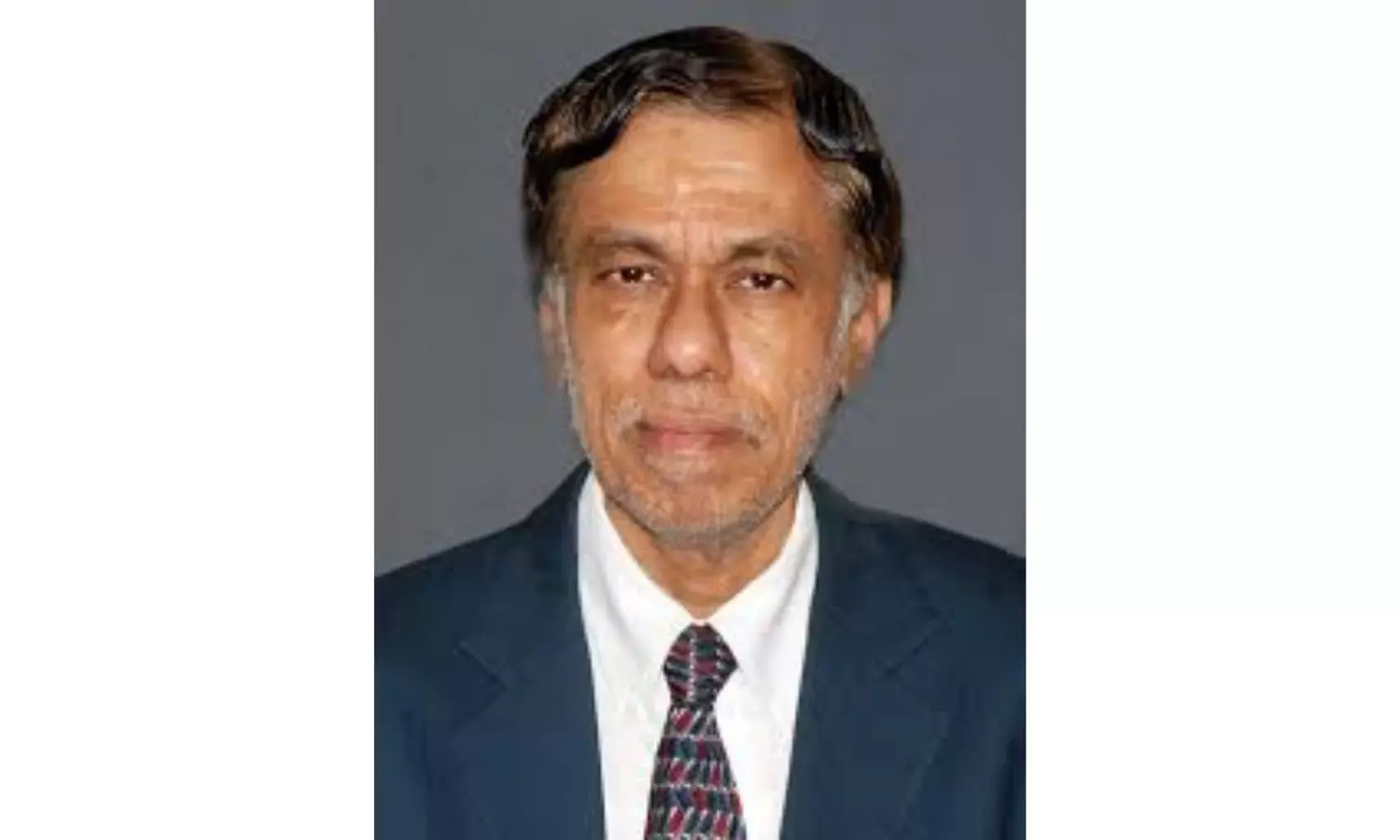
Anantapur: S.V. Ranganath, former chief secretary to the government of Karnataka, on Sunday stressed the growing need to expand space for non-state actors in the public policy domain to strengthen policy empowerment. He also urged policy planners and executors to remain change-friendly.
Ranganath was delivering a lecture on “Public Policy and Governance: Practices and Challenges” at the Central University of Andhra Pradesh (CUAP).
The lecture offered a comprehensive and structured understanding of public policy as a key instrument of governance, going beyond theoretical frameworks found in standard academic literature. He contextualised public policy within institutional realities, administrative constraints and political economy considerations, offering perspectives rarely accessible to academic communities.
Ranganath discussed various facets of public policy, including the roles of the executive, legislature and judiciary, while underlining the importance of academia, civil society and the private sector in fostering collaborative and inclusive governance.
Reflecting on state capacity, institutional building, regulatory discretion and rule-based governance, the former chief secretary highlighted the limitations of coercive power in public administration. He also spoke on public choice theory, management of common resources, social equity and polycentric governance, stressing the need to balance efficiency, fairness and sustainability in policy-making.
Sharing practical insights from real-life policy experiences, he highlighted the importance of negotiation, phased implementation, pilot projects and evidence-based decision-making. He emphasised that policy-making is a long-term, deliberative process rather than a short-term, event-driven exercise.
His emphasis on institutional learning, leadership development and continuous improvement resonated with the university’s mission of contributing to public policy research and capacity building.
