Glaucoma walk highlights ‘silent thief of vision’

Glaucoma, commonly associated with increased eye pressure, is known as the 'silent thief of vision' because it typically causes no symptoms until permanent damage has occurred. Once vision is lost to glaucoma, it cannot be restored
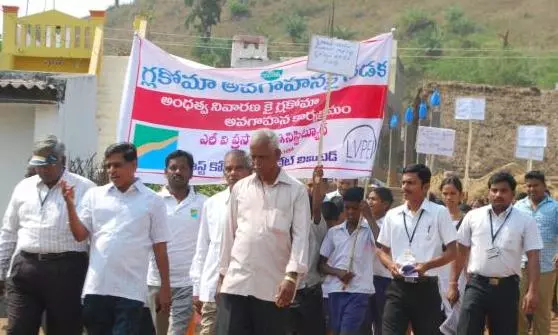
Visakhapatnam: A rally was conducted on Sunday morning along the beach road coast, where around 200 people participated in a glaucoma awareness walk in an effort to highlight the dangers of an eye disease that affects millions worldwide yet often goes undetected until it's too late.
Glaucoma, commonly associated with increased eye pressure, is known as the 'silent thief of vision' because it typically causes no symptoms until permanent damage has occurred. Once vision is lost to glaucoma, it cannot be restored.
Dr Sai Yashwanth T., a consultant ophthalmologist specialising in glaucoma at the LVPEI GMRV campus in Visakhapatnam, urged people to get comprehensive eye checkups done at regular intervals to detect glaucoma in the early stages, better manage it and avoid blindness, and asked not to miss the tests, especially if you have a family history of glaucoma.
According to health statistics shared during the event, approximately 80 million people worldwide suffer from glaucoma, with roughly 50% unaware of their condition. In India alone, an estimated 11.2 million people (4.5% of the population) have glaucoma, with 1.1 million having already lost their sight to the disease.
Visakhapatnam: The walk capped off a week-long Glaucoma Awareness Week (March 8-16) organised by the LVPEI eye care network, which included social media campaigns, workshops for practitioners, and continuous medical education sessions.
Medical experts at the event emphasised that while glaucoma is a potentially blinding disease, most patients can lead productive, fulfilling lives if they follow their doctor's instructions. The key is early detection and consistent treatment.
People at higher risk include those with high myopia, diabetes, those who have used steroids for extended periods, and individuals with a family history of glaucoma.
