Fashion: Women in North Andhra, Odisha Showed Way To West

These sculptures belong to the 13th Century, long before such fashion pursuits caught up with women in the West. The Europeans dressed their hair and wore high heels after the Renaissance in the 14th Century.
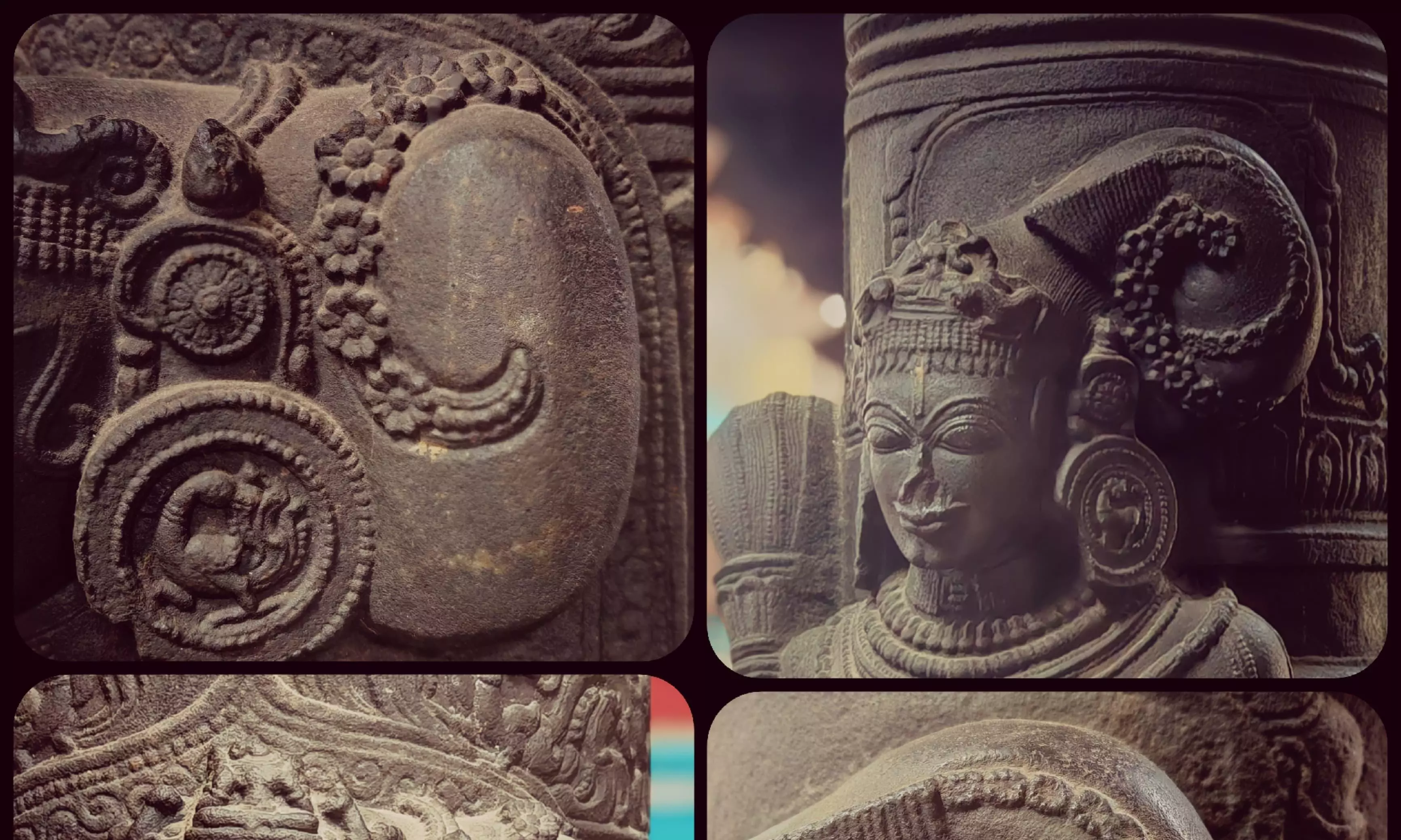
Visakhapatnam: Women from Odisha and North Andhra were ahead of their European counterparts in fashion – spanning styles in hairdressing, wearing high-heel shoes and adorning themselves with jewelry.
Use of high heels was in vogue here long ago, as is evident in the stone works of the Konark Temple, while the hair-dressing styles marked Simhachalam’s sculptures of ancient past. Both the temples were built by Langula Narasimha Deva Gajapati and the architect was Aktai Senapati.
These sculptures belong to the 13th Century, long before such fashion pursuits caught up with women in the West. The Europeans dressed their hair and wore high heels after the Renaissance in the 14th Century.
While heels were initially worn by men in Persia for purposes like riding, the sculptures from the Konark Sun Temple show that Odiya women were incorporating high heels into their fashion in the 13th Century.
According to historian Sai Kumar Kethineedi, many types of headdresses are evident in these sculptures. The most-important are the headdresses of kings, the deity statues, the common people, sages and dancers.
“Kings, emperors and princes combed their hair straight up and wore a jeweled crown on it,’’ Sai Kumar notes.
The attire in these temple sculptures is also elegant. Kings and queens wore thin clothes. The clothes were from the waist down. The upper part of the waist was uncovered. “Both men and women were carved without any clothes on the upper part.”
For instance, the woman (Choun bearer) holding the Vinjamara in the Kalyanamandapam is wearing a thin saree tied with cumin threads up to the waist. In this way, various types of attire are seen in the sculptures of that time.
The dancers and the kings wore the Uttariyam. It looked as if this was hanging from their shoulders.
In those times, people held the belief that wearing jewelry increased their longevity and health, while also giving strength and radiance to the body. This, they thought, even cured diseases by relieving them of planetary afflictions. Therefore, in tune with such customs, the sculptor adorned the sculptures with ornaments.
“In the hands of this sculptor, animals and birds were no exception. These also are seen adorned with colorful ornaments. Ancient decorators divided these ornaments into 16 types, or Shodasha, which are arranged from head to toe. All these types of ornaments are found in the sculptures in Simhachalam,” Sai points out.
