Central Jail’s Production Units Boost Inmates’ Skills; Profits Increase

“These numbers are more than just figures. They represent the growing success of our production units in generating revenue while nurturing skill development": Jail superintendent M. Mahesh Babu
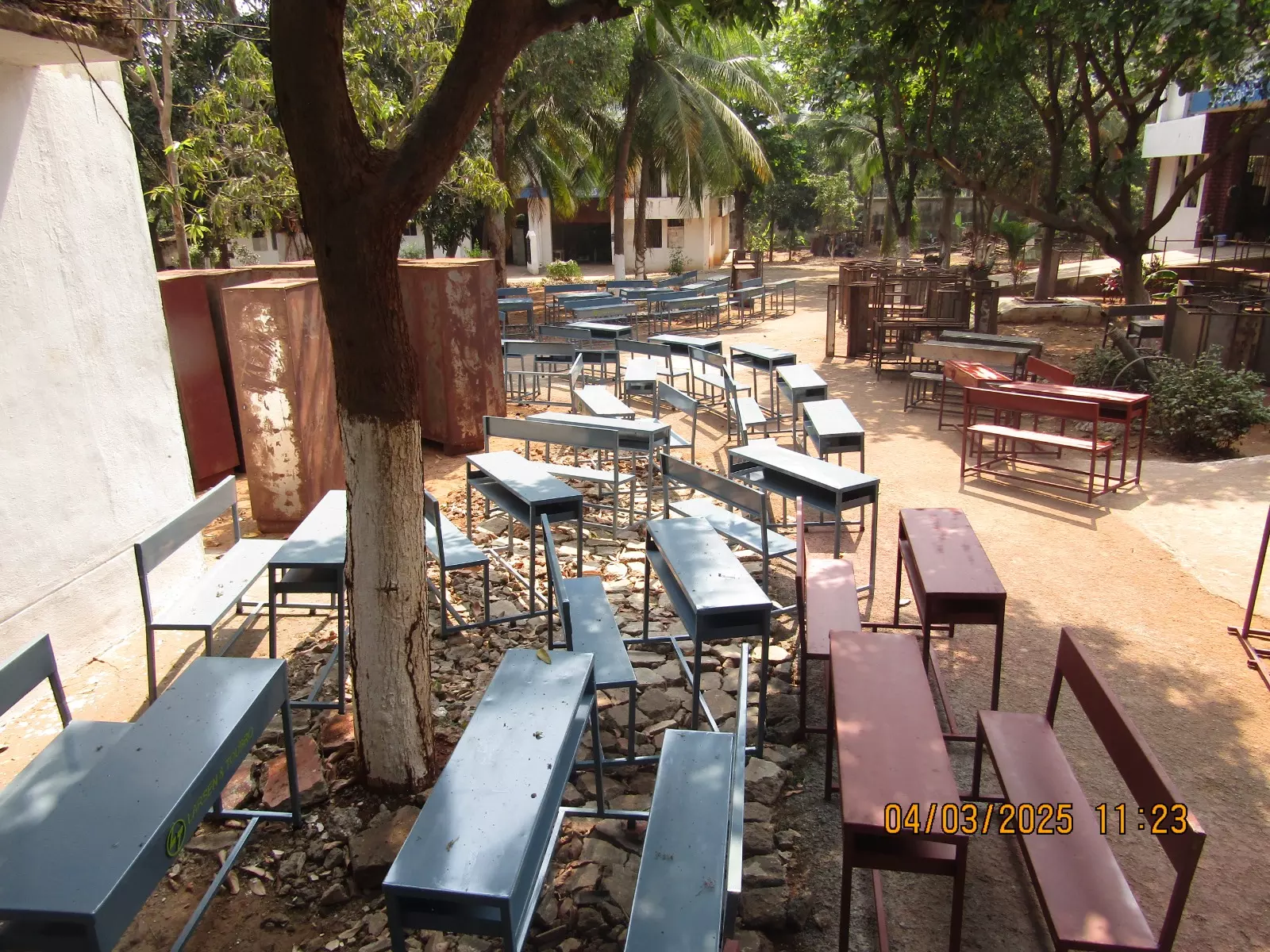
VISAKHAPATNAM: The Visakhapatnam Central Jail operates ten prison-based production units that are equipping inmates with vocational skills that can help them find jobs after their release.
These units focus on steel furniture manufacturing, weaving and dyeing, tailoring, bookbinding, dry cleaning, phenoil production, bakery goods, printing, agriculture and dairy farming.
Currently, five of these industries have recorded profits, while contributing to the institution's sustainability and playing a significant role in the rehabilitation of prisoners. In the fiscal 2024–25, the steel furniture unit emerged as a lead unit, generating an income of 1.35 crore and a profit of ₹17 lakh.
The weaving and dyeing unit also made significant contributions, producing goods worth ₹15 lakh and generating a profit of ₹1.6 lakh.
The bakery unit provided delicious products with a total production value of ₹15.3 lakh and a profit of ₹2 lakh. The agriculture unit added ₹5.8 lakh in production, recording a profit of ₹76,000. The Dairy unit saw a production worth ₹44 lakh and a profit of ₹3.2 lakh.
Jail superintendent M. Mahesh Babu told Deccan Chronicle, “These numbers are more than just figures. They represent the growing success of our production units in generating revenue while nurturing skill development. By engaging inmates in meaningful trades such as food production, textile work and agriculture, we not only offset the operational costs but also create dignified, self-sustaining livelihoods for prisoners after their release.”
The prisoners, he said, are encouraged to participate in various vocations based on their skills and preferences. Once they communicate their interests, their behaviour is carefully monitored to assess their suitability for specific roles.
“For example, suppose a prisoner wishes to work in agriculture. Their conduct during incarceration is closely monitored. Only those who demonstrate a positive transformation are allowed to engage in agricultural work. We allow only prisoners who have undergone significant transformation to engage in works like agriculture,” Mahesh Babu said.
He said, “Many inmates nearing release are engaged in agricultural work, and some had their sentences reduced due to their positive behaviour during their incarceration here.”
