Banaganapalli Mango Yield May Decrease by 30% Due to Pest Attacks

Pest attacks and adverse weather conditions threaten Banaganapalli mango yield, with a potential 30% drop in production
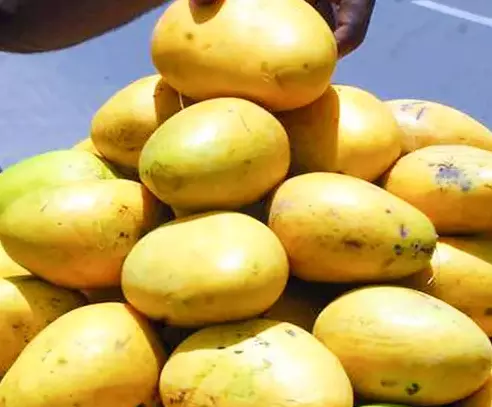
The start of this mango season has been disappointing for growers of the Banaganapalli variety in Andhra Pradesh, as pests have significantly affected the crop. Estimates indicate that the yield could drop by nearly 30% this year.
Banaganapalli mangoes, a favorite among mango lovers, are also a major export to other states. The fruit is primarily grown in the Godavari districts, which are known for their large-scale production.
In addition to Banaganapalli, the Totapuri variety from Chittoor and Suvarnarekha from Vizianagaram are also grown in the region.
Farmers cultivating Banaganapalli are facing tough times. I. Suryanarayana, a trader, shared that he owns a nine-acre mango orchard, most of which is planted with the Banaganapalli variety. However, the crop has been severely affected by pests. Despite efforts to spray pesticides, Suryanarayana fears the treatment may not be sufficient to combat the pest infestation.
In Eluru district, farmers are also distressed by the heavy rains and strong winds on April 5. Over 170 farmers have insured their mango crops and have urged the government to release insurance payouts to help them recover from the losses.
S. Ram Mohan, the horticulture officer in Eluru district, confirmed that the Banaganapalli variety has been heavily attacked by pests, and the overall production is expected to decrease.
