ASR Collector Hosts Key Meeting on Pumped Storage Project

28 Oct 2025 12:16 PM IST28 Oct 2025 12:16 PM IST
The PSPs, which aim to harness hydropower through elevation-based water storage systems, promise green energy and infrastructure development in the region
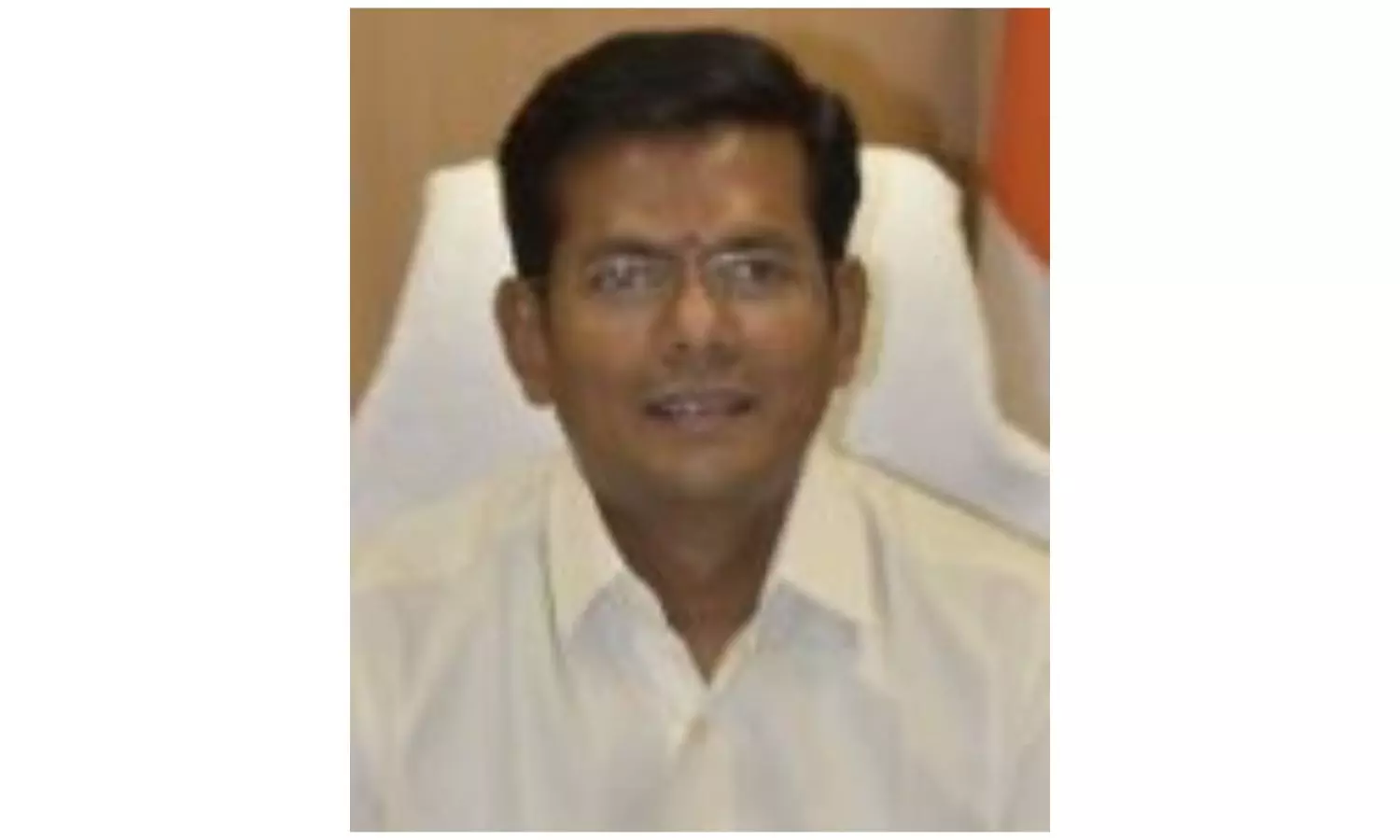
: Alluri Sitharama Raju Collector A. Dinesh Kumar (Photo: By Arrangement)
Visakhapatnam: Alluri Sitharama Raju Collector A. Dinesh Kumar presided over a high-level meeting on Monday to discuss the rollout of two pumped storage projects (PSPs) in the tribal regions of Gujjili and Chittamvalasa of ASR district.
Officials of NREDCAP (New and Renewable Energy Development Corporation of AP) participated in the meeting. The PSPs, which aim to harness hydropower through elevation-based water storage systems, promise green energy and infrastructure development in the region. However, environmentalists are raising critical concerns about land use and displacement of people that the projects will involve.
ASR district superintendent of police and joint collector, apart from tahsildars of Araku Valley, Ananthagiri and Hukumpeta attended the meeting. NREDCAP’s MD and general manager presented the technical scope of the pumped storage projects.
According to the GO issued in this regard, the projects will affect 116 acres of forest land and 1,302 acres of non-forest land. Villages directly impacted include Dudikonda, Bheemavaram and Kusumvalasa. The inundation zone spans 304 acres and affects settlements, such as Dudikonda (12 huts), Mushriguda (52 huts), Chippapally, Dumbriguda and Majjivalasa.
Following concerns, officials have assured the nearby villages of Tangalaguda, Koguvalasa, Addumanda, Sankuparti and Damaparti that the project’s footprint would remain within the stated boundaries.
The district administration has underlined that the project will proceed only after a comprehensive Social and Environmental Impact Assessment. Rehabilitation and resettlement will be governed by the Andhra Pradesh R&R Act, ensuring legal safeguards for affected communities. Officials reiterated NREDCAP’s role as a government agency, while private companies will be limited to construction and operational roles.
A parallel drinking water pipeline is proposed alongside the underground hydropower conduit. If executed effectively, this could bring piped water to both the affected and surrounding villages. A detailed survey is pending to finalise the alignment between the upper and lower reservoirs, and to assess the full extent of inundation and its impact on habitations.
The project is expected to generate 400 direct jobs and 3,000 indirect employment opportunities. But questions remain over the nature, duration and accessibility of these jobs for local tribal communities. Beyond energy, the initiative promises a suite of local infrastructure upgrades, including CC roads, telecommunications networks, health clinics, community halls, school buildings, skill development institutes, and youth training centres.
Officials indicate that the implementation model mirrors that of NTPC and other public sector undertakings, suggesting a structured and potentially impactful rollout.
( Source : Deccan Chronicle )

Next Story