Ashadam’s Henna Tradition Occasions Togetherness in Vizag

In Visakhapatnam, this custom has evolved from a personal ritual into a vibrant communal celebration, with application of gorintaku becoming a collective experience full of joy and togetherness.
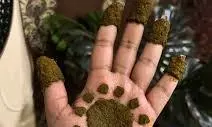
Visakhapatnam: In Telugu society, application of gorintaku (henna) during Ashada Masam is more than just a ritual; it is a celebration of womanhood, tradition and artistry. Women adorn their hands and feet with rich, reddish designs that symbolise prosperity, beauty and the festive spirit.
In Visakhapatnam, this custom has evolved from a personal ritual into a vibrant communal celebration, with application of gorintaku becoming a collective experience full of joy and togetherness.
T. Manormani, who hosted a Gorintaku event at her home, shared her experience with Deccan Chronicle: “This time, about 20 to 30 women came to my house to apply gorintaku. I cooked meals for them, offered “tambulam” and prepared the Gorintaku paste using henna plants grown in our garden. It was more than just decoration; my friends played traditional games, sang folk songs, and shared stories, which made my loneliness vanish. Sharing this happiness fills my heart with joy.”
Applying gorintaku, once a simple ritual, has now transformed into a testament of cultural resilience, creativity and community connection. Women have started gathering to rekindle memories of the past.
Macherla Aishwarya, a participant in one such event, stated, “In earlier times, we lived in large joint families where women would sit together, laugh and apply gorintaku. Today, nuclear families often leave only one or two women at home. Applying gorintaku is tedious under the circumstances. That is why we are reviving this Ashada Masam tradition, to restore its lost glory, celebrate togetherness and pass it on to future generations.”
The charm of these events lies in their inclusivity. Sridevi Pilla, who decorated her hands and feet with intricate patterns, emphasised, “I love gorintaku. When applied collectively like this, it feels like a festival. It isn’t bound by caste or religion; anyone can join. In my childhood, my grandmothers and aunts would lovingly decorate my palms. Now, sharing this moment with friends brings back the same warmth and joy.”
