Artificial Demand for Sugar in Wholesale, Retail Markets Causing Panic Among Consumers

Market pressure has also been aggravated by stockpiling by some traders during the festival season, according to industry observers.
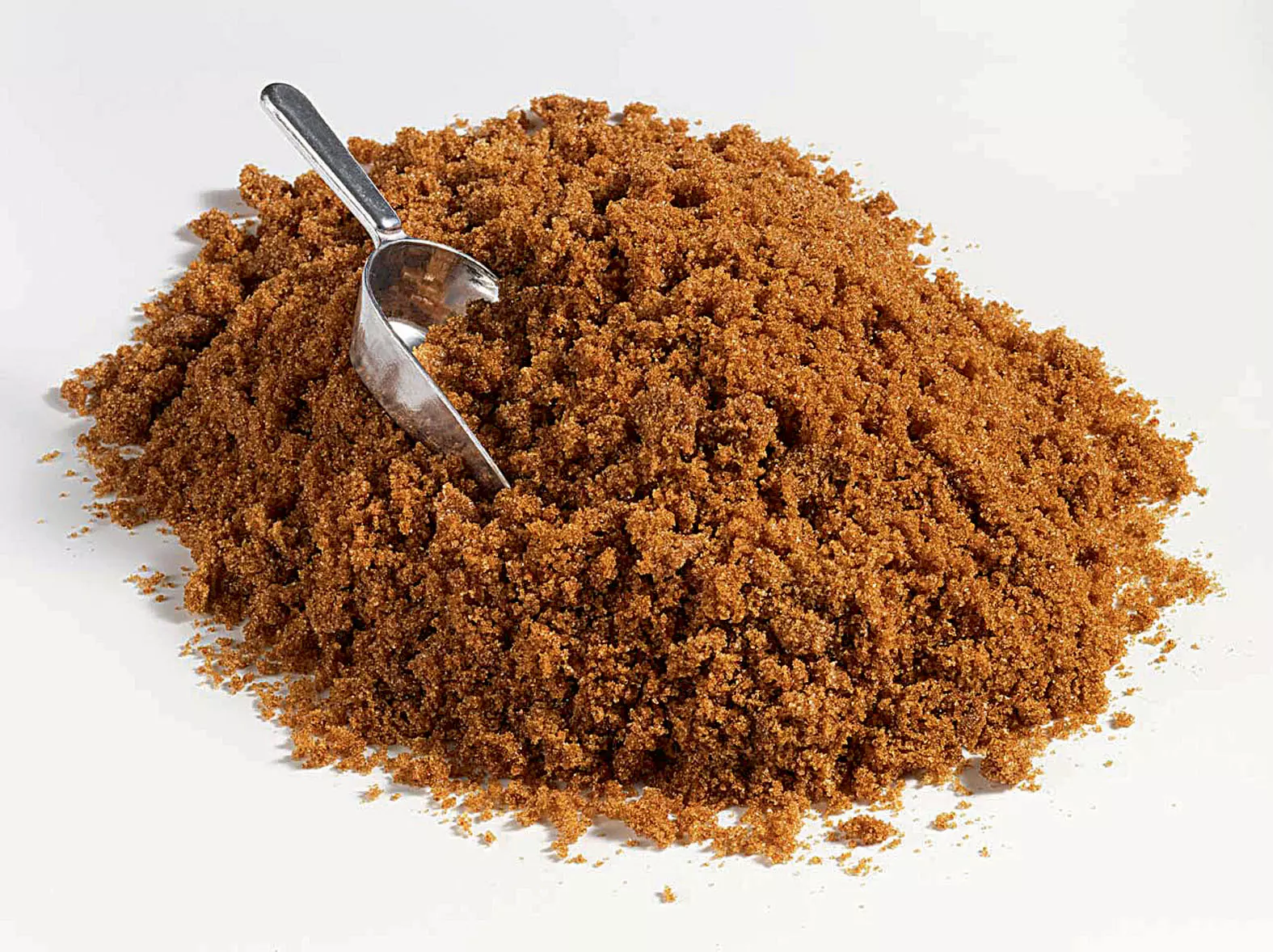
Anantapur:Artificial demand for sugar in both wholesale and retail markets is causing concern among consumers, with additional demand expected during the upcoming festival season.
Retailers are apprehensive that sugar prices could rise to 80 a kilo or more amid reports of a production shortfall. The El Nino effect, adverse climatic conditions, untimely heavy rainfall and top borer pest attacks have affected sugarcane production, reportedly resulting in a shortage of 37 lakh metric tonnes during the current season as per central government data.
Some traders are also allegedly creating artificial scarcity of sugar and jaggery ahead of the festival season and the holy month of Shravan. Jaggery is currently priced at Rs 60-80 a kilo depending on quality, while sugar is selling at around Rs 60 a kilo.
“We couldn’t get sugar as the wholesale traders are refusing to supply it at affordable prices and there’s no sugar stock at our shop,” said Ramana, a shopkeeper from Anantapur.
According to data from the all India distillers association, grain-based ethanol, produced mainly from maize and broken rice, accounts for nearly 85 per cent of the domestic ethanol supply mix in the 2025-26 ethanol supply year. Sugarcane-based ethanol is largely produced from molasses left after sugar extraction, limiting its direct impact on sugar availability.
The country’s sugar production was initially estimated at 343 lakh tonnes but is now expected to be around 306 lakh tonnes, resulting in a shortfall of nearly 37 lakh tonnes. Unseasonal rains and waterlogging in major sugar-producing states such as Maharashtra and Uttar Pradesh, along with diseases and pests including red rot and top borer, have affected cane yields.
Market pressure has also been aggravated by stockpiling by some traders during the festival season, according to industry observers.
The centre banned sugar exports from May 13, 2026, and extended the restriction until September 30. It also permitted the import of 10 lakh tonnes of raw sugar and removed the 100 per cent import duty on the quantity to bridge the supply gap, analyst K. Naryana said.
Ethanol blending remains a key component of India’s energy security strategy. Experts said addressing weather-related crop losses, strengthening market surveillance against hoarding and promoting climate-resilient sugarcane varieties would provide more sustainable solutions to sugar supply pressures.
Reports of rising sugar prices and shortages in the domestic market often lead to criticism of the government’s ethanol policy, with concerns that diversion of sugarcane for ethanol production is reducing sugar availability. However, the country’s ethanol feedstock mix and sugar production indicate that ethanol may not be the primary reason for the current supply pressure, analyst Naryana said.
