AP Seeks Collective Action To Deal With Super El Niño In Coming Months

Senior official points out that agricultural output and industrial productivity would take a hit: Reports
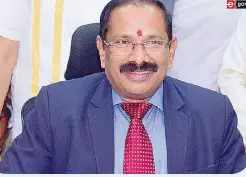
VIJAYAWADA: Andhra Pradesh government has called for collective action on energy and water conservation to mitigate the potential impact of Super El Niño on agriculture, industry, and the economy.
Special chief secretary (Energy) K. Vijayanand underlined the need to make conservation part of daily life, warning that agricultural output and industrial productivity would take a hit while extreme temperatures could increase electricity demand.
During an online interaction with Energy Efficiency Services Limited (EESL) CEO Akhilesh Kumar Dixit, Vijayanand said Chief Minister N. Chandrababu Naidu has initiated measures to prepare the state for extreme climatic conditions through coordinated departmental action, financial support, and steps to minimise inconvenience to families.
The special CS emphasised that Andhra Pradesh aims to develop 100 GW of clean energy capacity and attract green investments worth around ₹10 lakh crore. The state has signed agreements with EESL to promote energy efficiency. Its clean-cooking programme in Anganwadi centres and the Urjaveer initiative have been completed, while further initiatives are being pursued across industries, MSMEs, urban administration, rural development, and housing.
Vijayanand cited national energy-efficiency achievements, including annual savings exceeding 321 billion units of electricity, over ₹2 lakh crore in monetary savings, and a reduction of more than 320 million tonnes of carbon dioxide emissions.
Both the state government and EESL officials, including Akhilesh Kumar Dixit, acknowledged that extreme heat and El Niño conditions could place high demand on electricity and water. India's peak power demand had previously touched around 270 GW during intense heat. Andhra Pradesh recorded electricity demand of approximately 294 million units on September 9.
Dixit said energy efficiency could reduce emissions and costs, while improving productivity and energy security.
AP State Energy Conservation Mission CEO and managing director of APGENCO S. Naga Lakshmi said energy-efficient appliances could benefit consumers. Raising AC temperature settings by 1°C and maintaining a default setting of 24°C could help reduce electricity consumption.
