AP Records 320 Bird Species In GBBC 2026, Ranks 12th Nationally

In Visakhapatnam, observers recorded 134 species, reflecting the city’s unique combination of coastal wetlands and urban landscapes. Vizianagaram followed with 115 species, highlighting the importance of village tanks and rural wetlands in supporting water birds and migratory species
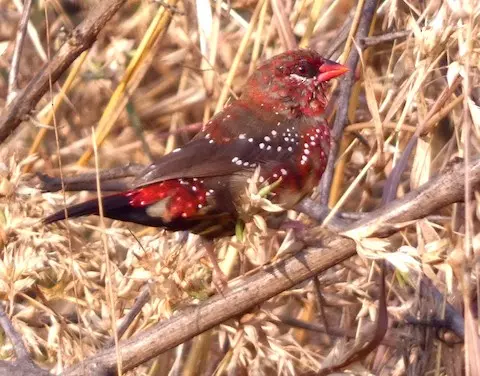
Visakhapatnam: The Great Backyard Bird Count (GBBC) 2026 from February 13 to February 16 has recorded 1,087 species in India, ranking it the second worldwide.
Birdwatchers from Andhra Pradesh contributed with an impressive tally of species, documenting 320 species through 1,223 checklists, positioning the state 12th nationally in terms of the diversity of species.
District-level participation showcased the ecological richness and variety of habitats in Andhra Pradesh. In Visakhapatnam, observers recorded 134 species, reflecting the city’s unique combination of coastal wetlands and urban landscapes.
Vizianagaram followed with 115 species, highlighting the importance of village tanks and rural wetlands in supporting water birds and migratory species. Thanks to its estuaries and rural landscapes, Srikakulam contributed 102 species, including pelicans, storks, and other migratory birds crucial to the Central Asian Flyway.
East Godavari reported 89 species, while West Godavari contributed 72; both districts highlighting the role of the Godavari River system in sustaining birdlife.
Participation in the GBBC 2026 had not been limited to experienced birdwatchers; schools and colleges also engaged in the Campus Bird Count, helping involve younger generations in conservation awareness.
For many students, spotting a purple sunbird in a schoolyard or painted storks in a nearby tank marked their first step toward environmental stewardship. The act of recording birds became a way to connect communities with their natural surroundings, fostering a sense of responsibility for ecosystems increasingly threatened by urbanisation and pollution.
Beyond the numbers, GBBC in Andhra Pradesh represents a growing movement of environmental care. By documenting birds in everyday spaces, participants provided valuable data that enhances conservation planning and offers early warnings of ecological decline.
Further, the initiative promoted a culture of awareness, reminding communities that wetlands and urban green spaces are not just habitats for birds, but essential lifelines for biodiversity and human well-being.
According to bird watchers, Andhra Pradesh's bird count in 2026 stands as a testament to the power of collective action, demonstrating that conservation begins at home, in backyards and local landscapes, which can expand into a global movement.
