AP Notifies Nation's First Integrated Pedestrian Safety Policy In India

The policy comes against the backdrop of India recording 1,72,890 road-accident deaths in 2023, including 35,221 pedestrian fatalities, accounting for 20.4 per cent of all road deaths: Reports
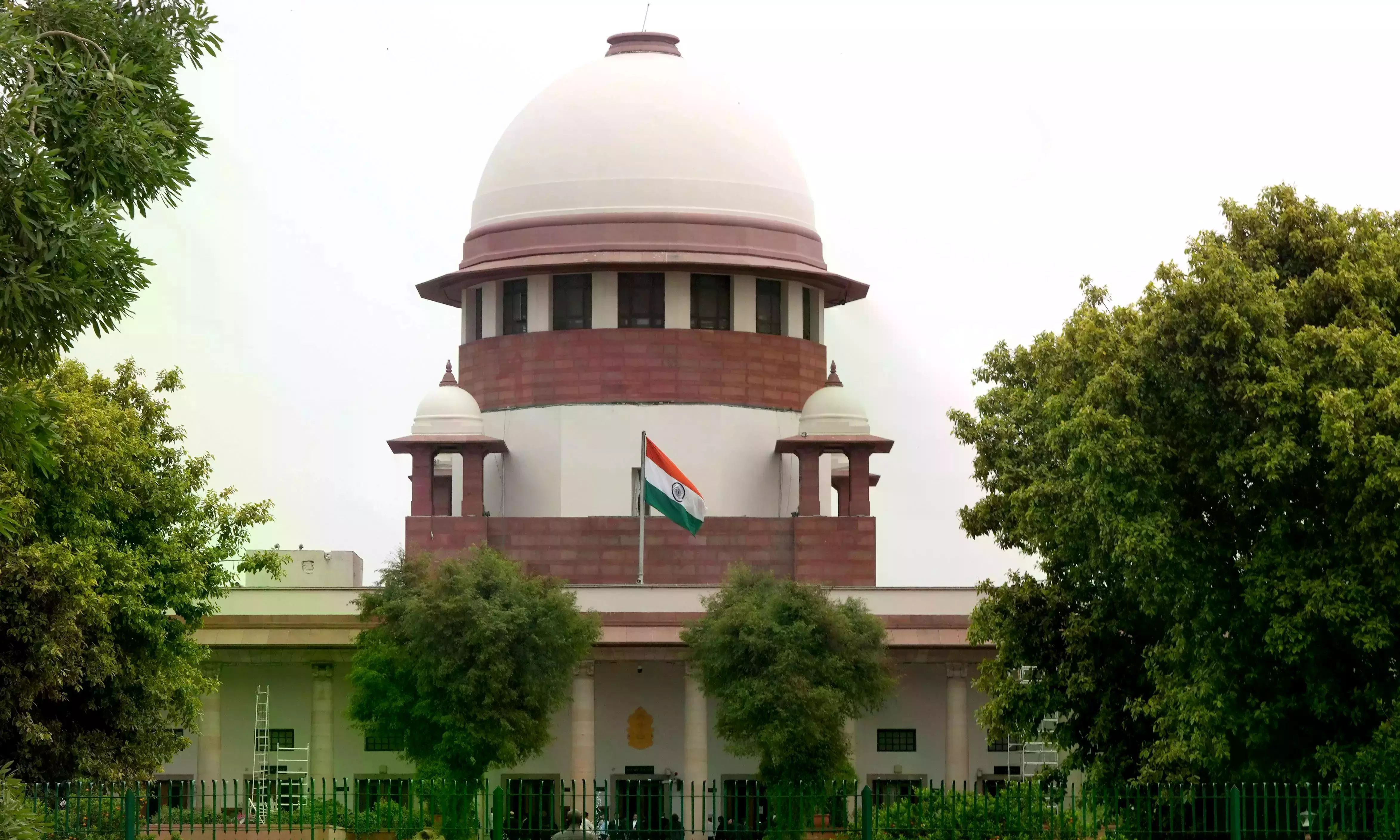
VIJAYAWADA: Andhra Pradesh on Friday notified an integrated Pedestrian Safety & Universal Accessibility Policy, 2026, making it the first state to bring pedestrian safety, universal accessibility, road-safety audits, statutory accountability and technology-enabled monitoring under a single enforceable framework.
The policy comes against the backdrop of India recording 1,72,890 road-accident deaths in 2023, including 35,221 pedestrian fatalities, accounting for 20.4 per cent of all road deaths.
The Cabinet has approved the policy, which also bringing together aspects like universal design, scientific road audits and circular-economy principles under the same framework.
Framed by the urban development department along with comprehensive operational guidelines, the policy seeks to shift road planning from a vehicle-centric approach to people-centric public spaces, with safety and dignity of pedestrians at its core.
The framework translates the Supreme Court’s directions in the S. Rajaseekaran vs Union of India, decided on October 7, 2025, into statewide implementation standards. It will cover urban local bodies, rural areas, peri-urban areas and satellite towns, besides applying to both new roads and retrofitting of existing networks.
Urban development minister Ponguru Narayana said roads should not be treated merely as corridors for motor vehicles but as public spaces serving children, senior citizens, women, persons with disabilities, public transport users and pedestrians with equal safety and dignity.
The policy rests on three pillars — comprehensive road-safety audits; infrastructure, universal accessibility and circular economy; and behavioural change and social participation.
The authorities have been directed to prioritise 15 to 20 locations where pedestrian deaths or injuries occurred in the past two to three years. Markets, railway stations, bus stands, religious institutions and educational establishments will also receive priority.
At least 20 per cent of roads are to be surveyed within a year to assess the need for additional pedestrian crossings.
The guidelines prescribe a minimum two-metre clear walking zone on footpaths, a maximum footpath height of 150mm and flush utility covers and drainage gratings. Kerb ramps, tactile indicators, Braille and high-contrast signage, universal pictograms and audible pedestrian signals have also been mandated.
Safe at-grade crossings will be preferred wherever feasible. Where foot overbridges or subways are unavoidable, lifts, lighting, CCTV surveillance, panic buttons and clearly marked entry and exit points will be provided.
The policy also strengthens accountability under Section 198-A of the Motor Vehicles Act, with designated authorities, contractors and consultants potentially facing fines of up to Rs 1 lakh if a failure to comply with prescribed standards results in death or disability.
Principal secretary Suresh Kumar said the objective is to ensure that the SC directions produced “visible and measurable” changes on the ground. GIS mapping, geo-tagging, drone surveys, digital inventories and dashboard monitoring will track interventions.
The policy also promotes the use of processed construction and demolition waste in specified pedestrian infrastructure, linking road safety with a circular economy.
