AP High Court Ruling Draws Focus on Traditional Agama Rules and Present-Day Mobility

The High Court, while reiterating traditional discipline, observed that priests who travel abroad may still participate in rituals conducted outside temple premises
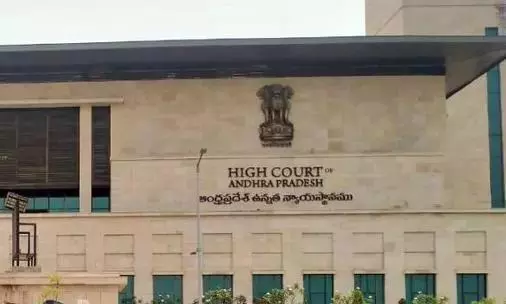
TIRUPATI: The recent direction of the Andhra Pradesh High Court restricting priests travelling abroad from performing rituals inside the temples’ sanctum sanctorum has revived discussions on the interplay between traditional Agama rules and present-day mobility.
The order indicates ancient stipulations continue to shape temple practices even as priests increasingly participate in religious events beyond India.
The High Court, while disposing of a petition, directed authorities to strictly enforce established Agama practices and existing guidelines governing temple rituals. It asked the Endowments department not to deviate from prescribed norms relating to priestly conduct and duties within the sanctum.
In temples governed by Agama traditions, particularly those following the Vaikhanasa system, ritual purity within the sanctum is linked to strict personal discipline, including food practices, daily observances, and no overseas travel. “Agama traditions generally view overseas travel as inconsistent with these requirements”, a senior priest explained.
Temple scholars point out that hereditary archakas are expected to observe practices such as Trikala Sandhyavandanam, adherence to Vedic routines, and maintenance of ritual purity in food and conduct. At the hill temple of Lord Venkateswara Swamy administered by the Tirumala Tirupati Devasthanams, these principles function within a hereditary priesthood structure.
Worship inside the sanctum sanctorum is carried out by members of four traditional families, Paidipally, Gollapalli, Peddinti and Tirupatamma, along with the lineage of Gopinathcharyulu, who follow the Vaikhanasa Agama tradition. “Duties rotate among eligible members of these families. Only those adhering to prescribed discipline perform puja inside the sanctum,” a temple priest pointed out.
He disclosed that the system allows continuity of these families even when some of their members travel abroad. “If any priest from these families goes overseas, he will not be reassigned sanctum duties. Other qualified archakas from the hereditary lineages take up the priest’s responsibilities to ensure rituals continue without deviation,” he clarified.
TTD officials clarify that religious programmes conducted abroad are handled separately. “For Srinivasa Kalyanam and other events held overseas, Vedic scholars from Dharmagiri and priests engaged on contract are deputed. Archakas performing daily worship in Tirumala are not usually sent abroad,” a senior official said.
The High Court, while reiterating traditional discipline, observed that priests who travel abroad may still participate in rituals conducted outside temple premises. The distinction, sources said, reflects an effort to balance Agama-based norms with contemporary realities. “The hereditary system ensures that tradition is maintained, while allowing outreach programmes to continue”, a priest explained.
