AP Government To Reserve Rayalaseema Reservoirs for Drinking Water Purposes

El Niño-hit inflows raise concerns over water availability across drought-prone Rayalaseema
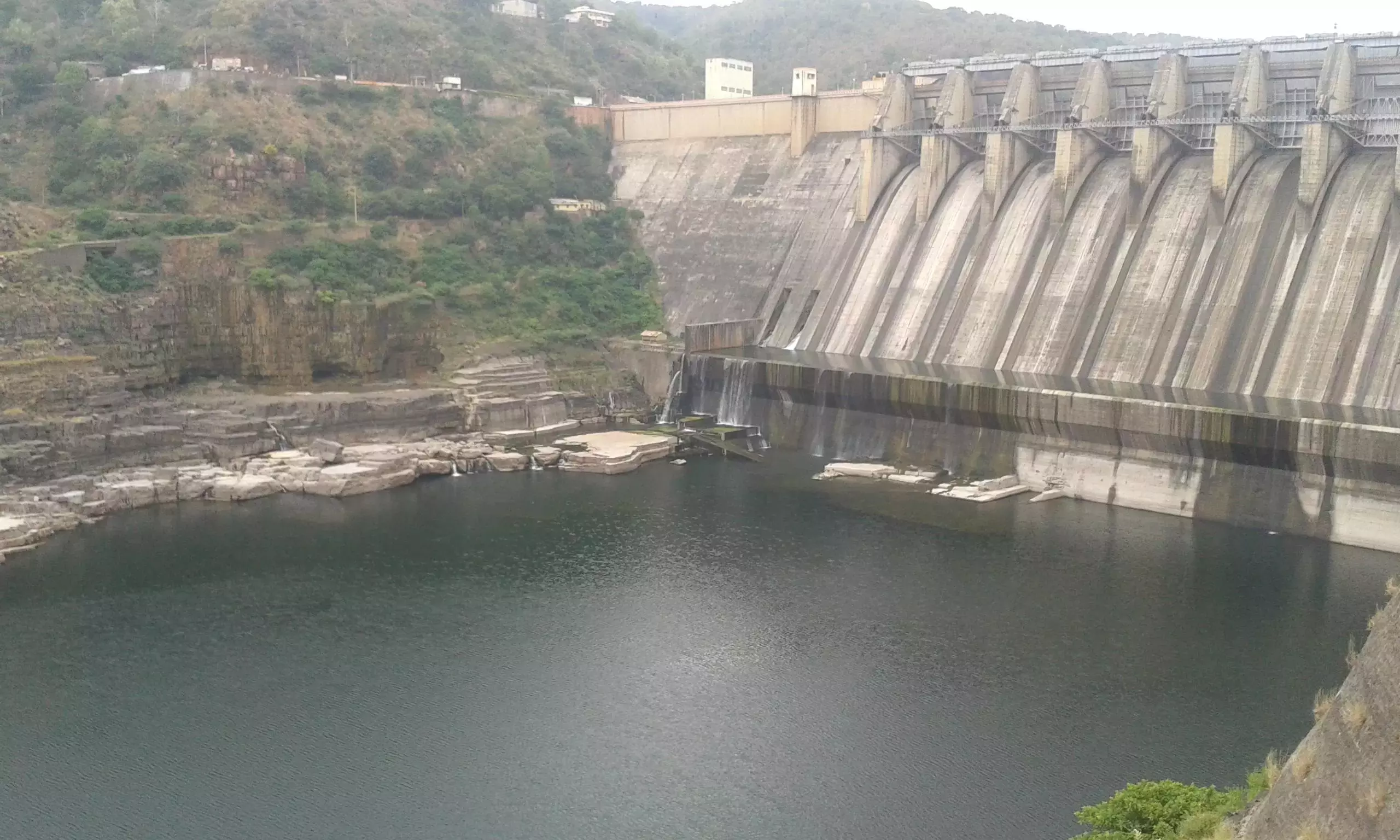
Anantapur: With El Niño conditions bringing in rainfall deficit and affecting reservoir inflows, Andhra Pradesh government has decided to prioritise use of Tungabhadra (TB) and Handri Neeva Sujala Sravanti (HNSS) reservoir water for drinking purposes, instead of irrigation.
Tungabhadra Dam, a key water source under the Krishna basin, has been allocated about 20 TMC feet of water by the Tungabhadra Board following poor rainfall in the catchment areas of Western Ghats.
Water Resources officials are concerned over the reduced inflows into the Srisailam reservoir, which receives water from the Krishna River through the Almatti project in Karnataka. HNSS project, which draws water from the Srisailam backwaters, is expected to receive lower allocations this season. The HNSS project lifted about 50 TMC feet last year.
The Chitravathi Balancing Reservoir in the Pennar basin has poor storage levels, raising concerns over drinking water availability in parts of Kadapa district.
Rayalaseema essentially depends on Tungabhadra Dam and the HNSS project to meet drinking water and irrigation needs in parts of Nandyal, Kurnool, Anantapur, Sri Sathya Sai, and Chittoor districts up to Kuppam. Kurnool city depends on KC Canal for drinking water, with supplies supplemented through annual allocations from the Tungabhadra High Level Canal.
Anantapur city, Hindupur municipality and several other towns and villages rely on the Penna Ahobilam Balancing Reservoir (PABR) at Kudair for drinking water. Kalyandurg, Madakasira, Hindupur, Rayadurg, and Anantapur city receive water from PABR through pipelines.
However, El Nino has severely affected rains and inflows into all these reservoirs that cater to Rayalaseema. Groundwater levels have also depleted in the entire region
As a result, Finance Minister Payyavula Kesav has directed officials of the Tungabhadra HLC and HNSS projects to closely monitor the situation. He wanted officials to prepare contingency plans to mitigate the impact of water shortage. This includes reserving the Tungabhadra HLC and HNSS waters only for drinking purposes.
The minister instructed officials to first fill all drinking water and summer storage tanks within 25–30 days of the release of water into the HLC system. Advance arrangements, including installation of high-capacity motors and additional transformers, must be made to expedite pumping operations.
In view of the sharp depletion of groundwater levels, Kesav directed Rural Water Supply engineers to assess the water table and drill new borewells wherever necessary to ensure drinking water supply throughout the year.
