Govt pushes “reform, safety and anti-faction agenda”
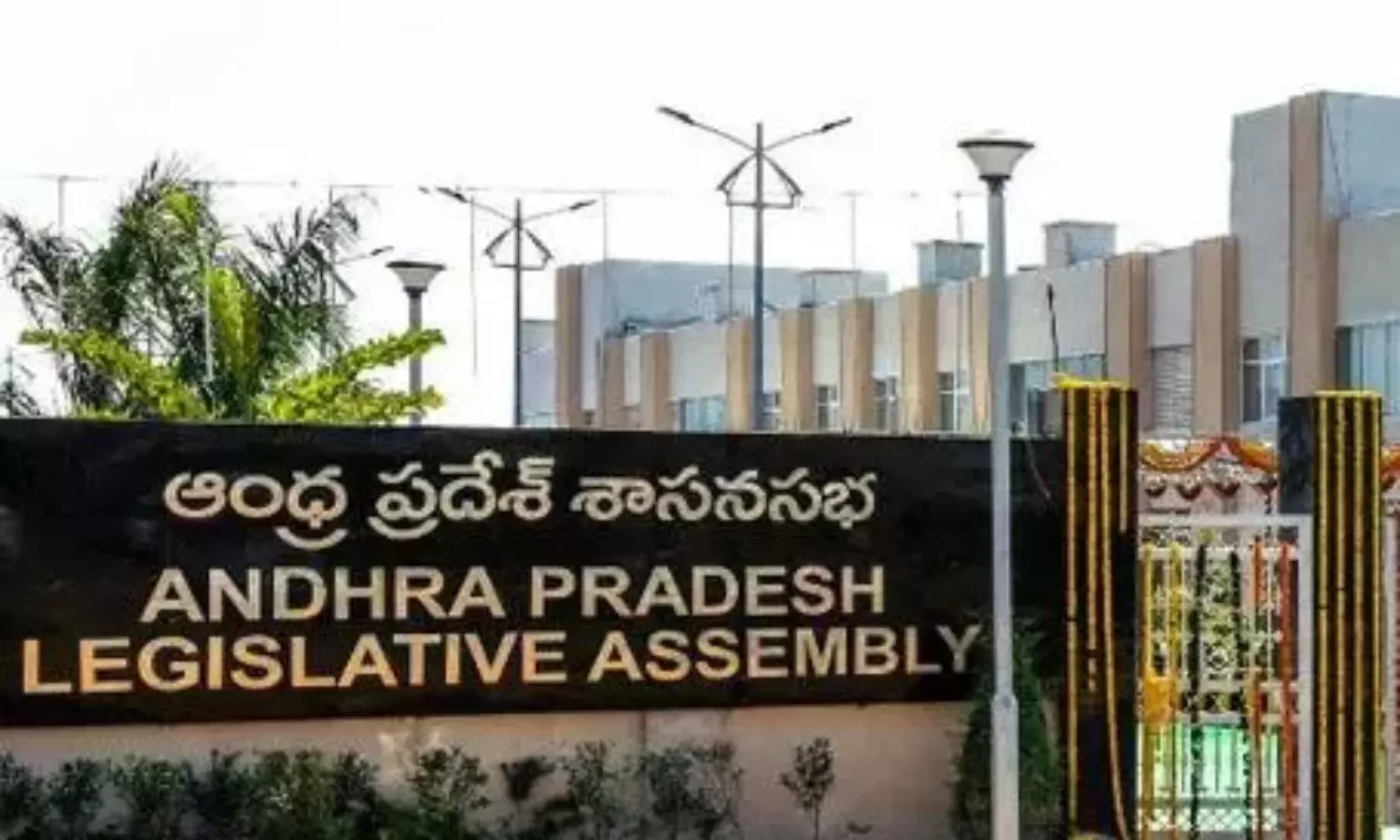
VIJAYAWADA: In a significant legislative push, the Andhra Pradesh Assembly on Wednesday passed three major bills aimed at curbing factional violence, tightening fire safety norms and decriminalising minor offences, underscoring the government’s focus on justice, public safety and regulatory reform.
Education minister N. Lokesh reintroduced the AP Public Service Appointments (amendment) Bill and asserted that “putting a full stop to faction politics must be our collective resolve.” The legislation seeks to provide government employment to a member of families affected by faction-related killings.
The immediate trigger was the brutal murder of BC leader Thota Chandrayya in Palnadu on January 12, 2022.
Recalling the incident, Lokesh said Chandrayya was hacked to death in broad daylight as he refused to renounce his political allegiance. “He reportedly declared that he would rather die than give up the yellow flag. For raising slogans of ‘Jai Chandrababu’ and ‘Jai Telugu Desam’, he was killed with extreme brutality.”
The minister noted that the bill had been passed in September 2025 but was stalled in the Legislative Council. “We made it clear we would pass it again as per rules. No one can stop this. This is not charity but responsibility,” he asserted, urging unanimous support. The House nodded in approval.
Sharply denouncing factional violence, the minister alleged that 164 Telugu Desam workers were killed in the first two years after Y.S. Rajasekhar Reddy became chief minister in 2004. These happened largely in undivided Anantapur. He recalled that Chandrababu Naidu, after assuming office in 1995, had declared a war on factionism and Naxalism and later established the NTR Model School in Hyderabad to educate and counsel children of faction victims.
In another major development, the Assembly passed amendments to the Disaster Management Act introduced by home minister Vangalapudi Anitha, to strengthen fire safety enforcement amid rapid urbanisation.
Anitha said permissions for building construction would now be granted within 21 to 30 days, subject to strict adherence to updated national guidelines. Fire-related No Objection Certificates have been made mandatory for commercial, industrial and residential buildings. Penalties for non-compliance have been substantially enhanced, and the authorities have been empowered to seal premises that violate fire safety norms.
Multi-storeyed structures must provide designated emergency exits, install modern firefighting systems and deploy trained personnel. Continuous training programmes would be conducted to improve rescue preparedness. The amendment bill was passed unanimously.
The House also cleared the Jan Vishwas (amendment) Bill, introduced by minister N.M.D. Farooq, which is aimed at decriminalising minor procedural violations and reducing unnecessary litigation.
Farooq said small lapses often forced citizens and businesspersons into prolonged legal battles. The amendment replaces remand and imprisonment in certain minor offences with monetary penalties, enabling quicker resolution. The changes apply to laws under departments such as municipal administration, layout regulations, excise and fire services, with business-related violations attracting substantial fines instead of jail terms.

