40 Parking Lots, QR Codes To Ease Dasara Traffic In Vijayawada

The arrangements are aimed at preventing traffic congestion, ensuring the smooth movement of vehicles and facilitating convenient access to the temple during the festival.
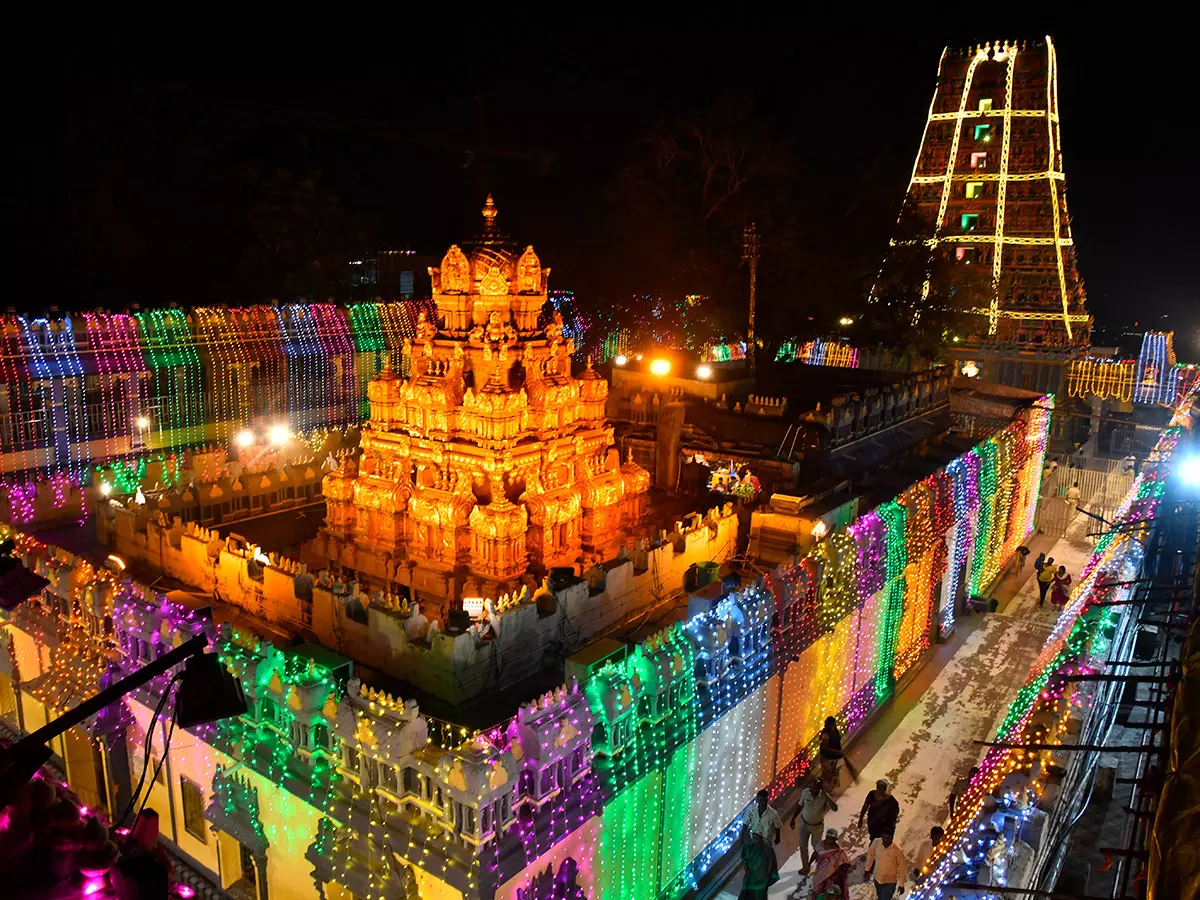
Vijayawada:The Vijayawada police have drawn up an elaborate traffic regulation and parking plan for the 2026 Dasara festivities at the Kanaka Durga temple, with 40 designated parking lots, QR-code-based vehicle management and alternative routes to regulate the expected rush of devotees.
The arrangements are aimed at preventing traffic congestion, ensuring the smooth movement of vehicles and facilitating convenient access to the temple during the festival. The police have identified parking locations across Vijayawada and its surrounding areas, assigning specific parking lot numbers to different approach routes.
The designated parking areas cover several localities, including the Vijayawada city outskirts, the Krishna Lanka and Ibrahimpatnam stretches, Gollapudi, Bhavanipuram, the bus station vicinity and areas around the Kanaka Durga flyover. Basava Punnaiah Stadium has also been earmarked as a parking location.
The police will deploy three technology-based measures to improve parking management and traffic regulation. QR codes will be used to guide motorists to designated parking lots. The ASTraM Citizen application will provide information on live parking occupancy, helping visitors identify available spaces. Automatic Number Plate Recognition (ANPR) technology will be used to monitor vehicles entering the 40 parking lots.
The police have also prepared alternative traffic routes for vehicles approaching from different directions, including Guntur, Eluru, Hyderabad and Machilipatnam. The diversions are intended to distribute traffic across multiple routes and prevent bottlenecks on roads leading to the temple.
Devotees have been advised to park their vehicles only in designated areas and follow the prescribed traffic diversions. Motorists should cooperate with traffic personnel and use QR codes and the ASTraM Citizen application to identify suitable parking spaces.
The arrangements also include provisions for regulating the movement of buses, private vehicles and other transport entering the city and proceeding towards the temple.
