DC Edit | India, Indonesia Enter New Era To Serve Mutual Aims

Defence deals and wider cooperation signal a stronger Indo-Pacific partnership.
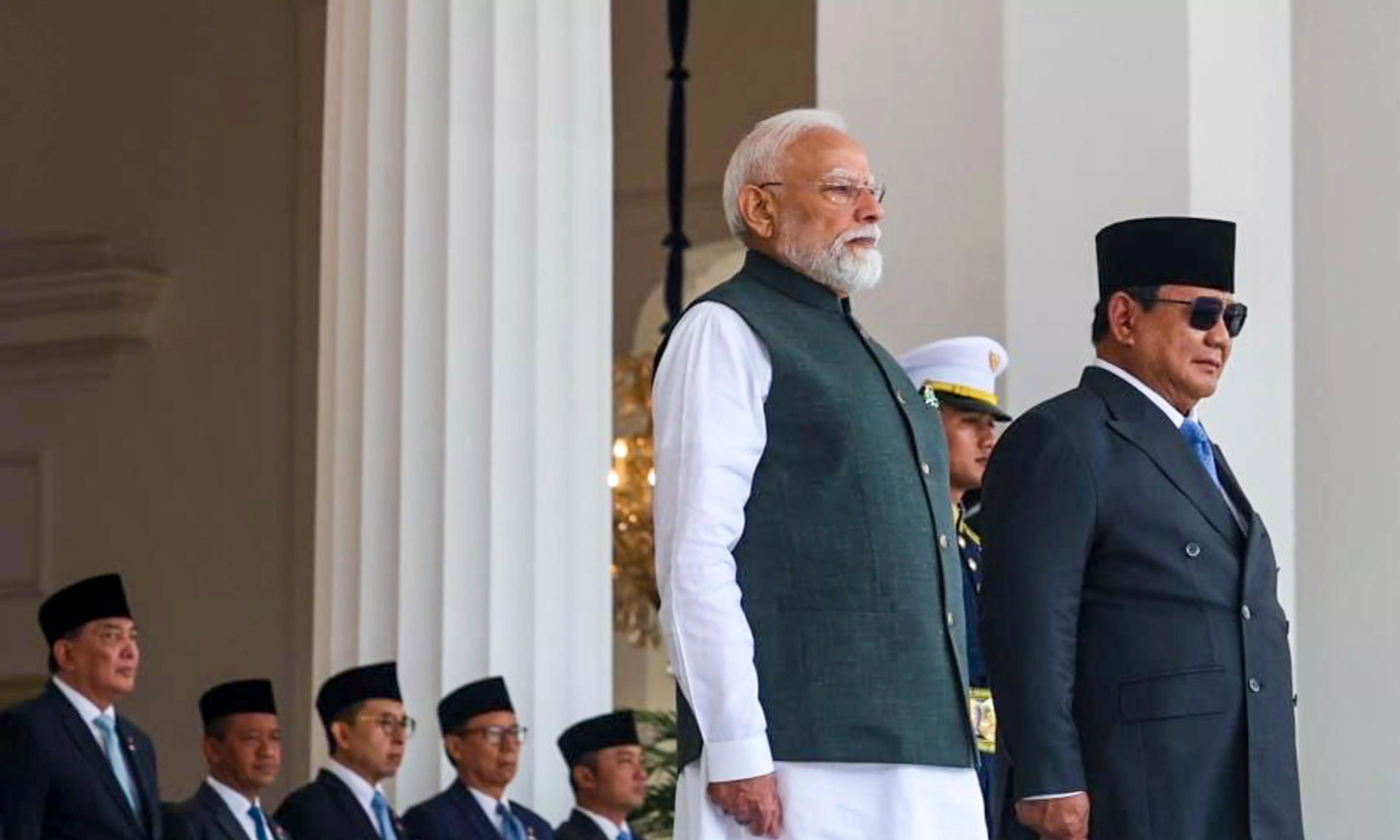
India’s relationship with Indonesia, a long-standing regional one defined by proximity that may have had its ups and downs over the years before hitting a steady and pragmatic median in more modern times, may be about to enter a whole new era. With Indonesia soon to acquire the BrahMos supersonic cruise missiles and Astra air-to-air missiles, ties are set to hit new levels which may not have been envisaged when the friendships first grew in the Jawaharlal Nehru, Biju Patnaik and Sukarno era.
Given the fact that 14 major agreements have been signed to cover an array of fields, ranging from defence through traditional trade lines that may likely expand quickly in these geopolitically uncertain times, technology, healthcare and education, it is not just the fact that Indonesia is to be a buyer of India’s advanced missiles which proved their performance in combat situations that presages a new era of greater cooperation for mutual benefit.
While the purchase of missiles may help define India as a reliable defence partner, the commonality of interests in a free Indo-Pacific in which all nations must have the right of passage without being bossed over by the aggressive intentions of a power with territorial ambitions in the area underlines the strategic trust that Indonesia is placing in India as a major regional power which would like to believe it has earned the right to be considered a leading voice of the Global South.
Given the current scene in the time of the Iran war following the US’s moves in attempting to restrict trade by raising tariffs on all nations, it is important that those not at the receiving end of any American benevolence must lean on each other more for goods and services as well as strategic cooperation. This is reflected in the two countries expanding their maritime security partnership with free sharing of information and data in real time between the respective coast guards, besides India’s offer to help develop the Sabang port which is to be logistically linked with the port in Great Nicobar.
The other major area of concern after the tinkering of tariffs and adjustments in the terms of strategic partnerships by the US has been China severely restricting or choking off the supply of critical minerals. Agreements that cover minerals, mining investments and the manufacture of steel suggest that both nations are aware of what could become crucial in the field of minerals and materials that are likely to get even more critical in the future. India’s expertise in electronic voting machines has also been validated by Indonesia’s intention to import them for their national elections.
What happened beyond the regular contours of diplomacy as seen in the pleasant exchanges between Indonesian President Prabowo Subianto and Mr Modi, is what lent more significance to this visit by the Prime Minister. The warmth of the reception was such that it underlined the fact this could be a defining moment for the future. In recalling the roles of his predecessor and India’s first Prime Minister Nehru in building ties with Indonesia, Mr. Modi was only acknowledging history in a relationship that has endured.