DC Edit | Use Tech, Stop Tunnel Disasters

According to the National Hydroelectric Power Corporation, the collapse followed a sudden explosion caused by suspected methane gas trapped within the rock. If methane, a naturally occurring gas found in certain geological formations, mixes with air in the right proportion, it can ignite when exposed to a spark from machinery, electrical equipment or even friction
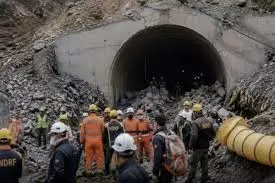
The tragic tunnel collapse at the Teesta Stage VI Hydroelectric Project in Sikkim, killing 20 workers, is a grim reminder of the risks associated with underground tunnelling. It highlights the need to rethink how such projects are executed in the 21st century, when battles are fought through unmanned aerial vehicles thousands of kilometres away, surgeons perform robotic operations and driverless vehicles navigate busy city streets.
According to the National Hydroelectric Power Corporation, the collapse followed a sudden explosion caused by suspected methane gas trapped within the rock. If methane, a naturally occurring gas found in certain geological formations, mixes with air in the right proportion, it can ignite when exposed to a spark from machinery, electrical equipment or even friction.
The blast generates a shock wave, dense smoke and toxic gases such as carbon monoxide that rapidly displace oxygen, suffocating people to death. Underground danger does not end with the blast; invisible gases, unstable rock formations and restricted access make every rescue attempt a race against time.
Tunnelling has always been among the most hazardous engineering professions. Workers operate in confined spaces, which offer few escape routes. Yet, no advanced technology appears to have been introduced to reduce human involvement.
The answer lies not in technological limitations but in uneven adoption. Modern tunnelling technology allows the introduction of remotely operated drilling rigs, robotic inspection vehicles, laser and ground-penetrating radar mapping, real-time methane and toxic gas monitoring, and automated ventilation systems, which considerably reduce human exposure during the most dangerous phases of excavation.
However, higher capital costs deter companies from introducing such technology. This brings us to another question: Are the lives of some human beings so cheap? The country needs to build infrastructure, expectedly at an affordable cost. But at whose cost? And the worst part is that those who die for building the country remain unnoticed and unremembered.
