The best parallel India can have is China, again a populous country, which has revolutionised urban infrastructure as its economy progressed. Studies say the number of cities in China has increased from 193 to 650 between 1978 and 2015, a growth of over three-fold
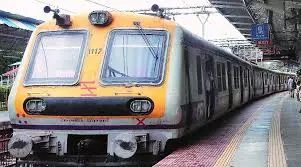
The tragedy of four people, most of them youngsters, falling to their death from a suburban train in Mumbai on Monday is a stark reminder of the inadequate urban infrastructure people have to live with despite the Indian government boasting about the so-called demographic dividend India is said to be reaping.
The Mumbai suburban train service is a miracle in itself: It operates about 2,500 services and carries more than 7.5 million commuters every day on a network spread over 450 kilometres. Reports suggest that seven passengers lose their lives daily on the network. It is time the authorities seriously looked at improving the safety mechanism in the network.
But that alone is not enough. The population of India almost doubles every 32 years, according to studies, but the country has hardly seen facilities, including transport infrastructure, keeping pace with it. After the Delhi Metro that was commissioned two decades ago, and the launch of limited Metro rail services in some major cities, no planned development has happened in the country to make denizens’ life easier.
The best parallel India can have is China, again a populous country, which has revolutionised urban infrastructure as its economy progressed. Studies say the number of cities in China has increased from 193 to 650 between 1978 and 2015, a growth of over three-fold. India, on the other hand, saw no development of new cities except those which had an organic growth. The NDA government had talked of 100 smart cities across India when it came to power in 2014 but the project has made no substantial progress.
India has been investing in road infrastructure in a planned mode for the last three decades, starting with the Golden Quadrilateral project way back in the late 1990s. This has offered connectivity between cities and given rural areas an access to the national network. It is time the government noticed the massive requirement of urban infrastructure as it aims to see India as a developed country by 2047.

