DC Edit | Transgender Bill Raises Too Many Questions

Critics oppose removal of self-identification, seek review
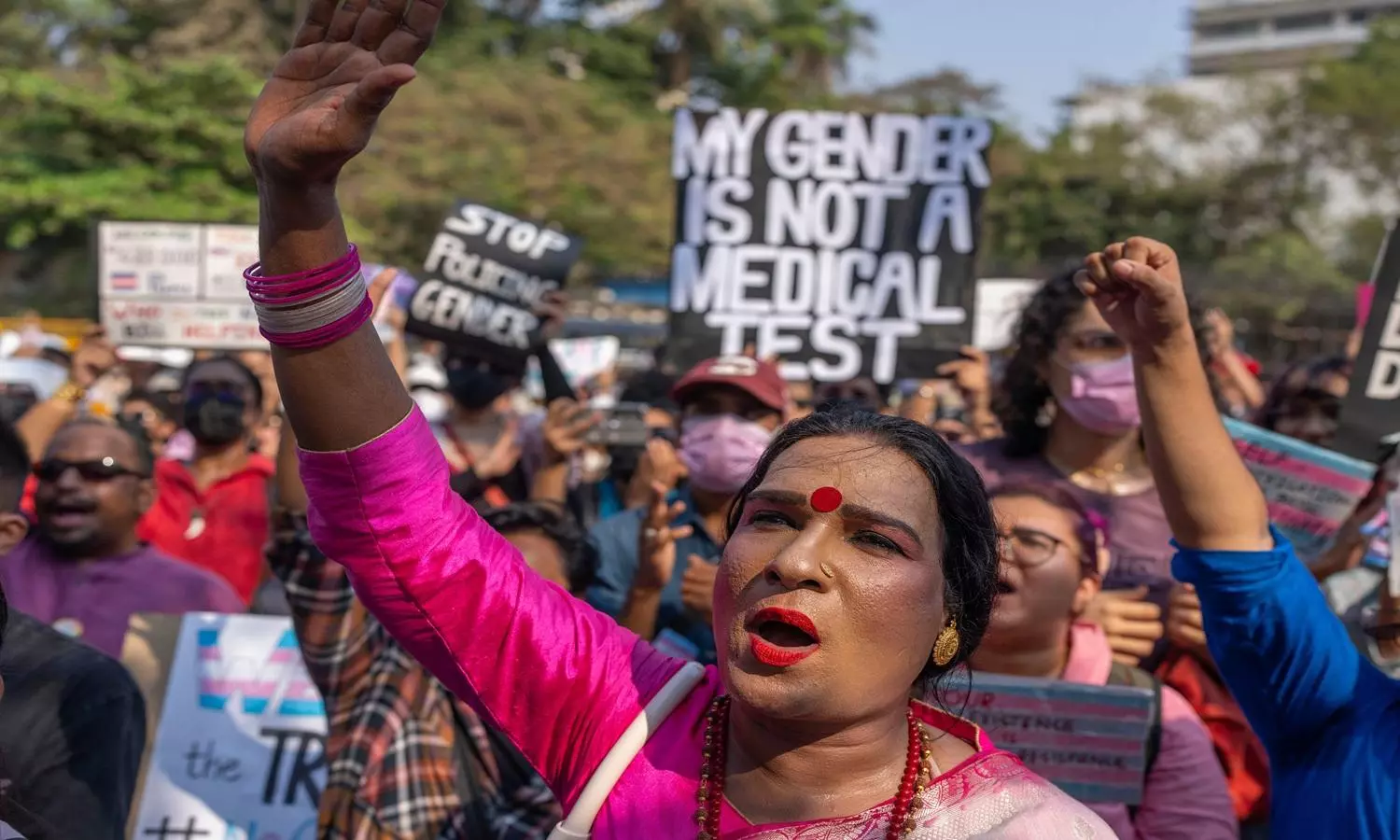
The passage of the Transgender Persons (Protection of Rights) Amendment Bill, 2026, has triggered some questions that are much more fundamental than those it seeks to answer. The criticism of the bill is so widespread and meaty that the government may do well to revisit it.
The welcome part of the bill is that it brings clarity to certain terms which have remained fluid all these times. It defines who is a transgender, and provides for an identification card certified by the district collector. The government argues that the changes the bill has introduced would work as a barrier in the misuse of provisions meant for transgender persons and protect their access to benefits. BJP leaders claim that such checks are needed as even non-transgender persons claim to be so, and snatch away the rights and opportunities of the real transgenders.
There is mixed response to the penal provisions in the bill. While the retention of the penalties for offences such as denial of access to public spaces, eviction and abuse is welcome, the provision for much higher sentences for kidnapping or abducting a person and causing grievous harm to compel a transgender identity, forcing people to present themselves as transgender and pushing them into begging, servitude, or bonded labour are seen as too harsh. It will be handy for the police to harass people in the hijra community, critics argue.
The sharpest criticism against the bill is that it scraps the right to self-perceived gender identity, a feature of the judgment of the Supreme Court in the NALSA case of 2014, and internationally recognised patterns and practices.
As per the bill, instead of self-certification, the gender of a transgender person will be certified by the district collector based on a report by the district medical officer. This essentially means that the self-identification process will be replaced by an intrusive personal examination and a bureaucratic certification.
The provision in the bill for a medical officer to certify the gender of a person fortifies the wrong notion in society that being transgender is a medical condition. It is not a disease that needs to be diagnosed and treated, say critics, who hold that a person's identity should be an individual choice and it is not for the doctors or the government to decide through a process which compromises the person’s dignity.
The Opposition has cried foul about the passage of the bill, saying it undermines the fundamental rights and dignity of a community which is traditionally under duress. An advisory committee appointed by the Supreme Court and headed by a former judge of the Delhi High Court has asked the Union government to withdraw the bill as the provision to deny “self-identification” of gender goes against the Supreme Court judgment in the issue.
A perusal of the bill will convince one that it, instead of liberalising societal notions about transgender persons and expanding their rights, has chosen to limit them, which may satisfy the demands of the conservative sections of society but does a disservice to one of the most vulnerable sections of human population. The government may put the bill in abeyance for now and go back to Parliament with a better, more humane version of it later.
