The present approach — prescribing what kind of crackers may be used and restricting their use to specified hours — therefore offers a more workable path. The government’s proposal to permit joint firecrackers containing lower amounts of barium allows regulation to evolve with scientific evidence rather than treating every firecracker alike
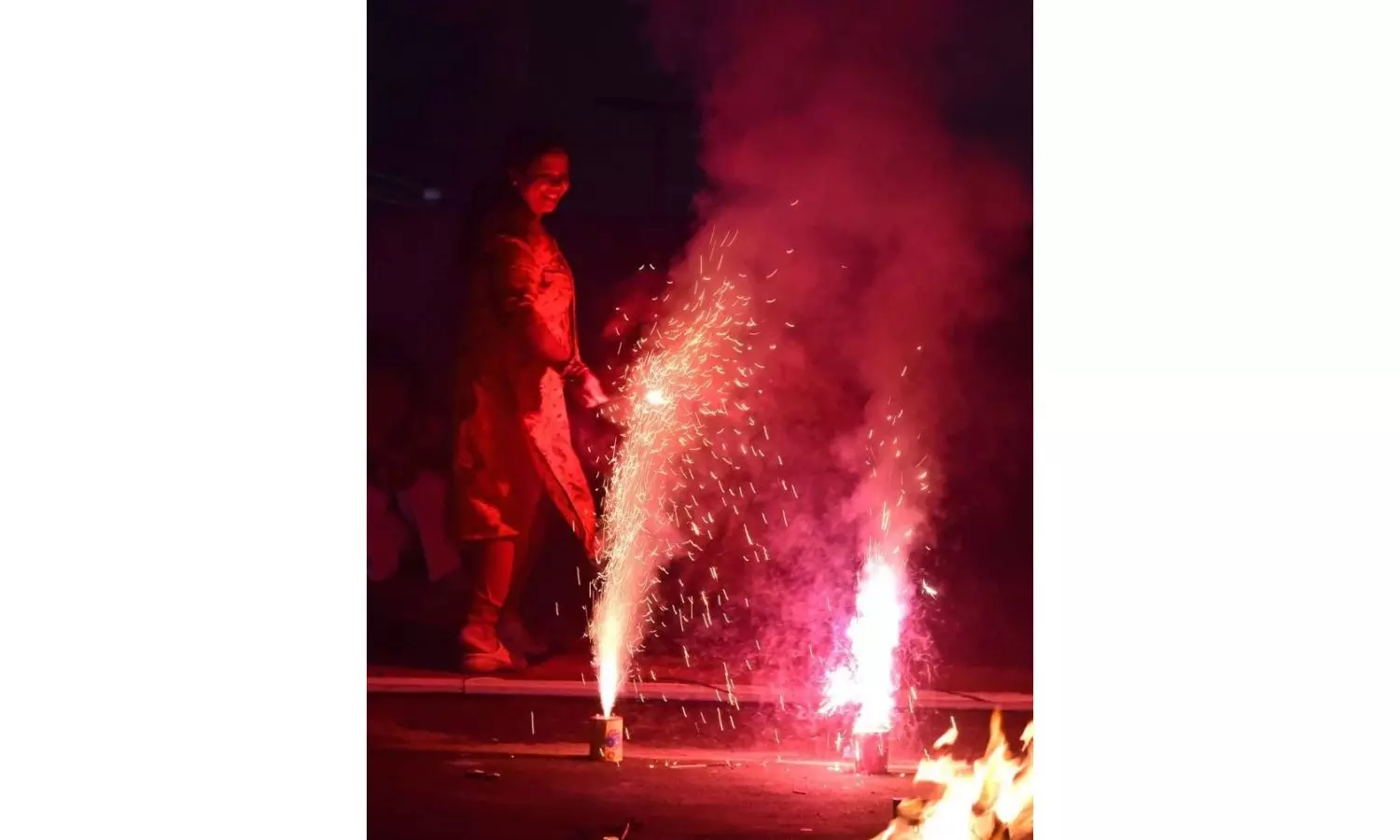
The Supreme Court has struck a pragmatic balance in dealing with the contentious question of firecrackers. Its observation that neither a total ban nor unrestricted bursting of crackers throughout the day is desirable recognises both the environmental consequences of fireworks and the practical difficulties involved in regulating a practice that crores of people have come to associate with Diwali.
Firecrackers aggravate air and noise pollution and impose costs particularly on children, senior citizens, people with respiratory ailments and animals. Therefore, the argument against their indiscriminate use is compelling. However, the regulation must also pass the test of enforceability. A ban that cannot realistically be implemented risks diminishing respect for both environmental regulation and also the authority of the court. Previously, the Supreme Court’s prohibition on firecrackers was violated at many places in Delhi.
The present approach — prescribing what kind of crackers may be used and restricting their use to specified hours — therefore offers a more workable path. The government’s proposal to permit joint firecrackers containing lower amounts of barium allows regulation to evolve with scientific evidence rather than treating every firecracker alike.
Though the argument of environmentalists is sound, they must realise that courts cannot resolve cultural and religious issues, especially in a country like India, where religious hurt led to the First War of Independence in 1857.
Bursting firecrackers has become deeply embedded in the popular celebration of Deepavali, though widespread use of firecrackers by people started after the British amended the Indian Explosive Rules in 1940. Such cultural practices cannot simply be erased by judicial fiat. Lasting change must come from society itself.
Environmentalists must, therefore, move beyond litigation and engage religious leaders, spiritual organisations and influential cultural figures. They should convince them to disassociate modern firecrackers with the religious customs of Diwali. The objective should not be to diminish Diwali but to separate its enduring religious and cultural significance from practices that impose avoidable costs on others.

