DC Edit | Remote Protest Sites To Throttle Dissent

Jantar Mantar, situated close to Parliament and the corridors of power, forced the powerful to confront the anger of the people
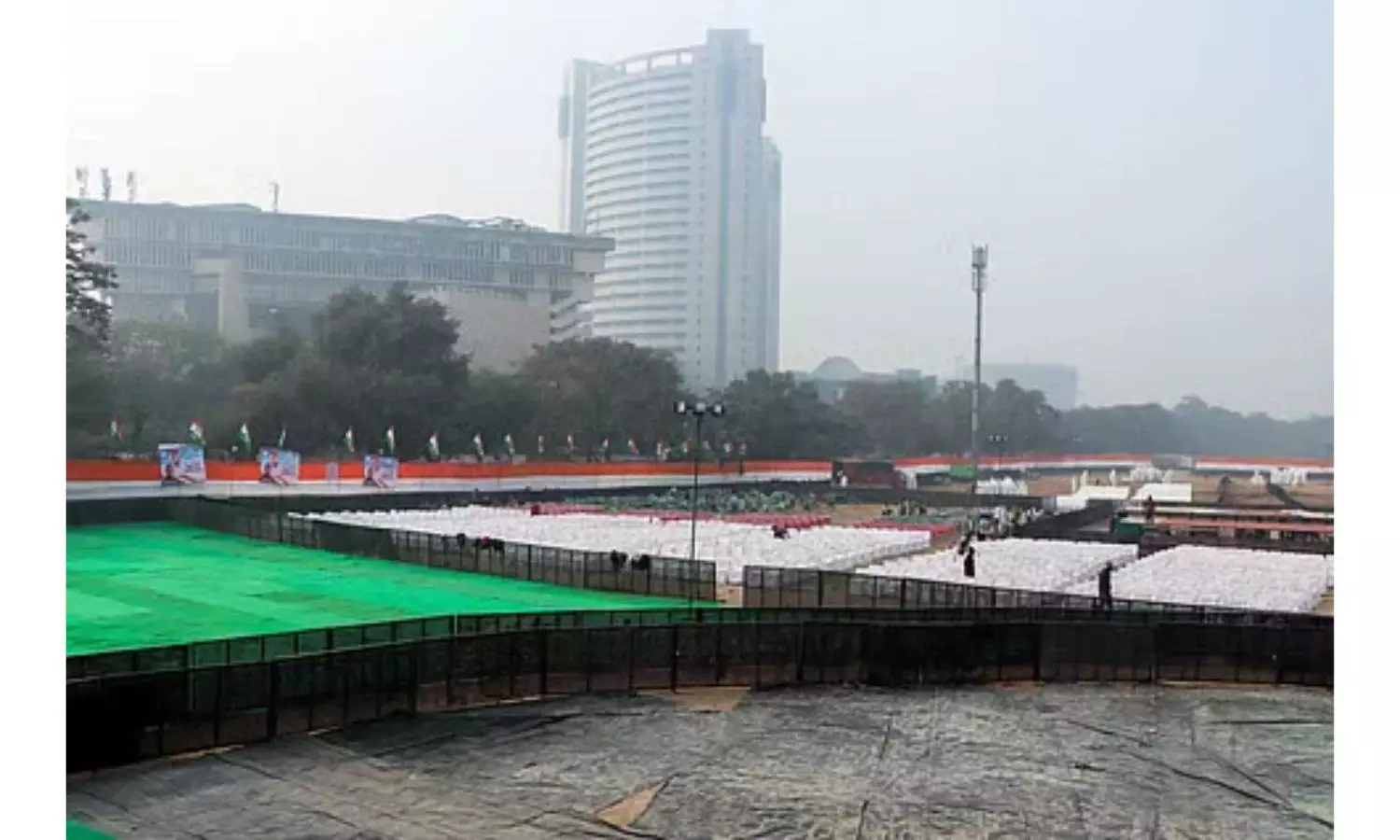
A ruler who fears criticism has already begun to fear his people. In the national capital, the theatre of dissent is being dismantled. Not by banning protests, but by making them increasingly invisible. The government’s decision to denotify Jantar Mantar as a protest site and replace it with three alternative locations, including Ramlila Maidan, is not merely an administrative reshuffle, but a calculated attempt to shrink the public space available for dissent. It’s a tactical move to push the protesters virtually out of sight and make inconvenient voices harder to see and hear.
For decades, Jantar Mantar has been the epicentre of symbolic resistance. A democratic battleground, where students, farmers, women, civil society groups and political opponents took their grievances to the streets. It was here that the unheard found a voice, the aggrieved found an audience. Jantar Mantar, situated close to Parliament and the corridors of power, forced the powerful to confront the anger of the people.
Jantar Mantar's significance lay not merely in its location but also in its visibility. All was well till July 20 police crackdown on students demanding former education minister Dharmendra Pradhan’s resignation over irregularities in Neet examination papers. This was the turning point. The government had badly miscalculated, underestimating the force of dissent and fallout of its heavy-handed response. For the first time in 12 years, the government had to bow before the anger of people. The agitation culminated in Mr Pradhan's ouster.
When turning New Delhi into a fortress and arresting or detaining nearly 7,000 protesters on October 10 failed to quell agitation demanding CEC Gyanesh Kumar's resignation over alleged irregularities in the conduct of the SIR, the government, increasingly exasperated by waves of protests against its policies and politics, brought the hammer down on Jantar Mantar.
The move to relocate the protest sites to far-flung areas like Burari and East Delhi and a busy Ramlila Ground is being viewed as a clear attempt to dilute the visibility of the protesters, fragment the collective energy of agitation and insulate the ruling class from the daily spectacle of public anger.
