DC Edit | RBI cautious amid uncertainties

These measures are expected to provide additional liquidity in anticipation of tight financial conditions towards the end of the fiscal year
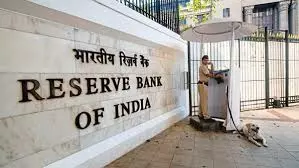
The Reserve Bank of India’s announcement to inject nearly Rs 1.9 lakh crore cash into the banking system in March, in addition to Rs 1.7 lakh crores that it infused in February as part of its liquidity-enhancing measures, reflects its concerns about global economic uncertainties.
By the end of every financial year, the economy witnesses a liquidity crunch in view of the advance payment of taxes by companies and banks racing to meet their annual lending targets. While the RBI injected Rs 1.9 lakh crores through open market options and forex swaps last March, too, this year’s infusion appears extraordinary as it has come merely a month after it injected Rs 1.7 lakh crores in view of tighter liquidity in the system.
These measures are expected to provide additional liquidity in anticipation of tight financial conditions towards the end of the fiscal year. Tax outflows and banks’ efforts to meet lending targets had raised concerns over a liquidity crunch, prompting the RBI to step in. The central bank stated that it would “continue to monitor evolving liquidity and market conditions and take measures as appropriate to ensure orderly liquidity conditions”.
According to analysts, the dual moves will result in an excess liquidity of Rs 1.2 lakh crores by the end of March, unless the RBI intervenes in the forex market by defending rupee by selling the US dollars. Apart from addressing the liquidity concerns, these measures will also support the economic system from the impact of the global monetary headwinds.
RBI governor Sanjay Malhotra also postponed the implementation of new Liquidity Coverage Ratio (LCR) and project financing norms by a year, deferring them to March 31, 2026. Without the postponement, banks would have had to park Rs 4 lakh crores into government bonds, severely restricting their ability to lend corporates and individuals and creating an enormous liquidity crunch in the economy.
