Bihar allies focus on realistic seat swaps and grassroots strengths to take on NDA
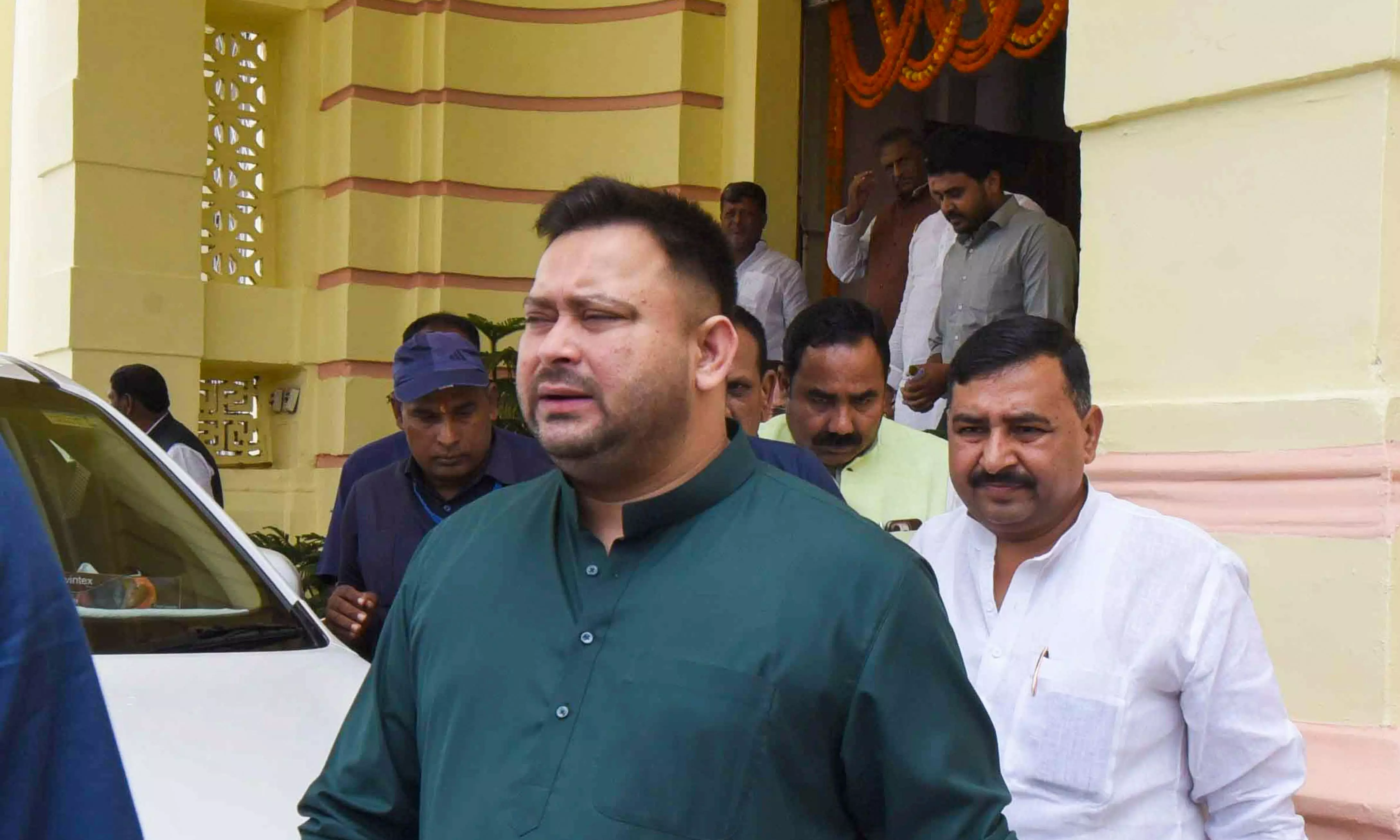
Reports of the Mahagathbandhan alliance in Bihar arriving at a broader agreement on seat-sharing among themselves and picking winnability as the prime criterion to field candidates reflect a realistic approach the opposition front in the state has taken with respect to the impending election to the Assembly.
The Mahagathbandhan had crossed the major milestone when they agreed on a broad understanding of the seats each party would contest. As it stands now, the RJD will contest 140 of the 243 seats while the Congress will get 55 to 58 seats and the CPI (ML), which had the best strike rate of winning 12 seats out of 19 seats it contested in the last polls, will get 20 seats. The Congress appears to have grown realistic about its stakes in the state and hence its non-insistence on the 70 seats it had contested last time.
Reports suggest that the Mahagadbandhan has started thinking of swapping seats among themselves taking into consideration which party will have a better chance of winning it. This would involve parties swapping their seats among themselves, something which they are not generally comfortable about.
It is easier said than done as designing a successful swap formula would demand that the partners are in a give-and-take approach and that they have a thorough understanding of the grassroots politics. The MGB may perhaps come up with a winning formula as its main opponent, the NDA, is yet to figure out the internal arrangement.
The number of votes a candidate gets is one factor — admittedly the biggest factor — in deciding success in a first-past-the-post system but that is not the only factor. There are others, too, that can impact the final outcome with varying gravity. The BJP under its senior leader Amit Shah has perfected the art of winning seats not just by amassing the maximum number of votes but also by dividing those of the opposition, apart from playing out every single actor that can influence the voter. Indian voters have proved that they can be vulnerable to political algorithms, if deployed smartly. The MGB experiment will make the Bihar elections more interesting to watch.

