DC Edit | New Trump Tariffs: It’s Lose-Lose

The US push to onshore pharma production may hurt India while driving up American healthcare costs
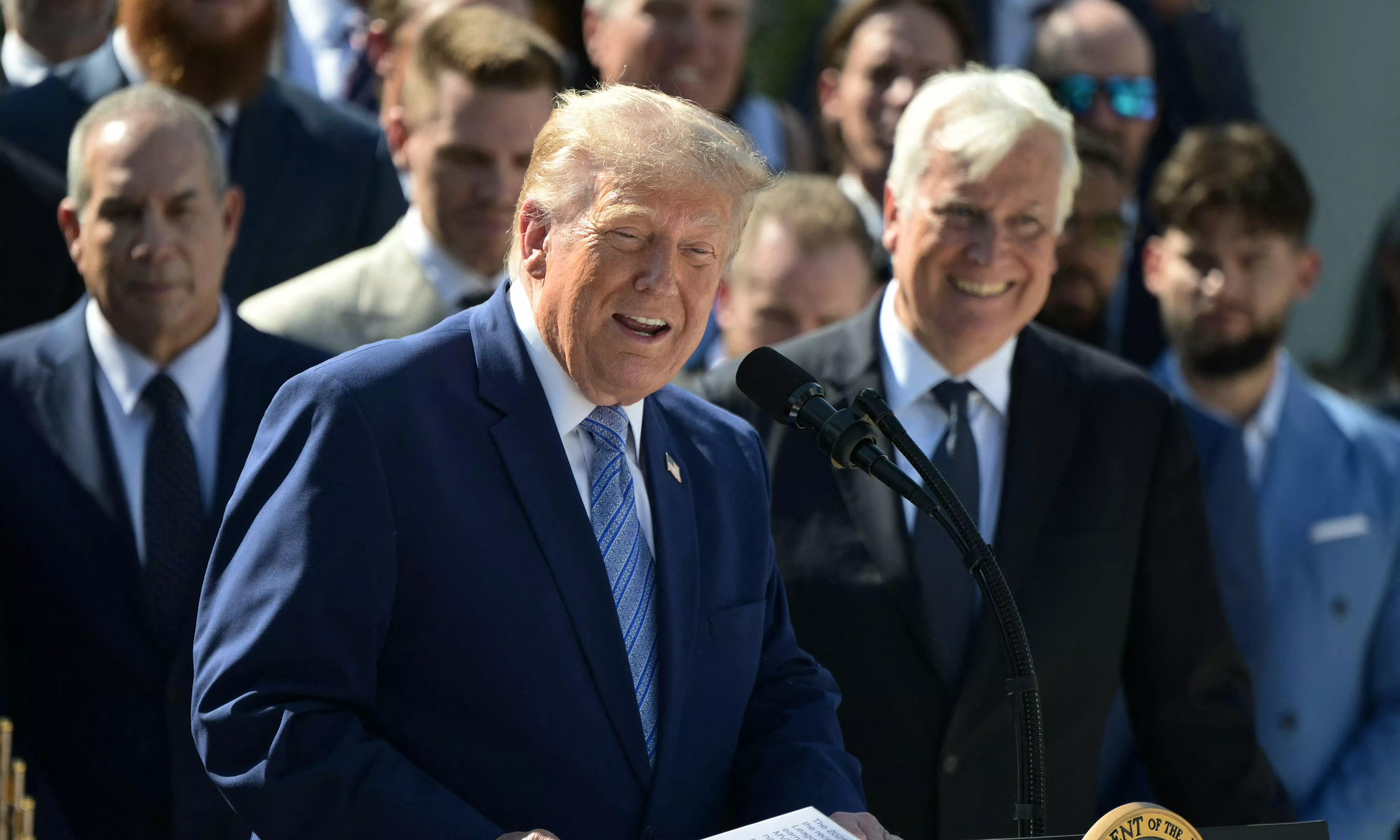
US President Donald Trump’s threat to impose steep tariffs on imported generic drugs from August 2028 to onshore production is a continuation of policy decisions which are not rooted in empirical evidence. He announced similar restrictions on patented drugs in April.
While the higher tariff is expected to impact the profitability of the Indian pharma sector, the largest exporter of generic drugs to the US, it would also drive up public healthcare costs in America, impacting government budgets and ballooning the already high fiscal deficit.
Since India alone exports around 45 per cent of generics to the US, Mr Trump has proposed a gradual implementation of the penal tariffs — none till 2028, 100 per cent from August 1, 2028, to July 31, 2029, and 200 per cent from August 1, 2029. The policy aims to prod Indian pharma companies — which sold $213-billion worth of generic drugs to the US — to set up manufacturing plants in the US.
The revenue of the top five US pharma companies is around $350 billion and their market capitalisation is $2,791 billion. In comparison, the valuation of the top five Indian pharma companies is just five per cent or $120 billion. If investment alone could shift generic pharma production to the US, the large US pharma companies could have done it instantly.
The essential requirement for generic drugs is affordable pricing. To produce generic drugs at a low cost, companies need low-cost talent, land and other factors of production. Under duress from the Trump administration, Indian companies may set up factories in the US. But will Americans accept the salaries these companies offer Indians? Absolutely not. If they pay American labour as per local requirements, it will immediately make generics unaffordable, impacting public health spending and the profitability of US-based generic units.