DC Edit |Need For J&K Statehood Is Vital; Don’t Lose Focus

Article 1 of the Constitution is not only the foundation of that document but also the cornerstone of the entire array of principles this nation is founded on. It states in no uncertain terms that ‘India, that is Bharat, shall be a Union of States’. The framers of the Constitution had no doubt in their minds that the very idea of India is founded on federal principles and that the states are its foundational units
Stripping Jammu and Kashmir of its statehood, along with hollowing out Article 370 of the Constitution, was an act of sleight of hand by the NDA government at the Centre. The BJP may claim justification for doing away with the constitutional link that had bound the Indian nation to the state of Jammu and Kashmir because it had long been part of the agenda the party placed before the people of the country; but to strip a state of its basic status to achieve a political end was a deception played on the people of Jammu and Kashmir, the people of India and the Constitution itself.
Article 1 of the Constitution is not only the foundation of that document but also the cornerstone of the entire array of principles this nation is founded on. It states in no uncertain terms that ‘India, that is Bharat, shall be a Union of States’. The framers of the Constitution had no doubt in their minds that the very idea of India is founded on federal principles and that the states are its foundational units. There are indeed provisions to make and unmake states as the country moves forward so that the interests of the people are better served.
The boundaries and even the names of the 28 states classified into four categories that existed when the Constitution came in force in 1950 have been changed several times. The changes, however, were made to reflect the aspirations of the people. In fact, the Constitution was mindful of placing popular demand above the opinion of the state legislature in that Parliament was empowered to carve out new states without the consent of the existing state legislature, evidently taking into account possible resistance to division.
Every single principle of the Constitution and every constitutional propriety was violated when Jammu and Kashmir was bifurcated into two Union Territories in 2019. The move was followed by an assurance by the nation’s leadership, through the voices of the Prime Minister and the Union home minister, that its statehood would be restored in the near future. The government gave the impression that elections to the state Assembly would be the marker: once an elected government came to power, statehood would be restored. However, it was not to be.
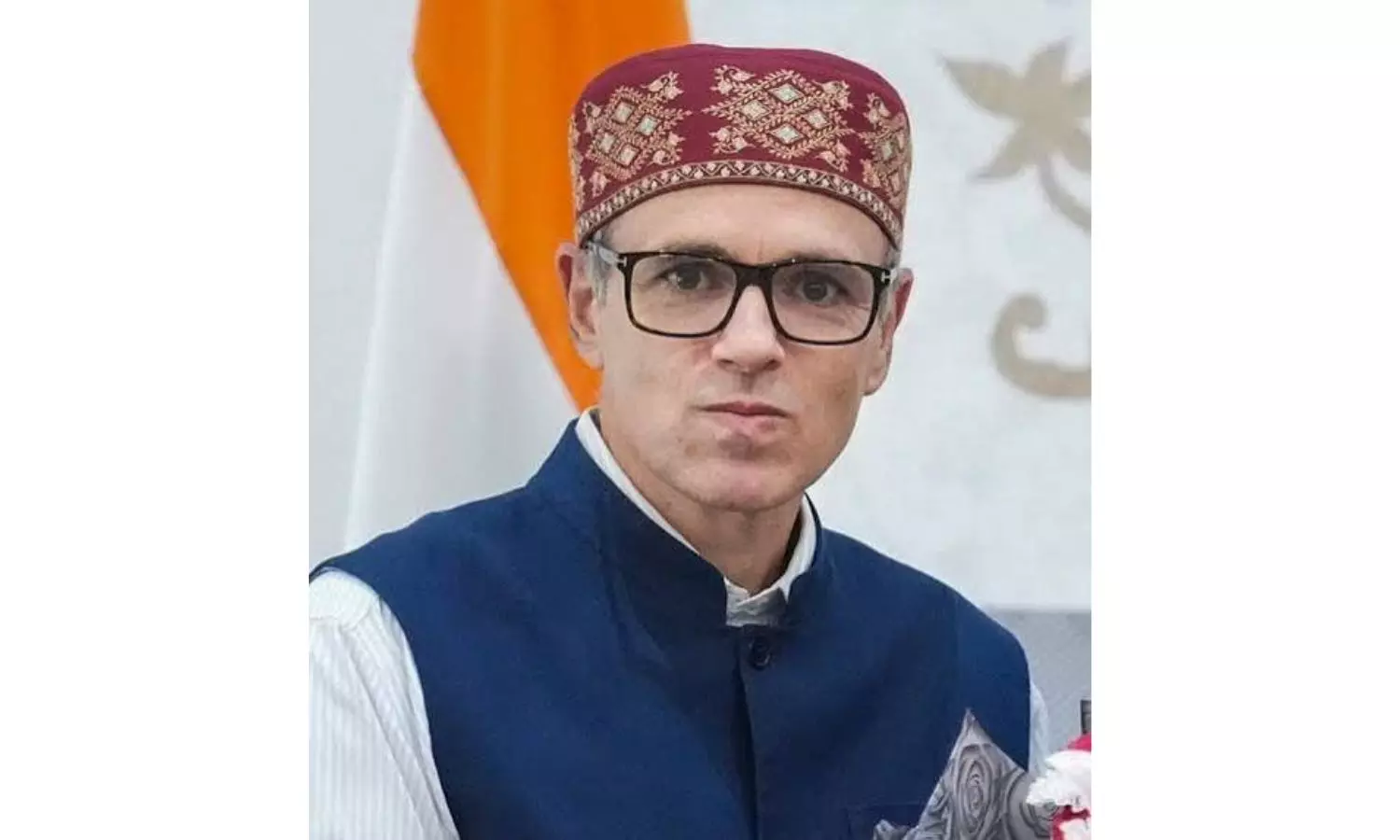
Chief Minister Omar Abdullah was at his diplomatic best over the past two years when he chose not to adopt a confrontational course with the Union government on the question; he counselled patience even among his own party colleagues believing that the Union government would fulfil its promise to the state and to the nation. He has now called for a march to the national capital on July 20 to press for the demand.
The BJP’s response to the call, and to the demand itself for statehood has been one of obstinacy and arrogance. Instead of addressing the issue the Chief Minister has raised, the party is now offering excuses for not walking the talk. The party knows fully well that such a response will an equally shrill response from the other side, which will offer the saffron party a further excuse to delay the decision. It would be advisable for Mr Abdullah to stay the course instead of allowing attention to be diverted from his genuine demand.
The BJP would also do well to remember that history has not been very kind to the dispensations that sought to impose their writ on this country through skullduggery and arrogance; respecting democratic norms and acquiescing in the people’s wishes are in order instead.
