DC Edit | Lebanon Truce 1st Step In Wider Mideast Peace Deal

More significantly, both the main combatants USA and Iran have shown a good amount of restraint in the days after the talks broke down in Islamabad last weekend
The best news to come out of West Asia since the breakdown of initial talks between the United States and Iran is the 10-day ceasefire agreed on by Lebanon and Israel after face-to-face talks of the two nations’ representatives in Washington. What this means straightway is Iran’s precondition for the resumption of talks has been met of a ceasefire in Lebanon where its proxy Hezbollah operates.
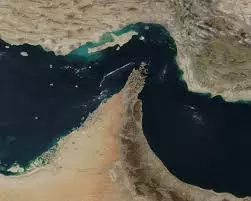
More significantly, both the main combatants USA and Iran have shown a good amount of restraint in the days after the talks broke down in Islamabad last weekend. Iran reversed its stand on blocking ships traversing the Strait, saying that the Strait of Hormuz is “completely” open for commercial shipping. And the US which expanded the war by preparing an economic blockade of Iran, is yet to call off the blockade though it has not forcibly stopped ships or boarded them thus far and is only using it as a bargaining chip for the talks ahead.
The signs are promising that once the talks resume the US and Iran would aim to fulfil a mutual craving to stop the bombing that the US President had, at Israel’s behest, started on February 28 and which led Iran to retaliate against third party targets like the Gulf Arab nations merely as convenient targets because they are US allies and host US bases and facilitate air attacks. And yet all this should be put behind by everyone if indeed the talks are to restart in earnest.
What lends heft to the considerable achievement of getting Israel and Lebanon to the table is the fact that Hezbollah has not indicated that it is not agreeing to hold fire. The militant group, with a token political presence in Lebanon, may not have explicitly stated that it has not accepted the ceasefire though it did lay down the condition that it would be subject to Israel vacating southern Lebanon where it has made inroads in a military advance it threatens to stretch right up to the Litani River.
The Israeli Prime Minister may be facing opposition at home for agreeing so readily to the ceasefire even though he says aggressive options are being kept open. But he was the key figure in the whole conflict in that he had imagined Israel’s security could be secured forever by defeating Iran through USA’s military forces. It is irrefutable that Iran has shown strength in resilience in being able to survive the bombing of 13,000 targets, including hospitals and schools though it is also a fact that it has sustained widespread damage.
US President Donald Trump’s claims of Iran being willing to hand over all the “nuclear dust” that was bombed into the ground last year and in the war in March may be exaggerated in his typical bombastic style that borders on braggadocio. But the very fact that it is being aired at a sensitive time before negotiations restart is itself promising because dialogue is still being given precedence over threats.
If Iran were to renounce in clear terms its ambition of building an arsenal of nuclear bombs it could gain a passport to enter the comity of nations as an open and equal trading partner without any US sanctions and its people would gain enormously from the shedding of its isolated status. However, Iran’s hardline regime, propelled more by the IGRC now, is something else altogether. It might need an agreement that pretends it is a signal that it won the war much as Mr Trump would need the same. And there lies the key to a deal that would bring peace to the region and let the world breathe easy on the energy security front.
