DC Edit | Ensure Defamation Law Not Weaponised By Parties

Article 21 of the Indian constitution guarantees the right to life. Constitutional courts have expanded the scope of this article which now includes protection of reputation, dignity of life and the right to privacy
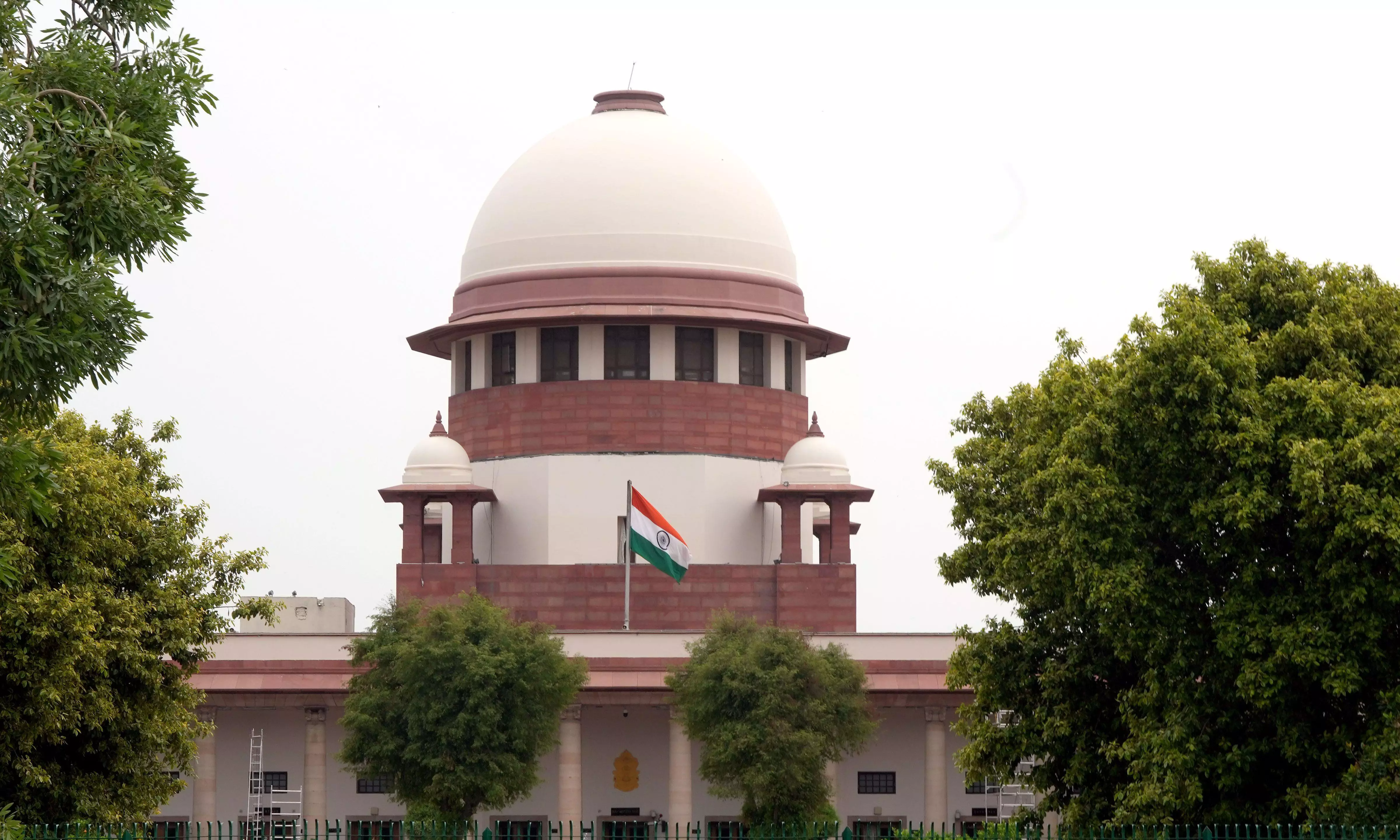
One of the essential features that define a democratic society is the rule of law. Defiance of the law as well as its abuse runs counter to it. It is important that checks and balances are placed to ensure that those who breach the law and abuse it are restrained alike from doing so. The Supreme Court’s suggestion to decriminalise defamation is a right first step in a long journey for Indian society to transform itself into a civilised and democratised one.
Article 21 of the Indian constitution guarantees the right to life. Constitutional courts have expanded the scope of this article which now includes protection of reputation, dignity of life and the right to privacy. The very existence of the defamation law in the statute book is to ensure protection of reputation. It can take both criminal and civil route to ensure that justice is done to the aggrieved. The Supreme Court in a 2016 judgement upheld the constitutionality of criminal defamation under Section 499 of the Indian Penal Code then in force, while cautioning courts on issuing summons under it. Courts should not allow the law to be used as a tool to needlessly harass people, it had stated then. The law has had its rebirth as Section 356 of the Bharatiya Nyaya Sanhita.
A rethink on the part of the Supreme Court on the law becomes a welcome step as defamation has now become an easy tool in the hands of many to silence the voice of dissent. Campaigns are launched all over country to file criminal defamation cases against political leaders and news organisations if they speak against the powers-that-be. Tragically, this is not limited to one party; most of the parties resort to this tactics when they are in power. Cases will be filed in several states and the political leader or news organisation will have to run to constitutional courts to save themselves from harassment. The process itself would become punishment, which is unacceptable as it undermines the very Article 21 which enables the litigation. While the courts have often come to their rescue, it must be remembered that many people continue to be subjected to such harassment for their inability to access the higher courts. This must end.
While a rethink on the criminalisation of defamation is very much in order, there must be safeguards to ensure that those who are bent on tarnishing others’ image and reputation are made to answer before the law. One of the points the apex court pointed out was the long delay and tortuous processes involved in defamation cases. The court is right on this count and steps must be contemplated to ensure that every facet of Article 21 is sacrosanct. Every violation has to be expeditiously punished.
While the court has declared its intent, it is now up to the Union government to make its position clear. The present dispensation has a track record of reintroducing laws that had been struck down by the courts in some other form, the Prevention of Money Laundering Act and the defamation law being the best examples. It must, therefore, come up with practical and legal measures to ensure that the ends of justice are met.
