DC Edit | Bad Air, But Delhi Has A Plan

Air quality in Delhi-NCR starts worsening from mid-September. And all the usual suspects will make their presence felt regularly: stubble burning which aggravates air pollution as the winter peaks and festival fireworks, especially around Diwali
If Delhi recorded an unusually low temperature of 21°C, the lowest in this month since 2008, it does not mean that cool climes have returned to the nation’s capital. Its reason something else and dreadful: pollution. It could perhaps be the sign of the worsening air quality that the people are going to suffer in this winter.
Air quality in Delhi-NCR starts worsening from mid-September. And all the usual suspects will make their presence felt regularly: stubble burning which aggravates air pollution as the winter peaks and festival fireworks, especially around Diwali. Both the government and the judiciary regularly come up with measures to control the phenomenon but little impact is felt in the air. The result is that the nation’s capital often ranks among the world’s most polluted cities, with AQI levels exceeding all limits.
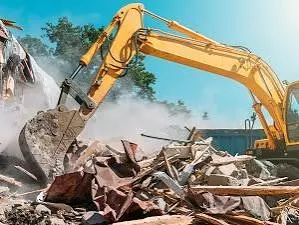
The government has now introduced new controls to stop the toxic blanket of smog from choking Delhi. Among the prohibited activities are all dust-generating demolition and outdoor civil construction activities which will be effective from November 1 to January 31. A complete ban is being put on other construction and demolition activities from December 10 to January 20. There will also be strict implementation of the “no PUCC, no fuel” rule. Vehicles registered outside Delhi not meeting BS-VI emission standards, except CNG and EV vehicles, will be prohibited from entering the city. Staggered office hours, coupled with the introduction of work-from-home for 50 per cent of the government staff, will reduce peak-hour traffic and vehicular emissions. Connecting over 2,000 industrial units to online emission monitoring systems will enhance oversight.
Still, while the government’s action plan appears structured, its real-time efficacy relies heavily on inter-state synchronisation as it is estimated that activities within the nation capital region account only for 30 per cent of its pollution. The entry bans on non BS-VI vehicles will require rigorous checking at the borders of Uttar Pradesh and Haryana. Extended restrictions on construction labour could threaten daily livelihoods. Resident associations and site contractors must be taken on board to ensure that drone surveillance on open biomass or waste burning produces desired results.
While Delhi will try to control pollution sources within its jurisdiction, sustained improvement in air quality will require coordinated action across the region.
