DC Edit | Amid Crude Surge, Strive For Energy Independence

The average price of India’s crude basket is at $115 a barrel, which is at least $45 more than the price ($70) the country is comfortable to pay. Every dollar rise in the crude oil price will increase the country’s fiscal deficit, current account deficit, pull down stock markets, increase pressure on rupee, spike urea cost and make transportation costly
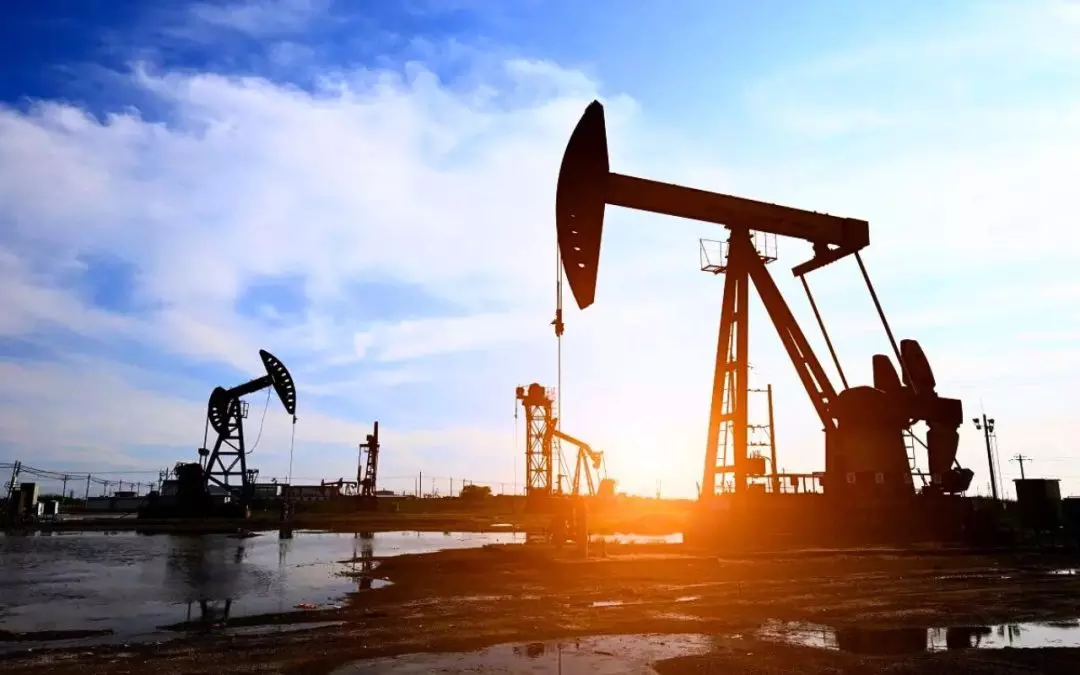
Brent crude, the international benchmark, has climbed by 51 per cent since the start of March, beating the previous monthly record of 46 per cent in September 1990 after Iraq President Saddam Hussein invaded Kuwait, leading to the first Gulf war. This fact highlights the enormity of the oil price surge since last month.
The average price of India’s crude basket is at $115 a barrel, which is at least $45 more than the price ($70) the country is comfortable to pay. Every dollar rise in the crude oil price will increase the country’s fiscal deficit, current account deficit, pull down stock markets, increase pressure on rupee, spike urea cost and make transportation costly.
No other major economy is as vulnerable to the ups and downs of imported crude oil as India is. Even since 1973, every oil crisis has led to multidimensional problems in the country, including unseating the incumbent political party from power.
Almost 99 per cent of petrol imported by India — 42 million metric tonnes — is used by people to run their private vehicles. Of this, 59 per cent is used by bikers, 30 per cent by passenger cars and 10 per cent by utility vehicles. At least half of the diesel — 44 million metric tonnes — imported to India is used by medium and heavy commercial vehicles.
Crude oil and its derivatives are essential for producing and cooking food, travelling, clothes (polyester and nylon), packaging, equipment and gadgets (plastic). Imported crude oil is to India what blood is to human beings.
Though India is comfortably placed with roughly 50 days of crude oil reserves and has diversified its sources, the country cannot escape from the impact of crude oil prices. Yet none of successive governments have tried to arrange alternative systems.
In the 1990s, the world might not have had the technology to replace crude oil. But now in 2026, the world has various technologies to replace crude oil or at least reduce its dependency drastically. For food production, India could use green hydrogen to produce green ammonia without using natural gas. Similarly, the country could switch to methane, supplied through piped gas network, or dimethyl ether (DME) supplied through existing LPG distribution network, or nudge households to shift to electric induction tops.
For transport, the emerging sodium ion technology can help India to produce batteries that are safe and fast charging. Green hydrogen could also be fuel for cars that are run on fuel cell technology as well as internal combustion engines after some modifications. Hydrogen-run cars produce only water as exhaust.
Nevertheless, successive governments have not taken any interest in implementing these new technologies. It is understandable that politicians, who are more concerned about elections, may not have the required knowledge or bandwidth to think long term. However, what were top officials, who represent the cream of cream of Indian youth and are selected through rigorous entrance tests, doing? If the government does not take steps to achieve energy independence for the country at least now, the future will not forgive it.
