DC Edit | All Leaders Need To Shun Hate, Put The Nation First

The frequent, perhaps even continuous, disruption of the Lower House since the discussion began on the Budget and then the trade deal with the United States and the motion of thanks to the President’s address in which the issue of a yet-to-be published in India memoir of an Army chief cropped up, is owed more to the hatred existing among those who run the government and those who are politically opposed to them
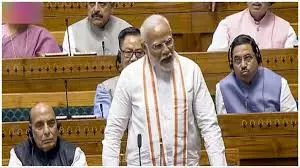
“This hatred must end.” These words were those of Mahatma Gandhi during the difficult days of the Partition which resonated with the top leadership of the time in Prime Minister Jawaharlal Nehru and Deputy PM Sardar Vallabhbhai Patel. The words ring true 80 years later though the hate pertains to what exists now between the top leadership of the country and the opposition. And this is what is also affecting the functioning of the Lok Sabha, which is the common ground at which both get to speak on subjects of national interest.
The frequent, perhaps even continuous, disruption of the Lower House since the discussion began on the Budget and then the trade deal with the United States and the motion of thanks to the President’s address in which the issue of a yet-to-be published in India memoir of an Army chief cropped up, is owed more to the hatred existing among those who run the government and those who are politically opposed to them.
It may have been extraordinary that a “gherao” of the Prime Minister’s seat by women MPs took place but the subsequent shutting down of Lok Sabha proceedings at the merest sign of dissent and discord is symptomatic of the erosion in sustaining even ordinary working relationships that are required for the national legislature to function.
It didn’t help either that a top constitutional functionary like the Speaker has been unable to control proceedings by using his considerable powers as, say, in having the disruptors removed from the House if it becomes necessary for its smooth functioning. The scare scenario that he whipped up leading to the Prime Minister abandoning altogether his duty of explaining “the position of the Government at the end of the discussion on the Motion of Thanks,” was not in keeping with the holder of a high, non-partisan office of democracy.
The crux of the problem leading to more than 80 per cent of time allotted being wasted post- Budget presentation lay in the ruling on the inadmissibility of reading from a media report on a book by a former Army chief. Irrespective of the correctness of the ruling, the Leader of the Opposition’s stubbornness in not accepting it contributed to the impasse in equal measure.
When so much information is available in the public domain these days in the age of instant communications, it cannot be right that the merest threat of disclosure of sensitive information in the House is a signal for the suppression of MPs’ speech. The fluent running of Parliament is primarily the government’s responsibility as much as it is the privilege of the Opposition to use the opportunity meaningfully to question government decisions.
What has been lost is the culture of civil discourse, debate and discussion in the Lok Sabha where the directly elected representatives of the people gather. This is not compensated by the Elders finding a kind of median of polite exchanges in the Rajya Sabha though the general coarseness of the language of vituperation against political opponents has not come down one whit, be it in someone calling another a traitor for being a political turncoat or a leader accusing a family of hijacking a surname to perpetuate its connect with the people. But that, again, is a sign of the hatred that runs through the top echelon of people’s leaders.
