DC Edit | Airlines Need To Follow The Rules, Or Face Strict Action

It is the government that blinked, putting the new FDTL limitations on hold to try and mitigate the miserable lot of passengers who were held to ransom by the airline failing to prepare for the new roster rules that were proposed nearly two years ago
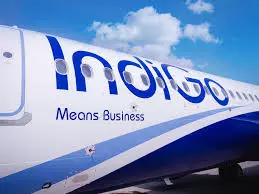
India’s civil aviation was brought near enough to the point of total collapse thanks to an intransigent arm of a virtual duopoly holding a gun to the head of a lethargic government bureaucracy in the wake of a more liberal roster made mandatory for the well-being of pilots and the safety of flying which one airline was chary of accepting in letter and spirit.
The irony is that IndiGo, the airline to blame for the chaos that has lasted six days thus far and needs many more days to restore normality, has got away with it. It is the government that blinked, putting the new FDTL limitations on hold to try and mitigate the miserable lot of passengers who were held to ransom by the airline failing to prepare for the new roster rules that were proposed nearly two years ago.
Having misjudged totally the pilot requirements to meet new crew-rest regulations, giving pilots longer time off and a stipulated two landings only per night, because it had been running its operations for two decades with an eye only on the bottom line as a lean and mean budget carrier, IndiGo blatantly cancelled thousands of flights inconveniencing lakhs of passengers.
Curiously, it was not the airline that was hit as evidenced in modest dips on its market capitalisation in terms of share price but the general Indian public who are largely forced to fly the airline with 65 per cent of national flights, many of them as a monopoly in certain remote sectors and airports. All the lead time given to adapt to more empathetic rules for safer flying went to waste while a nation looked on in shock at airport terminals beginning to resemble fish markets.
Its crew-planning having been non-existent, the airline may have been betting on letting the stress of mass cancellations send a message to the regulator that it cannot enforce reforms without making concessions to the airline. And it could win the argument because the nation with under 850 registered commercial aircraft — of which under 700 are operational — for a population of 140 crores — and around 400 million fliers in the busiest year to date in aviation history — could not possibly offer the required aviation connectivity.
The government and the regulator DGCA were caught on the wrong foot. They woke up nearly five days later into an unprecedented crisis and started speaking of refunds, stranded travellers’ requisites and capping fares that had spiralled to unaffordable levels. And the airline, which was putting out apologies to its customers, took six days to form an emergency committee to tackle the ongoing crisis even as its bewildered staff were left to deal with passenger rage at terminals.
Going forward, the government and DGCA should not relax the FDTL, which is a band-aid kind of solution. Given the history of collapsed airlines as much from inefficiency as policy and politicians meddling with the aviation industry, there may be few takers to enter the industry. But the DGCA must be given teeth to deal with non-compliant operators even as the government should help bring dormant aircraft back to the sky and allow pilot training schools the freedom to operate rather than crush them with high taxes on fuel.
A duopoly was allowed to build after the skies were opened just over 30 years ago and the first private operator came to add to the monopoly Indian Airlines enjoyed in the old days. Today, aviation is a lifeline of a rising economy and it cannot be left to profiteering players who raise fares at the first sight of a crisis in the name of surge pricing. Competition must be encouraged, however clouded the scenario may seem. Intractable carriers must be brought to heel if aviation is to serve its purpose in one of the world’s largest economies.
