DC Edit | 33 pc Seats For Women In 2029 A Welcome Move

It will be the logical step forward for not only this piece of legislation but also the Constitution (73rd Amendment) Act, 1992, which revolutionised decentralisation of power by recognising local self governments and introducing 33 per cent reserved seats for women
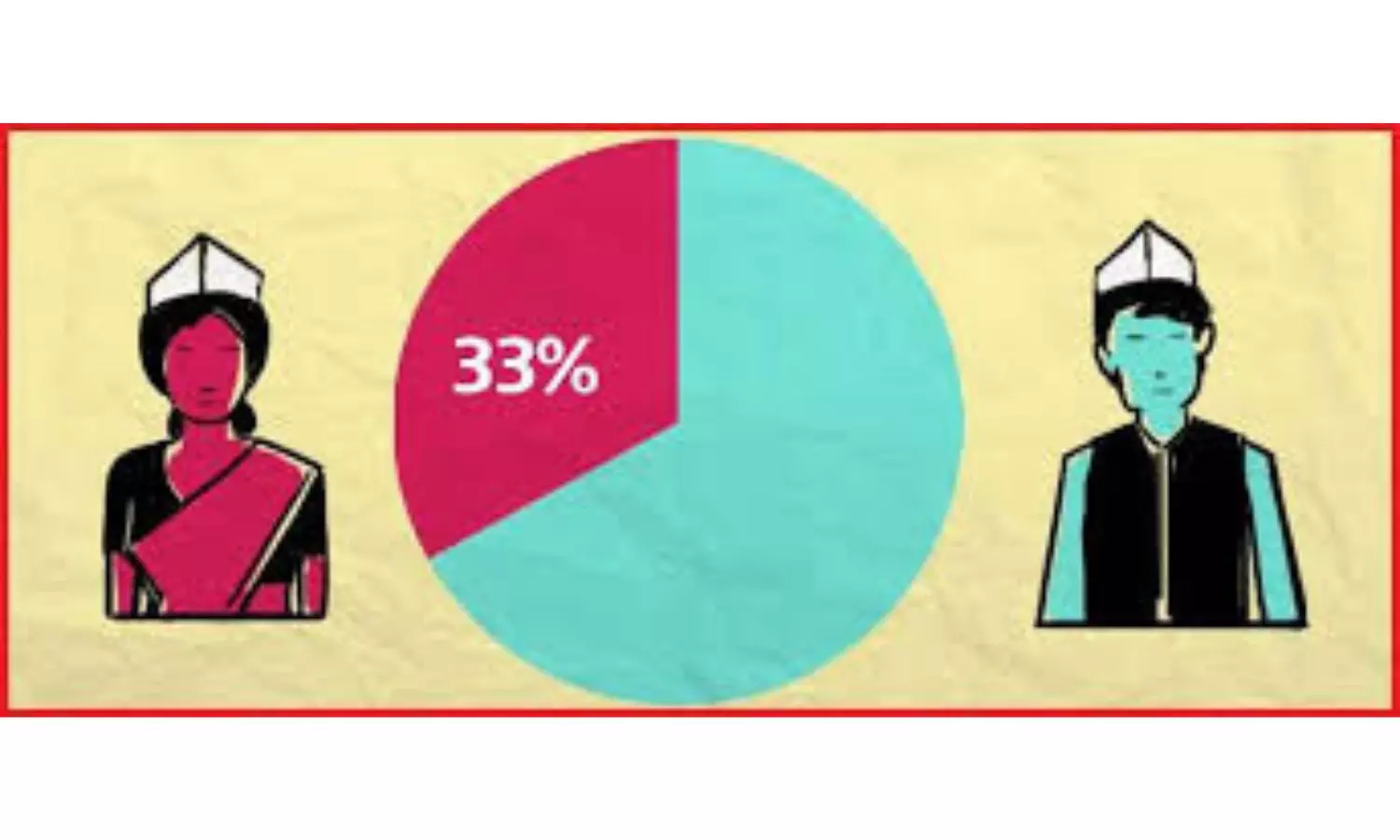
The Union government’s reported move to introduce 33 per cent reservation for women in the Lower House of Parliament and state legislative assemblies as per the mandates of the Women’s Reservation Act, 2023, for the 2029 Lok Sabha election is a welcome move that will take the concept of gender equality forward in a substantive way. It will be the logical step forward for not only this piece of legislation but also the Constitution (73rd Amendment) Act, 1992, which revolutionised decentralisation of power by recognising local self governments and introducing 33 per cent reserved seats for women. The republic has travelled far on the path of democratic reforms since then, ushering in thousands of women leaders to public life. It is time to take the next logical big step.
However, while the implementation of the provisions of the law will be universally welcomed, the fact remains that it depends on two contingent measures — the conduct of the population census and the delimitation process. While the Women’s Reservation Act holds that its provisions will be implemented after the census, the current freeze on delimitation ends in 2026 unless the government goes in for another Constitution amendment. The Covid-19 pandemic delayed the decadal census that was due in 2021 but the government has cited no reasons why it postponed it even further. As per the latest decision, the process will start in 2027 which will be followed by delimitation.
It may be noted that while women’s reservation and census may take place without any further controversy delimitation of Lok Sabha constituencies based on the 2027 census is sure to meet with stiff resistance. While the republic follows universal adult franchise, the skewed way different parts of the country adhered to national policies on population control and met goals has created a situation which will be tough to solve. While those states which have successfully met the targets will be at the losing end if the formula follows the census data alone, total indifference to the numbers would weaken some of the basic democratic principles, including “one man, one vote”.
The government has been talking of a series of electoral reforms apart from these, including the proposal to hold simultaneous elections to all state Assemblies and the Lok Sabha. These are issues that need a national consensus and the government must take early steps to arrive at one before jumping into any major changes in the way Indians elect their rulers.
The reports of the government move have come curiously on a day when the World Economic Forum’s Global Gender Gap Report 2025 said that India has been placed 131st out of 148 countries, slipping two positions from its 129th rank last year. It only means that the high sounding slogans the country’s leaders have raised all these years about women have not been translated into empowering them. One can only hope that a higher share in the legislative bodies including Parliament will change this situation in a meaningful fashion.
