GST collection was almost halved because of lower consumption
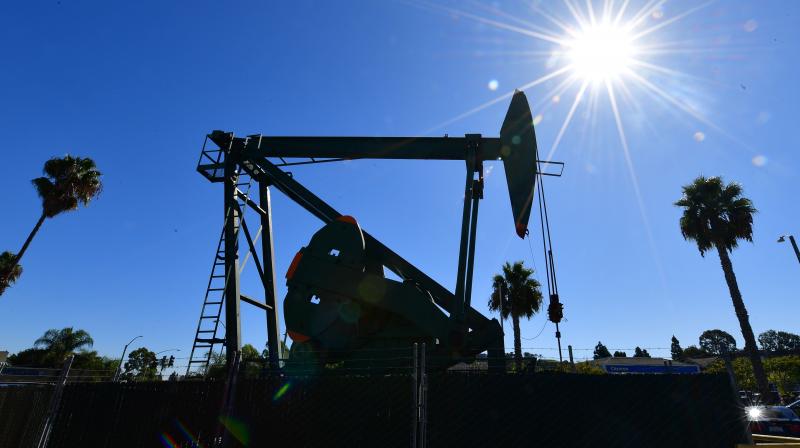
Oil market companies have increased the price of petrol and diesel by 62 paise and 64 paise respectively for the eighth consecutive day on Sunday.
The cumulative increase in petrol price over the last eight days was Rs 4.52, while it was Rs 4.64 for diesel.
The companies have begun increasing fuel price since June 7 after an 82-day freeze in the fuel price, citing an increase in the global crude oil prices. Crude oil price on June 14 is $38.73 per barrel compared to $26.98 a barrel on March 21, reflecting a 43.55 per cent rise.
However, this cannot be an excuse to raise fuel prices further because the impact of lower crude oil price was appropriated by the central and state governments by increasing their taxes.
As of now, central and state taxes make up nearly 70 per cent of the price that we pay for petrol or diesel. For these fuels, we pay almost three times more than the actual cost.
Whenever there was a fall in the global crude oil price, the central government quickly skims away benefits by increasing taxes, but when the price rises globally, it doesn’t absorb the impact.
This policy shows the hollowness of the oil price decontrol regime introduced by Prime Minister Narendra Modi, which mostly benefited the government rather than people.
Officials, however, were quick to justify the increase in fuel taxes given an unprecedented financial destruction caused by Coronavirus pandemic in the country. GST collection was almost halved because of lower consumption, while weaker sales would result in lower income-tax collection.
States would have to depend mostly on liquor and fuel to shore their income, while the Centre also doesn’t seem to be keen on softening the impact on consumers.
One aspect, however, all governments seem to have missed is the inflationary impact of fuel prices on other commodities. The high inflation in the times of lower economic growth would result in much more dreaded stagflation.