Sunanda K. Datta-Ray | Can Andy Burnham Revive Labour After Starmer Fall?

Growing questions over Keir Starmer fuel leadership speculation and debates on Britain’s future
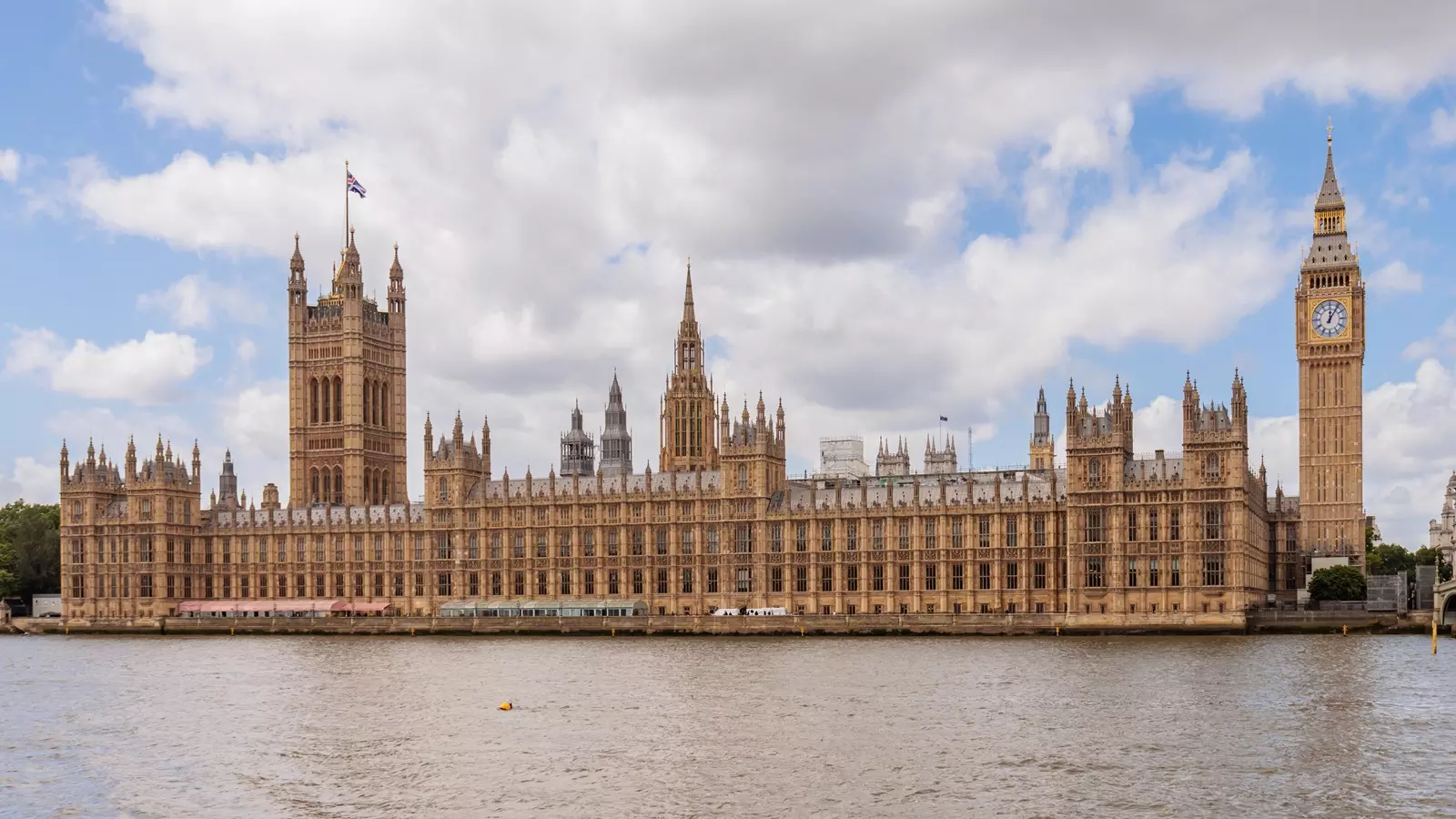
British hesitation in selecting a seventh Prime Minister in ten years may suggest that the famous gibe by a US secretary of state, Dean Acheson, that “Great Britain had lost an empire and not yet found a role”, remains as true today as when it was made in 1962. Political leaders realise that choosing a successor to the incumbent, Sir Keir Starmer, could involve coming to grips with the existential challenge that has haunted Britain after World War II.
The point is that an election is unnecessary as Sir Keir Starmer’s ruling Labour Party won a historic landslide in July 2024. No major scandal has dragged him down, as the flamboyant flaxen-haired Conservative PM, Boris Johnson, was dragged down. Nor does he face economic calamity, as the inexperienced Liz Truss, whose 49-day tenure is the shortest British prime ministerial stint, did.
But more and more of the party bosses feel that he may not be able to lead them to another victory in the next election which must be held by August 15, 2029. The pundits and the podcasters prefer Andy Burnham, 56, the respected mayor of Greater Manchester, who has just swept back into Parliament with 55 per cent of the vote. The “King of the North”, as Mr Burnham is called, has carefully cultivated the image of someone who cares deeply about his patch, and consistently and publicly reinforces it. Mr Burnham stood up to the Conservative government in London over what he felt was a weak and confusing support package during the Covid-19 pandemic.
A new Britain is emerging, and Lord Waheed Alli points to it. Alli’s mother is an Indo-Trinidadian nurse from the West Indies archipelago, Trinidad and Tobago; his estranged father, a mechanic, is Indo-Guyanese from Guyana. His mother was Hindu and his father Muslim; he has two brothers, a Hindu and a Muslim. The youngest member of the House of Lords when Sir Tony Blair ennobled him in 1998, Alli is openly gay, active in TV, and lives up to the BBC’s description of being “the antithesis of the stereotypical ‘establishment’ peer -- young, Asian and from the world of media and entertainment”.
He wasn’t conspicuously damaged by the “passes for glasses” scandal which referred to two controversies. First, it was revealed that he had been granted a security pass for 10 Downing Street despite holding no official government role. Secondly, Sir Keir didn’t disclose the freebies and other gifts from Lord Alli, including thousands of pounds worth of clothing and multiple pairs of fancy spectacles for his wife.
The government seemed to be reeling more from another revelation: while it was trying to come to terms with the after-effects of Brexit, another peer, Lord Peter Mandelson, had been appointed ambassador to the United States despite failing a security vetting process and notwithstanding his unexplained but obviously close ties with the notorious American child sex offender and financier, Jeffrey Epstein.
What mystifies observers the most is Mr Starmer’s apparent inability -- or unwillingness -- to stem the rot. He spoke with vigorous confidence of reforming Britain’s National Health Service, manufacturing and exporting more, stabilising the economy, resetting international relations, and reducing the number of illegal immigrants who cross the English Channel in perilous little boats, often entailing dreadful casualties. But it is anyone’s guess how many of these boasts were justified by achievements on the ground. They do not seem to have inspired faith in Mr Starmer’s management.
In fact, authority seems daily to be slipping away from his grasp. Wes Streeting, the health minister, is one potential rival. Another is the Oxford-educated home secretary (minister), Shabana Mahmood, 45, the barrister daughter of Pakistani-origin parents from Mirpur, “Azad Kashmir”, who is expected to be effective in keeping immigration down.
Angela Rayner, 46, is another colleague to watch. She grew up poor in the outskirts of Manchester, became a mother at 16 and claims that she did not have books in her childhood home because her mother -- who had bipolar disorder -- could not read or write. Ms Rayner trained as a carer for older people, and worked as a trade union representative. As Mr Starmer’s deputy, and as housing secretary, she was responsible for many of the policies of which the Labour government is justly proud. But she resigned as deputy PM after a scandal over not paying enough property tax on a second home on England’s southern coast.
In a different category, Ed Miliband, who reportedly hopes to be Mr Burnham’s chancellor, is said to have infuriated the Cabinet by blocking a proposal to fund defence by ramping up North Sea drilling. Mr Miliband’s fixation with Net-Zero emission might also be his undoing.
Most of these candidates give the impression of toying with the idea of contesting the leadership after Mr Starmer but hesitate to take the plunge largely because the opposition, Andy Burnham, seems insurmountable. The seemingly formidable Mr Burnham had hoped to run for a parliamentary seat near Manchester earlier this year, but was blocked by Labour’s national executive committee in a decision that many saw as an attempt to prevent him from threatening Mr Starmer.
Where the Prime Minister is often accused of lacking a political vision, Mr Burnham champions “Manchesterism” -- a brand of business-friendly, “aspirational socialism” that seeks to put essential services back in public control and make life “doable” for ordinary Britons. Not surprisingly, many saw the decision of the party bosses to block his hopes as an attempt to prevent Mr Starmer’s most formidable rival from challenging him for the job.
To trigger a leadership challenge under the British system, one-fifth of Labour MPs (81) must back a single candidate. Once one or more candidates amass that level of support, their names can be put on the ballot to run against Mr Starmer, in a contest voted on by Labour Party members. But despite nearly 100 MPs publicly urging Mr Starmer to quit, no candidate has yet mounted a formal leadership challenge against him. There are thought to be just a handful of names capable of mustering the required 81 signatures.
That might change by the time this appears in print. Meanwhile, Olukemi Olufunto "Kemi" Adegoke Badenoch, the articulate and gifted ethnic Nigerian leader of the Conservative Opposition, points to an even more radical future. Her birth in Britain was an accident: the law has been changed since then to delink birthplace and nationality. But, looking ahead, that change might have come just too late to prevent the future Britain seeking a daring new identity and a global role under the sparkling black Ms Badenoch.
