Shashi Warrier | Is Newest Tariff Slap Trump’s Last Stand?

“Salma Hayek for one!” said Prita, jumping in. “The actress. He barged in on her and asked her out on a date. She said she had a boyfriend, and he said the boyfriend wasn’t good enough for her. But she stuck to her no.”
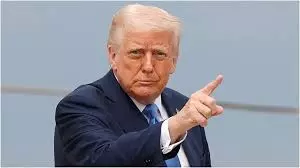
When President Trump announced his scheme of tariffs for India, people responded in one of two ways. Some dismissed his tariffs, saying that India’s trade with the US is small, and the few segments of industry that might suffer will get backing from the government to find new markets or make their products cheaper. Others said that President Trump’s tariffs have come from our present government’s stupidity in dealing with him, and will do serious damage to the economy.
I don’t know much about economics or politics or international relations, so I kept quiet. The big day arrived in the last week of August. People began to complain in earnest, and some factories stopped operations. By the 27th, when the new scheme was implemented, I was extremely confused, and hoping that someone would clear things up for me. By evening the suspense got too much for me so I opened a bottle of Scotch.
It worked better than I expected. Both Murthy and Raghavan, two of my most knowledgeable friends, turned up within a half an hour of the opening. I was just pouring Murthy his first of the evening when my wife Prita let Raghavan in.
Raghavan seemed a bit flustered. I fetched a third glass and poured Raghavan a double. I took another look at him and made it a triple because he looked as if he needed it. “What’s up?” I asked.
“It’s this man Trump,” he said, swallowing half the glass in one go, with neither ice nor soda. “Him and his tariffs!”
“But how does that affect you?” asked Murthy. “You’re a consultant, so you’ll probably have more business than ever.”
“Just nine months ago,” Raghavan said, “I advised our largest client to double his manufacturing capacity. He followed my advice. He got a quick loan, expanded his factory in double quick time, and invited me to the inauguration of the new facility on March 31st. They started production immediately, and everything went well. The trouble was, they make clothes, all destined for the US, and with these tariffs, they’ve had to close down not just the new facility but half the old one, and this new loan is going to sink them.”
“What do you mean, make clothes for the US?” I asked. “Clothes are clothes, right?”
He gave me a pitying glance. “Two things,” he said. “Styles and sizes. Our clothes are cheap by American standards. They need to be large and loud. No one else buys them that large or that loud.”
Out of the corner of my eye I saw Murthy smiling. “What?” I asked.
“Cheap, loud, and large,” Murthy said, “describes Trump perfectly!”
“Regardless of his unpleasant personality,” Raghavan said, “he’s damaged some parts of Indian industry.”
“Yes,” said Murthy, “and I’m sure you know how to get past the worst of it.”
“I think we can work it out,” said Raghavan. “I only wish we could predict what the man’s going to do!”
“Well, that should be easy!” said Murthy.
“What do you mean?” asked Raghavan, his voice rising. “The entire Indian business community and all the Prime Minister’s men haven’t been able to do that.”
“We know that Trump’s like a teenager,” said Murthy. “He thinks with his, ermmm, glands, and he thinks he’s the centre of the universe.”
“How do we know that?” asked Raghavan, intrigued despite himself.
“Well,” said Murthy, “we know how he reacts when a lady turns him down. Not at all well.”
“But he’s never mentioned a lady turning him down!” said Raghavan.
“True,” said Murthy, “but some ladies talk about turning him down.”
“Salma Hayek for one!” said Prita, jumping in. “The actress. He barged in on her and asked her out on a date. She said she had a boyfriend, and he said the boyfriend wasn’t good enough for her. But she stuck to her no.”
“And how did Trump react?” asked Raghavan.
“Sulked a little, stormed a little,” she said. “Like a teenager. But he got people to say nasty things about her, so he’s mean besides being loud and large and cheap.”
“But what’s his rejection by women have to do with these tariffs?” I asked.
“Our PM turned down two invitations to visit Trump at the White House,” said Murthy. “In Trump’s world, that’s a double rejection.”
“But where does that get us?” asked Raghavan. “What do we do about him?”
“Nothing,” replied Murthy. “Just wait until the sulks and the storms pass.”
“But how do you know his tantrums will pass?” asked Raghavan.
“We can’t say for sure, of course,” said Murthy, “but if you know your history you’ll know of the similarities of this situation to another. In the 19th century, an American — an army officer — went down in a confrontation with another bunch of Indians.”
“Who?” asked Raghavan.
“Custer’s last stand!” said Prita, who knows history better than I do.
“Right,” said Murthy. “This was before white Americans got the American Indians sorted out. Custer was an American lieutenant colonel, a former general from their civil war, who held the enemy in contempt, just like Trump. He attacked a Native American camp and got most of his force wiped out because he underestimated them. He died, along with two brothers and a nephew... I don’t know how many other family members died with him.”
“But the whites turned against the natives after that battle,” said Prita. “That was a turning point in the war.”
“Yes,” said Murthy. “But there’s a difference. Then, the natives were outnumbered. Today’s Indians outnumber the Americans.”
“So?” asked Raghavan.
“So either he lowers his tariffs,” replied Raghavan, “or this will be Trump’s last stand!”
When President Trump announced his scheme of tariffs for India, people responded in one of two ways. Some dismissed his tariffs, saying that India’s trade with the US is small, and the few segments of industry that might suffer will get backing from the government to find new markets or make their products cheaper. Others said that President Trump’s tariffs have come from our present government’s stupidity in dealing with him, and will do serious damage to the economy.
I don’t know much about economics or politics or international relations, so I kept quiet. The big day arrived in the last week of August. People began to complain in earnest, and some factories stopped operations. By the 27th, when the new scheme was implemented, I was extremely confused, and hoping that someone would clear things up for me. By evening the suspense got too much for me so I opened a bottle of Scotch.
It worked better than I expected. Both Murthy and Raghavan, two of my most knowledgeable friends, turned up within a half an hour of the opening. I was just pouring Murthy his first of the evening when my wife Prita let Raghavan in.
Raghavan seemed a bit flustered. I fetched a third glass and poured Raghavan a double. I took another look at him and made it a triple because he looked as if he needed it. “What’s up?” I asked.
“It’s this man Trump,” he said, swallowing half the glass in one go, with neither ice nor soda. “Him and his tariffs!”
“But how does that affect you?” asked Murthy. “You’re a consultant, so you’ll probably have more business than ever.”
“Just nine months ago,” Raghavan said, “I advised our largest client to double his manufacturing capacity. He followed my advice. He got a quick loan, expanded his factory in double quick time, and invited me to the inauguration of the new facility on March 31st. They started production immediately, and everything went well. The trouble was, they make clothes, all destined for the US, and with these tariffs, they’ve had to close down not just the new facility but half the old one, and this new loan is going to sink them.”
“What do you mean, make clothes for the US?” I asked. “Clothes are clothes, right?”
He gave me a pitying glance. “Two things,” he said. “Styles and sizes. Our clothes are cheap by American standards. They need to be large and loud. No one else buys them that large or that loud.”
Out of the corner of my eye I saw Murthy smiling. “What?” I asked.
“Cheap, loud, and large,” Murthy said, “describes Trump perfectly!”
“Regardless of his unpleasant personality,” Raghavan said, “he’s damaged some parts of Indian industry.”
“Yes,” said Murthy, “and I’m sure you know how to get past the worst of it.”
“I think we can work it out,” said Raghavan. “I only wish we could predict what the man’s going to do!”
“Well, that should be easy!” said Murthy.
“What do you mean?” asked Raghavan, his voice rising. “The entire Indian business community and all the Prime Minister’s men haven’t been able to do that.”
“We know that Trump’s like a teenager,” said Murthy. “He thinks with his, ermmm, glands, and he thinks he’s the centre of the universe.”
“How do we know that?” asked Raghavan, intrigued despite himself.
“Well,” said Murthy, “we know how he reacts when a lady turns him down. Not at all well.”
“But he’s never mentioned a lady turning him down!” said Raghavan.
“True,” said Murthy, “but some ladies talk about turning him down.”
“Salma Hayek for one!” said Prita, jumping in. “The actress. He barged in on her and asked her out on a date. She said she had a boyfriend, and he said the boyfriend wasn’t good enough for her. But she stuck to her no.”
“And how did Trump react?” asked Raghavan.
“Sulked a little, stormed a little,” she said. “Like a teenager. But he got people to say nasty things about her, so he’s mean besides being loud and large and cheap.”
“But what’s his rejection by women have to do with these tariffs?” I asked.
“Our PM turned down two invitations to visit Trump at the White House,” said Murthy. “In Trump’s world, that’s a double rejection.”
“But where does that get us?” asked Raghavan. “What do we do about him?”
“Nothing,” replied Murthy. “Just wait until the sulks and the storms pass.”
“But how do you know his tantrums will pass?” asked Raghavan.
“We can’t say for sure, of course,” said Murthy, “but if you know your history you’ll know of the similarities of this situation to another. In the 19th century, an American — an army officer — went down in a confrontation with another bunch of Indians.”
“Who?” asked Raghavan.
“Custer’s last stand!” said Prita, who knows history better than I do.
“Right,” said Murthy. “This was before white Americans got the American Indians sorted out. Custer was an American lieutenant colonel, a former general from their civil war, who held the enemy in contempt, just like Trump. He attacked a Native American camp and got most of his force wiped out because he underestimated them. He died, along with two brothers and a nephew... I don’t know how many other family members died with him.”
“But the whites turned against the natives after that battle,” said Prita. “That was a turning point in the war.”
“Yes,” said Murthy. “But there’s a difference. Then, the natives were outnumbered. Today’s Indians outnumber the Americans.”
“So?” asked Raghavan.
“So either he lowers his tariffs,” replied Raghavan, “or this will be Trump’s last stand!”
