Patralekha Chatterjee | India: As Rupee Falls, Aspirations Crashing

A depreciating rupee is eroding household budgets long before prices show it
I spent an evening recently at Kalkaji Market, a bustling commercial hub in South Delhi, chock-a-block with beauty salons that promise “Korean Glass Skin”, hole-in-the-wall mobile repair shops, white goods stores with refrigerators and washing machines on discount, and food stalls spilling aromas into the crowd. Between them sit cash-for-gold stores, quiet reminders of financial strain in a city with a high-cost, aspirational economy. It was a snapshot of India’s paradox: desire on display, discounts masking costs, and debt simmering beneath the surface—all in the shadow of a crashing rupee.
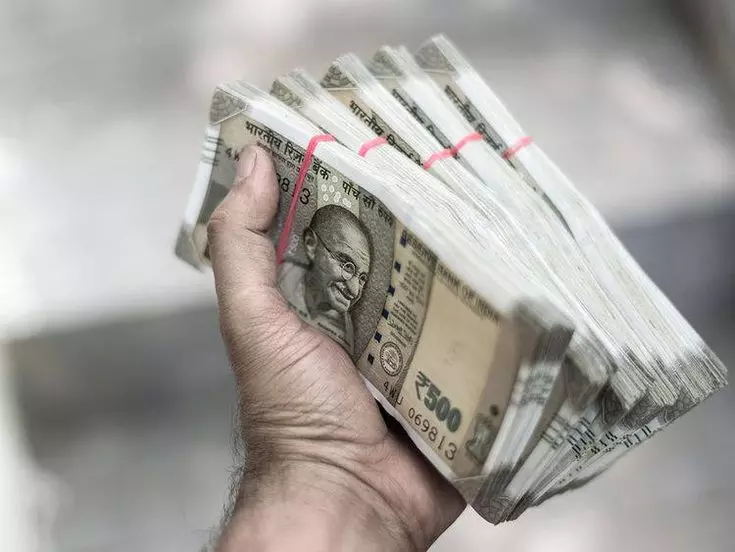
The rupee, which traded near Rs 85 to the US dollar at the start of 2025, has since slid past Rs 90. Economists have filled columns with charts and forecasts. Yet the lived reality is more complicated.
In Kalkaji, as in countless markets across India, you do not yet feel the sting. You can still buy a washing machine at a much less than the price printed on the product packaging. Petrol prices and edible oil have not spiked in recent days. Logically, a weaker rupee should make imports costlier and push up retail prices. But here is the catch.
As former finance secretary and internationally renowned public policy expert Arvind Mayaram puts it: “There is a transmission lag between the depreciation of the rupee and its impact on consumer prices. We will begin to see this in four to six months.” What economists call the “transmission lag” is essentially a buffer created by inventories, contracts, policy interventions, and supply-chain delays. Depreciation raises import costs at the wholesale level, but higher costs filter through slowly before reaching retail.
Consumer durables are still being sold from older inventory bought when the rupee was stronger, and retailers have hedged foreign exchange exposure. Add festive-season promotions, and the result is a temporary cushion for households against what should have been immediate inflationary pass-through.
Tax policy has also played its part. GST rates on essentials remain low, excise duties on fuel have been adjusted. India is the world’s largest importer of edible oils, meeting more than half its consumption through imports, but overall prices have remained relatively stable due to shifting global dynamics and government intervention. These fiscal levers have absorbed part of the shock, ensuring that households do not immediately see the rupee’s weakness reflected in their bills. Petrol and diesel, outside the GST framework, are heavily influenced by excise duty, and the government has repeatedly tweaked these duties to stabilise pump prices.
Currency depreciation does not instantly translate into higher consumer prices. It takes weeks or months for import costs to filter through supply chains. If the rupee stabilises or global prices fall, the expected inflation may never fully materialise. But if the rupee continues to weaken, the lag effect will eventually catch up. And when it does, poorer households could begin to feel the strain within months as everyday essentials -- edible oils, medicines and fuel -- become more expensive, eroding already thin budgets.
The political messaging around the rupee’s depreciation is carefully crafted. A weaker rupee is presented as a boon for exporters, beneficiaries of remittances, and a sign of competitiveness. The narrative suggests the currency’s fall is a strategy, not a weakness. Yet it glosses over the lived reality of many families.
The Narendra Modi government has long harped on aspiration as the defining theme of its politics -- not just jobs or incomes, but lifestyles, global opportunities and consumer choice. But the rupee’s weakness is quietly denting those ambitions.
Overseas education is costlier, foreign holidays dearer, imported goods less accessible. The surface may look calm, but the dreams -- MBA abroad, family holidays, imported gadgets -- are already being reshaped by the currency’s slide. This is the aspiration gap: rhetoric colliding with reality as aspiration is priced out. And beyond the rupee, uncertainties around the India-US trade deal, tariffs, immigration barriers, climate change and rising Western protectionism further dent the aspiration template, narrowing opportunities for Indian households.
The dominant political narrative neglects the backdrop: Steep dents in household budgets, low savings, stagnant incomes and pervasive uncertainty. In just seven years, the number of Indians trapped in debt has more than doubled -- from 12.8 crores in 2017-2018 to 28.3 crores in 2024-2025 -- even as total household debt (preliminary estimates) stands at Rs 15.7 lakh crores. A crashing rupee and stalled incomes have forced millions to borrow just to keep pace.
Families already feel squeezed by rising education, healthcare bills and the immediate hit of overseas travel, where the rupee’s weakness bites instantly. Savings have been declining, with households dipping into reserves. Income growth has stagnated, particularly in urban middle-class segments, where salaries have not kept pace with inflation. Economic uncertainty, job insecurity, rising EMIs and volatile markets have deepened household strain.
Against this backdrop, the rupee’s depreciation is not an abstract macro story but a direct household concern: a slow, grinding erosion of purchasing power. And the paradox is striking: while petrol prices remain stable, edible oil has not spiked, and white goods are even discounted, families are already feeling the pinch in ways that rarely make it into the official narrative.
In Kalkaji Market, I was offered dealer discounts on branded washing machines and told that despite greater localisation, some components are still imported, and white goods and electronics are likely to see upward revisions once fresh import consignments priced at weaker rupee levels hit the market. Edible oil could rise if global supply tightens. Petrol prices, cushioned by duties, will be harder to keep stable if crude rebounds. The reprieve households enjoy today is temporary, and the shock absorber is the household budget waiting to be tested in 2026.
The uneven impact of the rupee’s depreciation is another strand rarely woven into the mainstream political narrative. Those with dollar-denominated incomes, pensions or remittances are not at the same pain point as those dependent on earnings in rupees. Dollar earners feel protected; rupee earners feel exposed. Salaries denominated in rupees lose long-term value; savings lose international purchasing power; global ambitions become harder to fulfil.
The gap is psychological as much as financial. This divide will likely deepen as more companies adopt global hiring and more professionals seek USD-linked income streams. A currency-led inequality -- layered atop existing wealth and opportunity gaps -- may shape India’s socio-economic landscape for years.
Bottom-line: India is living through an artificially calm interlude. Beneath the surface, the rupee’s weakness is eroding household confidence, reshaping ambitions, and compressing future inflation into a pipeline that will eventually burst. The rupee’s weakness has forced families to defer dreams. If the rupee stabilises or global prices ease, aspirations will be rekindled with hope.
