Dilip Cherian l UPSC Draws The Line: Crack IAS or IFS & That’s It

The UPSC has tightened the rules, and the signal is unmistakable: if you are allotted the IAS or IFS, there is no second bite at the cherry. One selection, one outcome. No encore performances
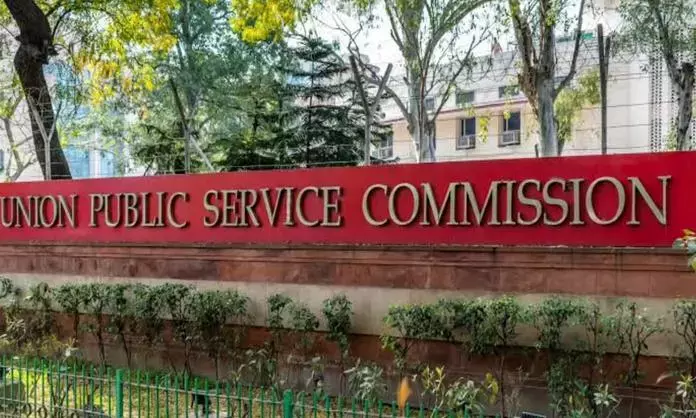
For years, the civil services examination had a convenient loophole. Crack the exam, get into the IAS or IFS, and still return for another attempt, aiming for a better rank, a preferred cadre, or simply a more strategic posting. That option is now history.
The Union Public Service Commission (UPSC) has tightened the rules, and the signal is unmistakable: if you are allotted the IAS or IFS, there is no second bite at the cherry. One selection, one outcome. No encore performances.
For aspirants who treated their first selection as a stepping stone rather than the destination, this is clearly unwelcome news. But from the system’s perspective, the change is long overdue. Allowing already-selected candidates to reappear clogged the pipeline, distorted ranks, and kept fresh candidates waiting. UPSC has chosen decisiveness over tactical cleverness.
The new framework draws a hard line. If a candidate is appointed to the IAS or IFS before the mains of a later exam, they are barred from that attempt altogether. Even if the appointment comes after the mains but before final results, the later performance will not count for service allocation.
The IPS and other Group A services get slightly softer treatment. A one-time exemption allows candidates to defer only the foundation course and reappear, but this is strictly conditional. Failure to join training or secure a formal exemption results in the service allocation being cancelled. Even if selected again, candidates must choose one service. After that, future attempts are barred unless they resign.
The larger message is clear. The civil services are no longer a trial-and-error exercise or an optimisation game. Selection is meant to be an endpoint, not a pit stop. Aspirants may grumble, but UPSC seems intent on restoring a basic principle.
Tamil Nadu's DGP dilemma
Tamil Nadu's stubborn refusal to appoint a regular Director General of Police despite having a UPSC-approved panel since September 2025 isn’t just administrative sluggishness but rather strategic politicking at its finest.
According to sources, the state government is deliberately keeping G. Venkatraman as the "officiating" DGP because temporary appointments offer more control than permanent ones. With the crucial May 2026 Assembly elections looming, having a pliant police chief who serves at the government's pleasure rather than someone with the security of a regular appointment makes perfect political sense.
The Supreme Court's recent rebuke, calling such practices “unacceptable,” hits the nail on the head. But this isn’t just about Tamil Nadu. It’s symptomatic of a broader malaise where states routinely game the system to maintain administrative control over key positions.
The irony is rich: the same political class that lectures about institutional integrity regularly subverts those very institutions when it suits their electoral arithmetic. The three officers on the UPSC panel, Seema Aggarwal, Rajeev Kumar, and Sandeep Rai Rathore, are essentially being held hostage to political convenience.
The timing is telling. The state should have initiated the UPSC process three months before former DGP Shankar Jiwal's retirement in August 2025. Instead, they've created this deliberate delay, banking on the fact that courts move slowly and elections come fast.
The Supreme Court's new directive empowering UPSC to directly approach the court for contempt proceedings is a welcome move. But will it work? That depends on whether states fear judicial consequences more than they value electoral advantages.
Tamil Nadu faces a choice: respect constitutional propriety or continue this cynical game of musical chairs with crucial appointments. Given their track record, don't hold your breath for the former.
EC asserts authority over West Bengal babus
The Election Commission of India (ECI) has flat-out rejected a state government’s plea to keep key officers at home, setting off an administrative standoff in Kolkata. In a move that’s less “polite request” and more “final order,” the EC has insisted that all 25 senior IAS and IPS officers from the West Bengal cadre, including the state’s Home Secretary Jagdish Prasad Meena, must report to New Delhi for the mandatory central observer briefing ahead of the 2026 Assembly polls.
The state government had argued that sending its top brass out of the state during a crucial pre-election period could disrupt law and order and hurt administrative continuity. Nabanna even proposed alternative names, seeking exemptions for nine officers from the EC’s list. But the poll panel wasn’t having any of it. According to sources, multiple exemption requests were considered and rejected, with attendance at the two-day briefing declared compulsory and non-negotiable.
What’s striking here isn’t just the tug-of-war, but what it reveals about the evolving centre-state dance in election management. Traditionally, states could nudge who goes where and when. Not this time. The EC’s firm stance signals a more assertive poll machinery, determined to keep its house in order.
There is, undoubtedly, a bit of theatre in this. With Bengal already a political eye of the storm, the optics of its own Home Secretary being dispatched out of state as an impartial watchdog is eyebrow-raising. Critics sense heavy-handedness; supporters see necessary rigour.
