Dilip Cherian | Haryana Govt In A Dilemma Over Second Extension To Its Chief Secy

If the Centre approves the proposal, Mr Rastogi will remain in office until June 2027
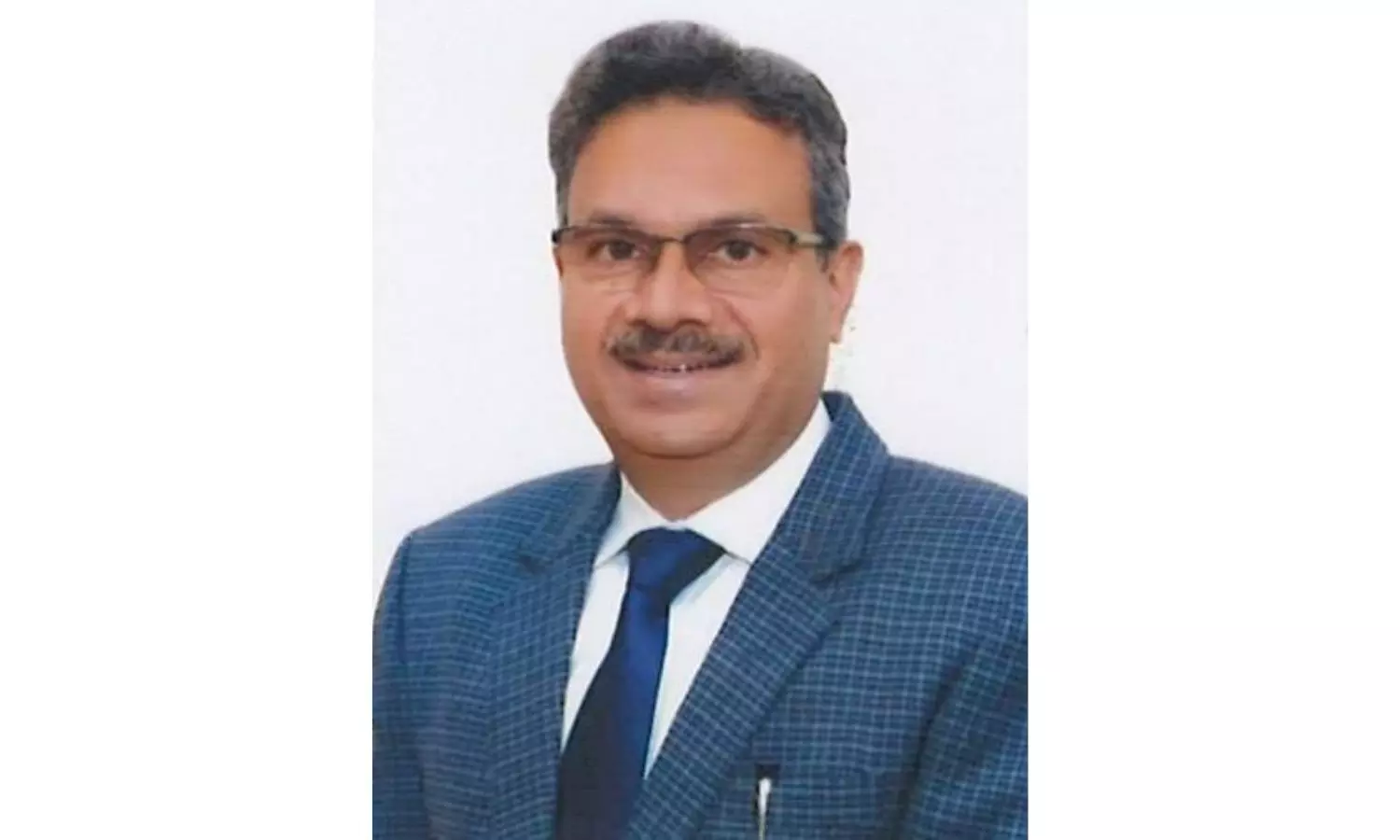
The Haryana government’s bid to secure a second one-year extension for chief secretary Anurag Rastogi is about more than administrative continuity. It is about whether governments are beginning to use service extensions to avoid uncomfortable decisions.
If the Centre approves the proposal, Mr Rastogi will remain in office until June 2027. By then, his two 1990-batch colleagues, Sudhir Rajpal and Sumita Misra, who are senior to him in the gradation list, will have retired. The controversy over their supersession would fade away, not because it was resolved, but because the clock ran out.
The seniority dispute that preceded Mr Rastogi's appointment was never conclusively settled. Extending his tenure again risks creating the impression that delaying a decision is easier than taking one.
The Haryana episode reflects a wider trend. Across the country, governments are increasingly extending the tenures of chief secretaries, DGPs and other top officials in the name of continuity. While the rules permit extensions in exceptional cases, the exception is steadily becoming the norm.
That comes at a price. It blocks career progression, unsettles the administration and weakens confidence in established service rules. More importantly, it suggests that succession planning has taken a back seat to administrative convenience. If governments increasingly rely on extensions to keep trusted officials in office, they risk sending the message that rules are flexible, but only when they suit those in power.
Delhi's babu reshuffle faces a real test
Every new government wants to leave its stamp on the bureaucracy. In Delhi, that process began with a sweeping transfer of more than 50 IAS and DANICS officers. On paper, it's an administrative exercise. In reality, it is a show of power.
Transfers have long been the political class's favourite management tool. They are quick, visible and send an unmistakable message about who's in charge. The latest reshuffle, which affects secretaries attached to several ministers and key officials in the health department, does exactly that. It resets the balance of power inside the administration while allowing the government to put trusted officers in crucial positions.
The timing isn't accidental. The Health Department has been under intense scrutiny, and civic services continue to frustrate Delhiites. Faced with mounting pressure, governments often reach for the transfer order before tackling the harder job of fixing broken systems. Moving officers is easier than reforming institutions.
The trouble is that constant reshuffles rarely come free. Officers juggling multiple departments or being shifted every few months spend less time delivering results and more time figuring out where they'll land next. Long-term planning suffers, accountability gets blurred, and institutional memory takes a hit.
This isn't just Delhi's problem. Every political party, once in office, discovers the usefulness of the transfer file. The Supreme Court has repeatedly argued for fixed tenures to shield civil servants from arbitrary postings, but those recommendations have remained largely on paper. Governments still prefer flexibility over stability because transfers are an effective way to reward loyalty, punish dissent and tighten political control.
So, the success of this exercise won't be measured by the number of babus who changed offices. It will be measured by whether Delhi's residents see cleaner hospitals, better civic services and a government that works faster. They expect tangible outcomes, not mere optics.
Amarinder Singh still casts a long shadow
The closer Punjab gets to the Assembly election, the more important the bureaucracy becomes. That's why the Bhagwant Mann government can hardly afford to ignore the lingering influence of former chief minister Captain Amarinder Singh.
Amarinder has been out of office since 2021. His political outfit has merged with the BJP, and he is no longer at the centre of Punjab's electoral politics. Yet, in Chandigarh's babu circles, the Captain is widely believed to retain the respect and the ear of many senior officials. Whether that influence is exercised or merely perceived is beside the point. In politics, perception often shapes decisions.
Bureaucracies don't change with every election. Relationships built over decades tend to outlast governments. Having served two terms as Chief Minister, Amarinder cultivated a network of officers who know his style of functioning and trust his judgement. Those equations cannot be wished away with a change of regime.
That also explains why babu reshuffles become more frequent as elections approach. Officially, they are about administrative efficiency. Unofficially, they help governments tighten control over the machinery that will implement policies and, eventually, oversee the electoral process.
Punjab has seen three governments in five years, from Amarinder Singh to Charanjit Singh Channi and then Bhagwant Mann. Each transition triggered sweeping transfers, underlining an old truth of Indian politics: control over the babus is as critical as control over the legislature.
Amarinder may no longer command the political stage, but influence in public life doesn't always travel with office. It often survives in institutional memory, personal credibility and long-standing relationships. As Punjab heads into another election, that lingering influence is enough to keep Mann and Co. looking over their shoulders.
