Devi Kar | Why Children Must Learn To Accept Any Criticism… Leaders, Writers, Artists Too

This rot can be traced to early childhood. For decades, criticism or negative remarks about children were frowned upon. Today, even the way teachers correct students must be done mildly so that their self-belief remains intact. Teachers find it difficult to be artificially restrained, and it is seen that excessive political correctness ends in covering up the truth
We have all noticed how some political leaders have become so averse to criticism that even comedians are afraid to open their mouths lest they are taken to task. There is a general murmur about shades of dictatorship prevailing, when ordinary citizens become wary about criticising their government. Like the story about the little boy and the king without any clothes, leaders are basking amid fans and flatterers, while critical judgement is rare. The media is influenced, intimidated or owned, and there is no way leaders can be sensitised to flaws in their policies until it’s too late.
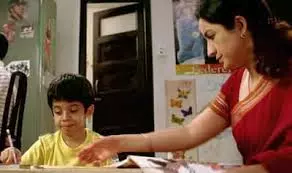
This rot can be traced to early childhood. For decades, criticism or negative remarks about children were frowned upon. Today, even the way teachers correct students must be done mildly so that their self-belief remains intact. Teachers find it difficult to be artificially restrained, and it is seen that excessive political correctness ends in covering up the truth. It is important that children learn to receive and process honest criticism. The criticism should certainly not be unduly harsh and it should be made with the sole intent of improving or at least of drawing meaningful attention to the work or behaviour under consideration. A proper appraisal of any work involves criticism.
But a strange malady has struck today’s parents: they are either blind to their offspring’s blemishes or they don’t want to face them. They are constantly praising and complimenting their children and tend to be partial to the teachers who do likewise. No wonder children are becoming less discerning -- though more competitive -- these days. It’s not about the quality of their work but who have scored more. The two meanings of the term “criticism” are: “the expression of disapproval of something that is perceived to be faulty or blemished” and “the analysis and judgement of the merits and faults of a literary or artistic work”. We should be able to accept criticism of both kinds. If someone expresses her dislike of something you have done or said, he/she is free to do so. Anyway, everyone does not criticise out of malice. Voltaire was supposed to have said: “I disapprove of what you say, but I will defend to the death your right to say it.” And this attitude is admired to this day except that people, and especially people in power, are becoming increasingly intolerant of criticism.
It is the same with parents of schoolchildren. Teachers today have to stretch their imagination to think of suitable euphemisms to use in their remarks about their students when it is time to send reports home. Some years ago, it was perfectly acceptable to call a spade -- well, a spade. But now you need well-honed mental skills to be able to read between the lines and successfully “decode” your child’s report. Of course, you can choose to remain unenlightened and take what the report says at face value. Teachers know very well they cannot write in negative terms about any child -- no matter how difficult, wayward, uncooperative or disruptive he/she may be. Parents are lulled into a happy state of fulfilment when they see words like “energetic”, “spirited”, “satisfactory”, “fair”, and so on. “Readily takes part in discussions” is likely to mean “talkative” while “keeps trying” means “still hasn’t been able to pick up much”. And when a teacher writes that she hopes X enjoys his next year in school, parents probably don’t realise that the teacher would have loved to add: “I know I will, without his terrifying presence!”
But why are we bending over backwards to cover up the truth? Simply because schools cannot afford to displease parents by being forthright. All parents wish to be told what treasures their children are. They want to be assured of their multiple talents, people skills and potential for future success in life. And a school that does so will always be wholeheartedly supported by them.
The blocking of criticism is of late being associated with restraints on free speech, which the public feels is their right in a democratic country. However, ironically, it is in some democracies that a kind of censorship is in effect which shields the government from any kind of serious denunciation. Yet, it is in the name of free speech that political leaders keep hurling abusive criticism at each other and there seem to be no checks on that.
What is dangerous is the trend to prevent all criticism and pretend that everything is perfect. In such a climate, where the “yes men” are the trusted ones and only flatterers flourish, cracks in the structure widen and deepen. The disintegration of the whole edifice, grand though it may seem for the time being, is imminent. Simply because in the absence of constructive criticism the weaknesses, flaws and blemishes in the structure have been disregarded. The weighing, the checking, the doubting are all essential to any stable system as it is to an individual.
In this context I am reminded of the forms we had to fill up for high school students applying for seats in colleges and universities in the United States. One of the required criteria that we teachers had to indicate for each applicant was his/her “response to criticism”. By then, I knew how important it was to have a healthy attitude towards criticism for any worthwhile learning to take place.
In conclusion, one should mention the vital role of critics in the visual and performing arts. It has been said that critique “helps improve art, fosters critical thinking, prepares artists for the professional world, and is essential for growth and development”.
Perhaps it is also pertinent to note that only secure and self-confident persons, who wish to improve, welcome criticism.
