Chandrakant Lahariya | The Adulteration Of Food Is A Silent Assault On Health, Safety of Indians

The health consequences are both immediate and cumulative. The digestive system is typically the first to suffer
In early February 2026, the police in Rajasthan’s Tonk district uncovered a factory allegedly supplying nearly 80,000 litres of adulterated milk every day to Ajmer, Tonk and Jaipur. The scale was staggering, but the episode itself was not unusual. Across India, reports of contaminated milk, spurious spices, diluted oils and food poisoning surface with troubling regularity. Yet these incidents rarely provoke sustained public concern. Food adulteration has quietly become one of the country’s most pervasive -- and under-addressed -- public health threats.
Milk occupies a central place in Indian diets. It is a primary source of protein and calcium for children, an affordable nutritional staple for families, and a dependable source of strength for the elderly. When milk is laced with urea, detergents or synthetic chemicals, the betrayal is profound. What is meant to nourish instead harms. Such cases are not just criminal violations; they represent a systemic failure to protect the foundations of health.
Food adulteration is not unique to India, but its scale and normalisation have grown. Milk diluted with hazardous additives; ghee and edible oils mixed with inferior fats; spices coloured with industrial dyes; sweets prepared with substandard or synthetic khoya; pulses polished to enhance appearance; honey blended with sugar syrup; and fruits and vegetables carrying excessive pesticide residues -- these are no longer rare findings. Importantly, the problem is not confined to informal markets. Independent testing has at times revealed substandard products even within organised retail, indicating vulnerabilities across supply chains.
During festive seasons, when demand spikes, adulteration often rises. History offers sobering reminders: argemone oil mixed with mustard oil has caused outbreaks of epidemic dropsy, while toxic dyes such as metanil yellow have been detected in turmeric. These are not minor deviations in quality but serious health hazards. Food adulteration is therefore not merely a regulatory lapse; it is a direct assault on public health.
Although cases frequently emerge from large and densely populated states such as Uttar Pradesh, Rajasthan, Madhya Pradesh, Bihar, Maharashtra and the Delhi-NCR region, the issue is nationwide. Wherever demand is high and oversight weak, malpractice thrives. Rapid urbanisation and long, complex supply chains have widened the gap between producers and consumers. In this distance, accountability diminishes. Competitive pressures and the pursuit of higher margins create incentives for unethical shortcuts, often at the expense of safety.
The health consequences are both immediate and cumulative. The digestive system is typically the first to suffer. Chemically contaminated food can trigger vomiting, diarrhoea, abdominal pain and gastroenteritis. Repeated exposure damages the intestinal lining, impairing nutrient absorption. In children, stunting and anaemia are often blamed solely on insufficient intake, but compromised food quality may be equally responsible. Nutrition is not simply about quantity; it is about safety and biological value.
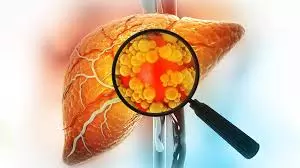
Beyond the gut, internal organs silently bear the burden. The liver, responsible for detoxifying harmful substances, must process the chemicals introduced through adulterated food. Persistent exposure increases toxic stress, contributing over time to fatty liver disease, inflammation and, in severe cases, liver failure. The kidneys, which filter blood and remove waste, face similar strain. Heavy metals and chemical contaminants can gradually impair renal function, increasing the risk of chronic kidney disease.
Cardiovascular health is also affected. Adulterated oils and trans-fat-laden substitutes elevate LDL cholesterol, accelerating plaque formation in arteries and raising the risk of heart attacks and strokes. Some artificial additives may promote chronic low-grade inflammation, now recognised as a driver of non-communicable diseases such as diabetes and cardiovascular disorders. The damage is often invisible at first -- slow, incremental and cumulative.
Children and pregnant women are particularly vulnerable. Growth and development depend on consistent, high-quality nutrition. Exposure to contaminants during critical developmental stages can impair physical growth and cognitive outcomes. Certain chemicals interfere with endocrine function, potentially contributing to thyroid and metabolic disorders. The effects may extend across generations, shaping long-term health patterns.
This raises an uncomfortable question: how resilient are our bodies to sustained low-dose exposure to toxins? Human physiology is remarkably adaptive, but resilience is not limitless. When harmful substances enter the body daily, even in small amounts, cumulative damage gradually erodes organ function. Illness may not appear immediately, fostering complacency. Years later, chronic disease emerges, often without obvious links to dietary exposure.
India established the Food Safety and Standards Authority of India (FSSAI) in 2006 to regulate food quality. The legal framework exists, and periodic crackdowns occur. However, regulation without consistent enforcement offers limited protection. Surveillance must be routine rather than reactive. Laboratory capacity and testing infrastructure need to be strengthened. Penalties must deter rather than merely reprimand. Transparency in inspection findings and accountability across supply chains are essential.
Consumers, too, can play a crucial role. Scrutinising labels, purchasing from trusted sources, preferring fresh and minimally processed foods, and reporting suspicious products can collectively reduce risk. Media, civil society and professional bodies must sustain attention on food safety beyond episodic scandals. Public awareness can act as a powerful complement to regulatory oversight.
Ultimately, the Tonk episode is a warning. Food is not an ordinary commodity; it is the basis of life and health. When that foundation is compromised, the consequences ripple through families and health systems alike. No organ -- however robust -- can indefinitely withstand continuous toxic exposure. Protecting food integrity is therefore not merely a matter of compliance but a public health imperative.
India’s ambitions of economic growth and demographic advantage depend on a healthy population. Ensuring safe, unadulterated food is among the most fundamental investments in that future. The challenge is substantial, but the cost of neglect is far greater -- measured not only in hospital admissions and chronic disease, but in the gradual erosion of trust in the very food that sustains us.
Dr Chandrakant Lahariya is a practicing cardio-metabolic physician and specialist in public health policy
