Anita Anand | The Romance And The Tragedy Of The Monsoon In India

The rains have inspired countless works of literature and art. Indian poetry often celebrates the beauty and romance of the monsoon. Kalidasa’s Meghaduta, a renowned Sanskrit poem, tells the story of a lovelorn yaksha, a nature spirit, who sends a message to his distant beloved via a monsoon cloud. The description of the monsoon landscape evokes the season’s emotional and sensory experiences
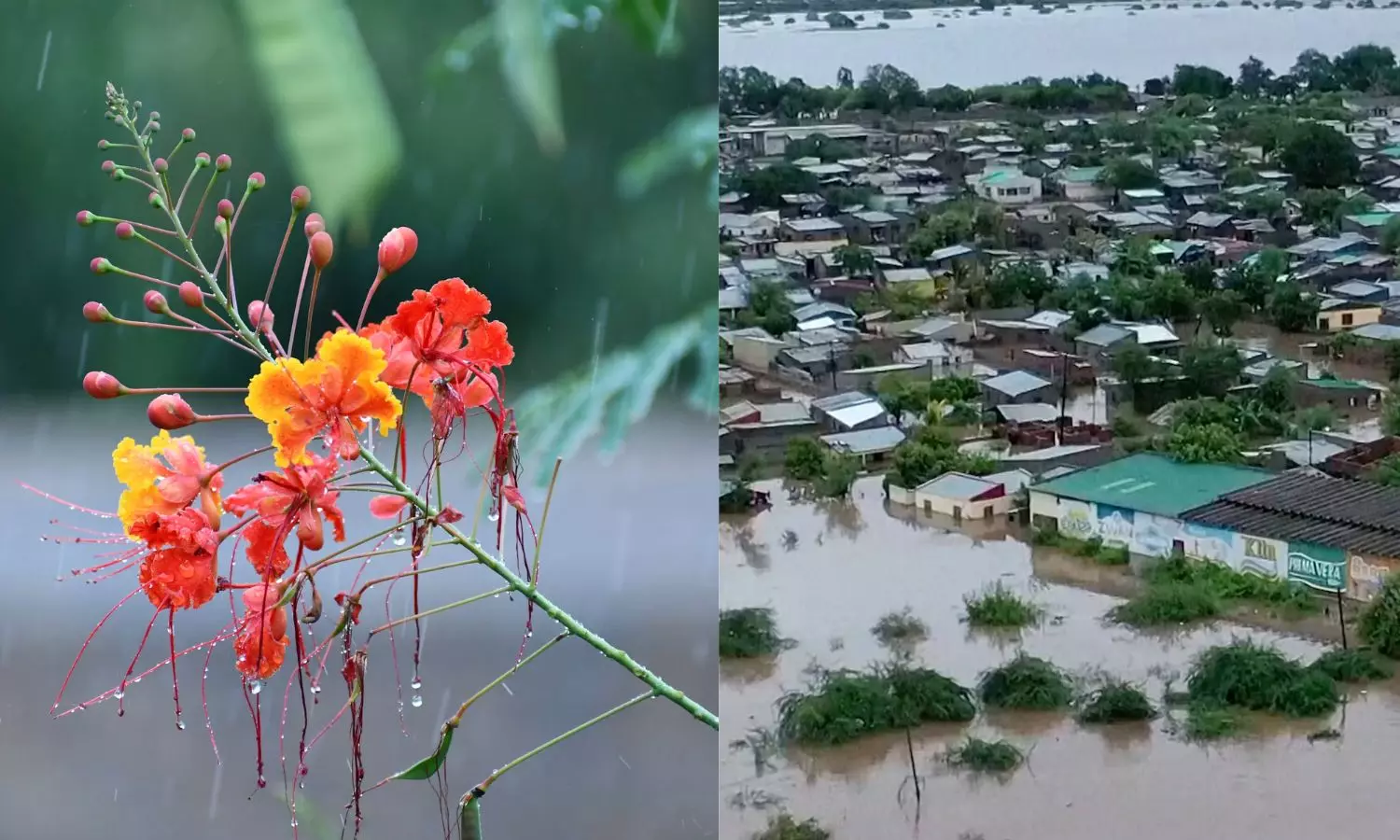
It’s that time of the year again.
The season that Indians look forward to after the searing heat of summer is the monsoon.
The heavens open, dark clouds roll in, and thunder and lightning herald the rain. The first monsoon rain touches the earth, releasing petrichor, the aroma of the earth. Everyone is overjoyed, humans, nature and animals alike. It’s a relief.
In some ways, the anticipation of the monsoon season is also met with some trepidation.
In India, Sri Lanka and Bangladesh, the monsoon typically runs from April to September, bringing essential rainfall for agriculture and water resources. The rains replenish rivers, aquifers, and ecosystems, but excessive rainfall can also trigger floods, landslides and other hazards.
Over the years, due to maldevelopment and a lack of understanding and appreciation of how the natural ecosystem functions, the negative impact of the monsoons has become more severe. In urban areas, overcrowding and the lack of expansion and management of urban services have also led to overflowing sewage systems, infections, and water contamination, resulting in serious air- and water-borne diseases.
Residents of Mumbai, for example, are used to the streets flooding with almost half a metre (1.5 feet) of water every monsoon. If it’s a torrential flood, it devastates the city, with entire neighbourhoods submerged and life grinding to a halt. In recent times, this phenomenon has spread to other large and smaller cities and towns.
In rural areas, mudslides can bury villages and destroy crops. Small and medium farmers with no backup for compensation for crop losses suffer significantly. The lack of adequate healthcare further exacerbates their situation.
The Indian monsoon is an integral part of the country’s culture, deeply rooted in its folklore, mythology and traditions. In folklore, the monsoon rains are regarded as a divine blessing, bringing relief from the summer heat and nurturing the land. Folk tales and songs celebrate the monsoon’s arrival, portraying it as a time of joy and abundance.
The rains have inspired countless works of literature and art. Indian poetry often celebrates the beauty and romance of the monsoon. Kalidasa’s Meghaduta, a renowned Sanskrit poem, tells the story of a lovelorn yaksha, a nature spirit, who sends a message to his distant beloved via a monsoon cloud. The description of the monsoon landscape evokes the season’s emotional and sensory experiences.
Numerous paintings and sculptures depicting rain-laden clouds, dancing peacocks, and lush green landscapes highlight the monsoon’s aesthetic and spiritual dimensions. The Nobel-winning writer and artist Rabindranath Tagore, in his collection Gitanjali, writes about the joy and rejuvenation that accompany the rains. For Tagore, the monsoon is not merely a natural phenomenon but a profound experience that awakens the senses and the soul.
In Indian classical music, monsoon ragas such as Megh Malhar and Desh are traditionally performed during the rainy season and are believed to evoke the monsoon mood, with melodic patterns that mimic raindrops and thunderstorm rhythms.
The downsides of monsoons include severe flooding, damage to infrastructure, and health risks from water-borne diseases. These disrupt daily life and strain local economies and resources. Excessive rainfall can cause floods that wash away homes and crops, with long-lasting effects on communities, especially in areas where infrastructure is already weak.
Flood waters provides a breeding ground for disease, further worsening health concerns among affected populations.
According to the Climate Impacts Tracker Asia, between 1995 and 2024, India has repeatedly endured cyclones, floods and deadly heatwaves. In total, there were 430 events, leaving 80,000 dead, 1.3 billion affected and causing $170 billion in losses.
Every year, the media reports the loss of lives, land and property across various states due to heavy rainfall and flooding. Environmentalists and researchers have pointed out the government’s lack of essential preparedness and resilience to prevent such tragedies.
Several solutions have been proposed but largely ignored by the government, which is primarily interested in optics.
According to policy analyst and author Amal Chandra, the challenges posed by the monsoon require a multi-faceted approach. These include infrastructure upgrades, policy reforms and climate adaptation strategies. Modernising urban drainage systems is crucial to effectively handle increased rainfall volumes.
Mr Chandra further suggests implementing sustainable urban drainage systems that mimic natural processes to manage surface water, thereby easing pressure on existing infrastructure. He recommends protecting and restoring natural water bodies and wetlands, which serve as natural flood buffers and are essential to effective water management.
Much of the devastation stems from encroachments and violations of land-use regulations. These need to be monitored. At the Central government level, the National Disaster Management Authority prepared a National Disaster Management Plan in 2016, which was updated in 2019. It provides a framework and direction for government agencies across all phases of the disaster management cycle. It is a strategic tool in further strengthening disaster-resilient development in the country.
The plan’s guidelines need to be implemented and monitored at the state and local levels, with improved early warning systems and stronger inter-agency coordination. Regular flood drills and community awareness programmes are vital for preparing populations for monsoon-related disasters.
India is a large country, and implementing policies and programmes is a challenge. As a society, we have a certain degree of fatalism, and despite our good intentions, we find it hard to learn from the history of natural and human-made disasters and prevent them. Despite technological advances in disaster forecasting, solutions still evade us. For a country that is a nuclear power and sends satellites to the moon, we cannot handle the disasters on Earth. That is a tragedy.
The monsoons bring clouds, rain, romance and cheer. They also bring floods, disasters and sickness. Side by side.
