Anita Anand | Do We Work to Live or Live to Work? Do Longer Hours Raise Our Productivity?

Mr Murthy’s call for the “9-9-6” formula essentially applies to employees in the organised sector, such as the government, state-owned enterprises and private companies
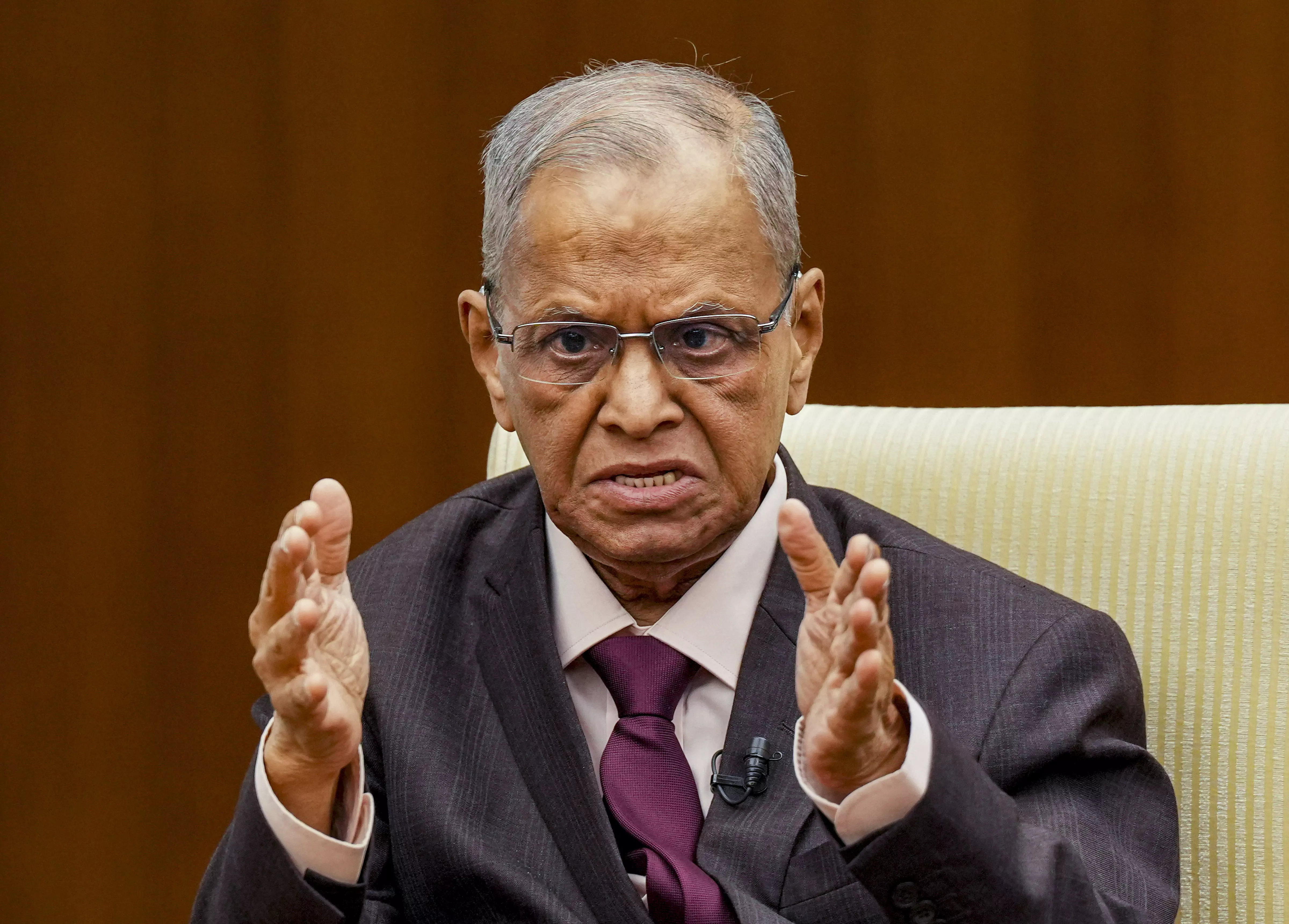
A couple of years ago, a statement by Infosys founder N.R. Narayana Murthy advocating a 70-hour workweek had led to a lot of controversy. In October 2023, Mr Murthy called for a 70-hour workweek, stating that for India to compete with the world’s fastest-growing countries, such as China and Japan, young people must work 70 hours a week. He praised the Chinese “9-9-6” formula, which involves working from 9 am to 9 pm, six days a week, totalling 72 hours.
The “9-9-6” rule had been declared illegal by China’s Supreme People’s Court in 2021 for violating labour laws that set a standard workday of eight hours and a workweek of 44 hours.
Mr Murthy’s call received backing from some corporate leaders and opposition from others. At the core of this debate are some key questions. Do longer working hours always result in higher productivity? Should India follow China’s example? What are the drawbacks of extended working hours?
Mr Murthy’s call for the “9-9-6” formula essentially applies to employees in the organised sector, such as the government, state-owned enterprises and private companies.
There are approximately 625 million people in India’s labour force, with six hundred million currently employed. Agriculture employs just under half of India’s workers, or 280 million people, while industry employs 150 million and services 180 million. The remaining roughly twenty-five million are unemployed. More than 94 per cent of workers are employed
in unincorporated, unorganised enterprises, ranging from pushcart vendors to home-based businesses.
For both organised and unorganised sectors, longer work hours do not necessarily boost productivity. According to the International Labour Organisation (ILO), the average working hours in India are around 48.5 hours per week. Productivity is low due to rigid work ideologies, hierarchical structures, and low levels of educational and technical skills.
How have longer working hours affected Japan and China, which Mr Murthy recommends India should follow?
In Japan, the salaryman (primarily men) is a white-collar worker who must demonstrate complete loyalty and dedication to the employer. They are often expected to work over 80 hours per week. They socialise with colleagues and bosses by singing karaoke, drinking, and visiting hostess bars, leaving little time for family or other pursuits. The emerging IT sector also demands long working hours. Work-life balance in both industries is a major concern due to the long hours, which puts them at risk of “karoshi”, or “death by overwork”.
In China, it is estimated that more than three-quarters of urban workers in major cities like Beijing, Shanghai, and Guangzhou experience work-related fatigue, musculoskeletal pain, sleep or eating disorders, occupational stress, and work-family imbalance. According to China’s state-owned People’s Daily, a 2013 survey revealed that 98.8 per cent of Chinese IT industry workers reported health issues. Numerous overwork-related deaths and suicides have occurred over the past decades due to the “9-9-6” system and other overtime work arrangements.
The workplace is changing. Consider self-employment, which has created most jobs in India’s economy. The HSBC Bank’s Employment Trends in India report shows that the numbers increased from 23.9 crores in 2018 to 35.8 crores in 2024. This seven per cent annual growth rate makes self-employment the fastest-growing part of India’s labour market, surpassing both salaried jobs and casual work. After the Covid-19 pandemic, new ways of working appeared. Workers can be at the workplace and/or work from home. It reduces travel time and provides more time for a private life.
Is there life beyond work? Yes.
Over the past several decades, there has been a global call for a better work-life balance to improve physical and mental well-being. This includes time with family, friends, and engaging in activities a person enjoys. Both men and women should be encouraged to share homemaking and child-care responsibilities (if there are children) and be more involved in their communities.
The Economic Survey 2024 highlights that spending long hours at one’s workplace is “detrimental” to mental well-being and that individuals who work 12 or more hours a day experience distressed or struggling levels of mental well-being.
Labour codes help establish a healthy balance between work and rest. On November 21, 2025, India replaced twenty-nine old labour laws with four new labour codes, altering workplace rights. Employees will now receive timely wages and gratuity, fixed work hours, stricter safety standards and free health services. Notable changes include a flexible four-day workweek (up to 12 hours per day, up to 48 hours per week), a 12-hour minimum rest period between shifts, and double overtime pay. The codes also expand work opportunities for women, with safety measures in place. Of course, implementation is the key.
Increasing India’s productivity requires more than just working longer hours. It needs modern infrastructure, a literate and skilled workforce, and progressive workplace policies to create an environment that satisfies workers’ needs and realistic productivity goals. Employers can support work-life balance by adopting flexible work policies, promoting time off and breaks, fostering a culture that values balance, training managers to recognise burnout, and providing resources for mental and physical health.
Mr Murthy recently clarified that he regarded the 70-hour workweek as a goal, and he personally worked those hours for 40 years of his career. He acknowledged that there are other models, but emphasised that productivity requires hard work.
The controversy sparked by Mr Murthy’s remarks is beneficial. It promotes discussion of critical issues, such as the meaning of work and productivity. Should we blindly assume that other countries serve as role models? What is the Indian reality? What is work really about?
Then, there is also the existential question. We struggle to lead an authentic life despite the apparent absurdity or incomprehensibility of existence. In examining meaning, purpose, and value, existentialist thought often includes concepts such as existential crises, angst, courage, and freedom. And the meaning of work.
Can Mr Narayana Murthy address this?
