DC Edit | Ajit Pawar Demise a Sombre Turning Point

The recently concluded civic elections in Pune and Pimpri-Chinchwad in January 2026 served as a pilot project for reconciliation.
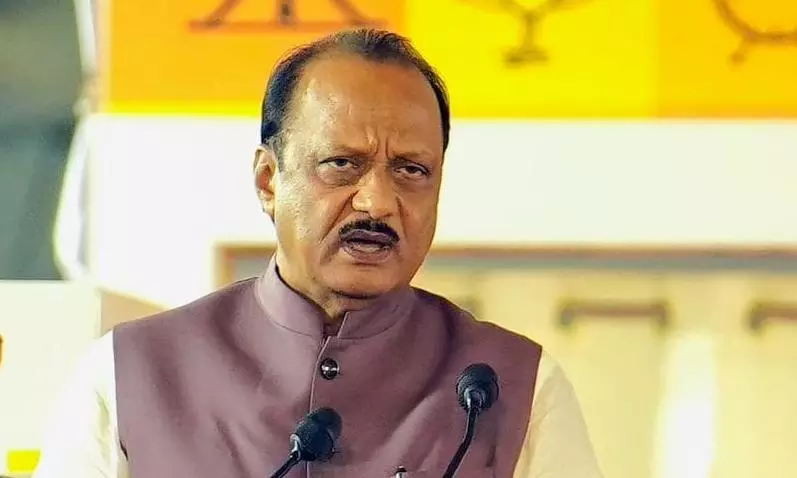
The tragic demise of Maharashtra’s deputy chief minister, Ajit Pawar, in a plane crash at Baramati marks a somber turning point in the state and national politics. As the dust settles over the charred remains of the Learjet 45 involved in the tragedy, the state mourns a leader who was often described as the “perpetual Deputy CM” — a man of administrative grit whose influence over the cooperative sector and the state’s treasury was unparalleled. His detractors saw in him an autocratic style, while his admirers praised him as a decisive leader who cut through red tape to deliver results.
For decades, the Pawar name has been synonymous with power in Maharashtra. Known affectionately as “Dada”, Ajit Pawar’s sudden exit leaves a massive vacuum that complicates the already fractured legacy of the clan.
Within the Ajit Pawar-led NCP, the question of leadership now looms large. While his sons, Parth and Jay, have been active, they lack the “Dada” persona — that blend of accessibility, blunt honesty and iron-fisted control over local cadres that their father possessed.
The split between Ajit and his uncle, Sharad Pawar, was a deep-seated wound in the family. With Ajit gone, the “rebel” faction faces an existential crisis. Will the MLAs who defected with him drift back to the senior Pawar’s fold, or will they seek a new identity under the Mahayuti alliance?
Sharad Pawar, the patriarch who has weathered every political storm, now faces a personal and political challenge. While the rivalry was fierce, the blood ties remain. The recently concluded civic elections in Pune and Pimpri-Chinchwad in January 2026 served as a pilot project for reconciliation. The sight of Ajit Pawar and Supriya Sule sharing a stage to release a joint NCP manifesto was more than just a “seat-sharing” arrangement — it was a public signal that the family had resolved its internal frictions. Before the crash, there was a deafening buzz about a formal political reunion. This tragedy might either trigger a sentimental reunification of the NCP or lead to a final, messy disintegration of the influence of the clan.
The involvement of a Learjet 45, mid-size business jet aircraft, in this tragedy adds a layer of bafflement. Produced by Bombardier, the Learjet series is known for its safety records. The details emerging from Baramati Airport suggest a harrowing final few minutes. Prima facie reports indicate that the pilot encountered a technical snag during the initial landing phase. The aircraft reportedly abandoned its first approach, circled the airport, and crashed during a second attempt. In private aviation, the pressure to meet tight political schedules can sometimes lead to operational risks that the aircraft, despite its engineering brilliance, cannot overcome.
As Maharashtra enters a period of mourning, the investigation must go beyond the cockpit. We need to know if the pressures of a hectic political schedule compromised safety standards. The tragedy has left the “Pawar Brand” at a crossroads. The family and political factions may unite, but the administrative vacuum left by Ajit Pawar — the man who knew every file and every worker by name — is a gap that no political merger can easily bridge.
