World Welcomes, Israel Rejects US-Iran Peace Deal

While most nations welcome the possible end of war in the region, Israel has dismissed the peace talks and has stated that ‘we are not partners to it’
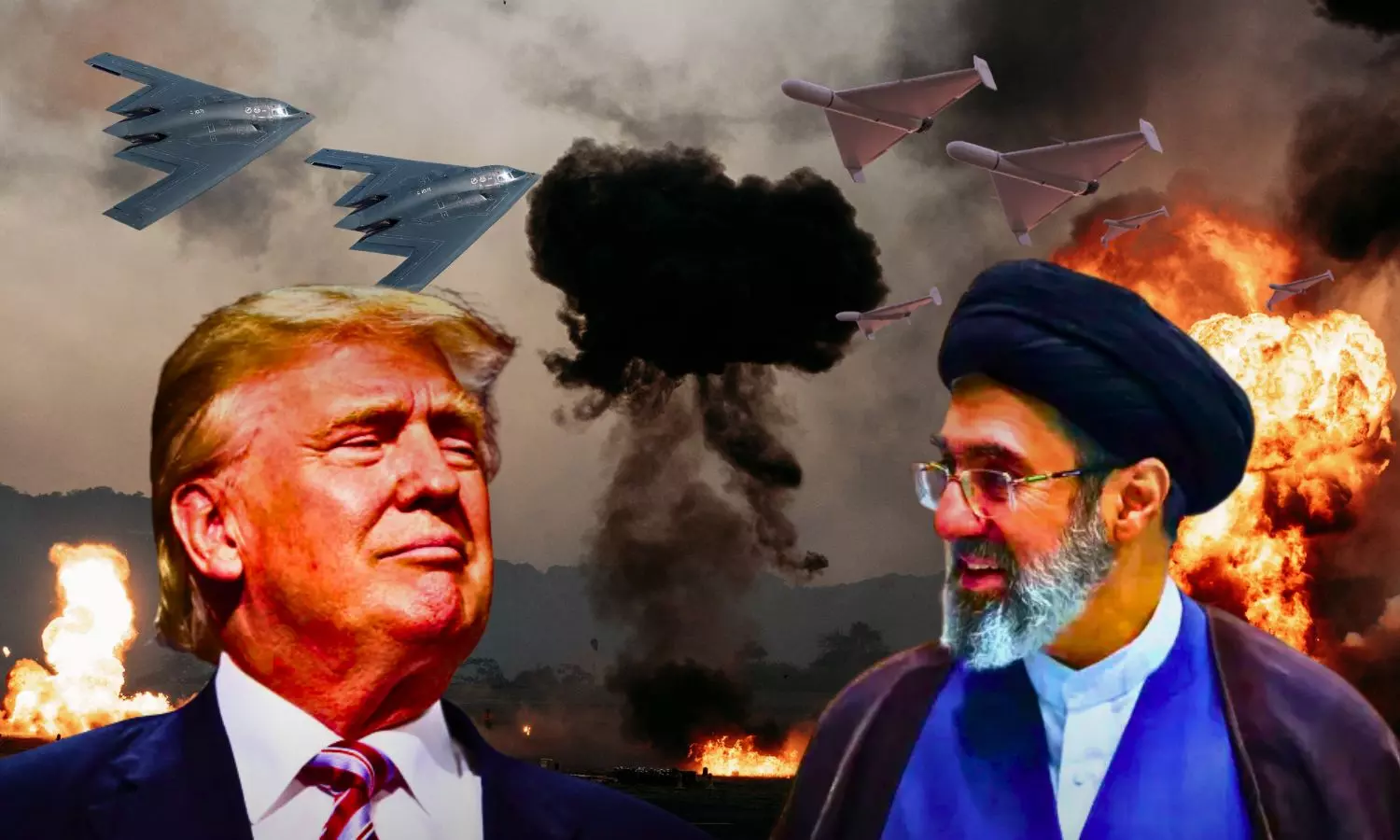
As the United States of America and Iran agreed to end the 107-day long war that has held the world on an economic chokehold, reactions from global players including the United Nations, European Union and other nation states poured in.
While most nations welcome the possible end of war in the region, Israel has dismissed the peace talks and has stated that ‘we are not partners to it,’ declaring that the nation is not bound to the ceasefire.
Europe Calls for “Lasting Peace”
The EU's top officials Monday welcomed a deal between the United States and Iran to end the Middle East war, saying Europe was ready to contribute to "a lasting peace".
"I look forward to an end to this costly war and to the full restoration of freedom of navigation in the Strait of Hormuz," Antonio Costa, the president of the European Council representing member states, wrote on X.
"Weapons must now fall silent," Costa urged, saying the "European Union is ready to contribute to advancing a comprehensive strategy for lasting peace across the Middle East."
The United States and Iran said they had reached a deal to end the Middle East war on all fronts including Lebanon, and reopen the vital Strait of Hormuz, though they offered little indication on the thorny question of Tehran's nuclear programme.
European Commission chief Ursula von der Leyen stressed the "priority now is its swift and full implementation" -- calling on "all parties to respect Lebanon's sovereignty and territorial integrity and implement a genuine ceasefire."
"There can be no peace in the Middle East while Lebanon is in flames," she warned, adding that Hormuz reopening was "essential for regional stability and the global economy" and that a final deal "should end Iran's nuclear and ballistic programmes and its destabilising activities in the region."
Heading into talks with the bloc's foreign ministers, EU top diplomat Kaja Kallas said ministers would discuss Monday "how the EU can be closely involved in the next phase."
French President Emmanuel Macron said that a UK-French mission was ready to help with Hormuz navigation, while UK Prime Minister Keir Starmer said the UK was also ready "to offer support on mine clearance" and that "Iran must never have a nuclear weapon".
The World Welcomes Ending of War
UN Secretary-General Antonio Guterres welcomed the peace deal as a "critical step towards the peaceful settlement of the conflict".
Indian Prime Minister Narendra Modi welcomed the peace deal. In a post made on X, he said “I welcome the understanding reached between the United States and Iran on ending the conflict in West Asia, which has caused serious economic disruption across the world and led to loss of life in many countries.” He added that “India hopes that the implementation of this understanding will help restore peace and stability in the region and ensure the freedom of navigation and commerce. We look forward to deliberations on the remaining issues reaching a sustainable final agreement.”
Pakistan Prime Minister Shehbaz Sharif, whose country mediated the talks, told lawmakers: "Today, the world has seen a historic step towards peace. After the darkness of war, the sun of peace has risen."
Egypt's foreign ministry said in the country "hopes that this agreement will constitute a major turning point toward strengthening mutual trust, laying new foundations for cooperation, creating a supportive environment for peace and advancing diplomatic efforts aimed at addressing remaining regional issues".
Saudi Arabia's foreign ministry said a lasting deal should be one "that takes into consideration the security interests of regional states, sticking to the principle of non-interference in the interior affairs of other countries".
Qatar's foreign ministry expressed its "full support for all efforts and initiatives aimed at enhancing regional security and stability."
China commends Pakistan over the nation’s efforts in the negotiations that have finally led to the agreement between the US and Iran. "China welcomes the agreement reached between the United States and Iran... and expresses appreciation for the mediation efforts made by Pakistan," a foreign ministry spokesperson said.
Japanese Prime Minister Sanae Takaichi said she hopes that "free and safe navigation through the Strait of Hormuz will actually be ensured, and that a final agreement on Iran's nuclear issue and other matters will be achieved as soon as possible".
"We trust that the peace agreement announced today will help bring an end to this senseless tragedy, that it will be respected by all parties, and that it will mark the beginning of a new chapter in the Middle East," Spanish Prime Minister Pedro Sanchez wrote on X.
"Let us celebrate. But let us not forget. And let us learn, once and for all, that war is a failure. Dialogue and diplomacy are the only way forward," he said.
Israel Rejects Peace Deal
Israel's defence minister Israel Katz said Monday that Israeli forces would remain in Lebanon, Syria and Gaza indefinitely and warned Israel would retaliate with "full force" if Iran attacked it in response to its campaign in Lebanon.
Israeli troops "will remain in the security zones in Lebanon, Syria and Gaza for an unlimited period of time, in order to protect the border and Israeli communities from there against jihadist elements", Israel Katz said in a statement.
Far-right national security minister Itamar Ben Gvir earlier wrote on X: "(US President Donald) Trump's agreement does not bind us."
“The people of Israel is a people of 3,000 years, the eternal people that does not fear a long road; we have faith in the Creator of the Universe, we are a strong and proud people that returned to its homeland strong and proud, and does not intend to lower its gaze before enemies anymore,” Ben Gvir added.
