SC Entrusts CBI with Pan-India Probe into Digital Arrest Cases

1 Dec 2025 4:24 PM IST1 Dec 2025 4:24 PM IST
RBI pulled up for not using AI to freeze accounts, all states told to give consent to CBI for probe
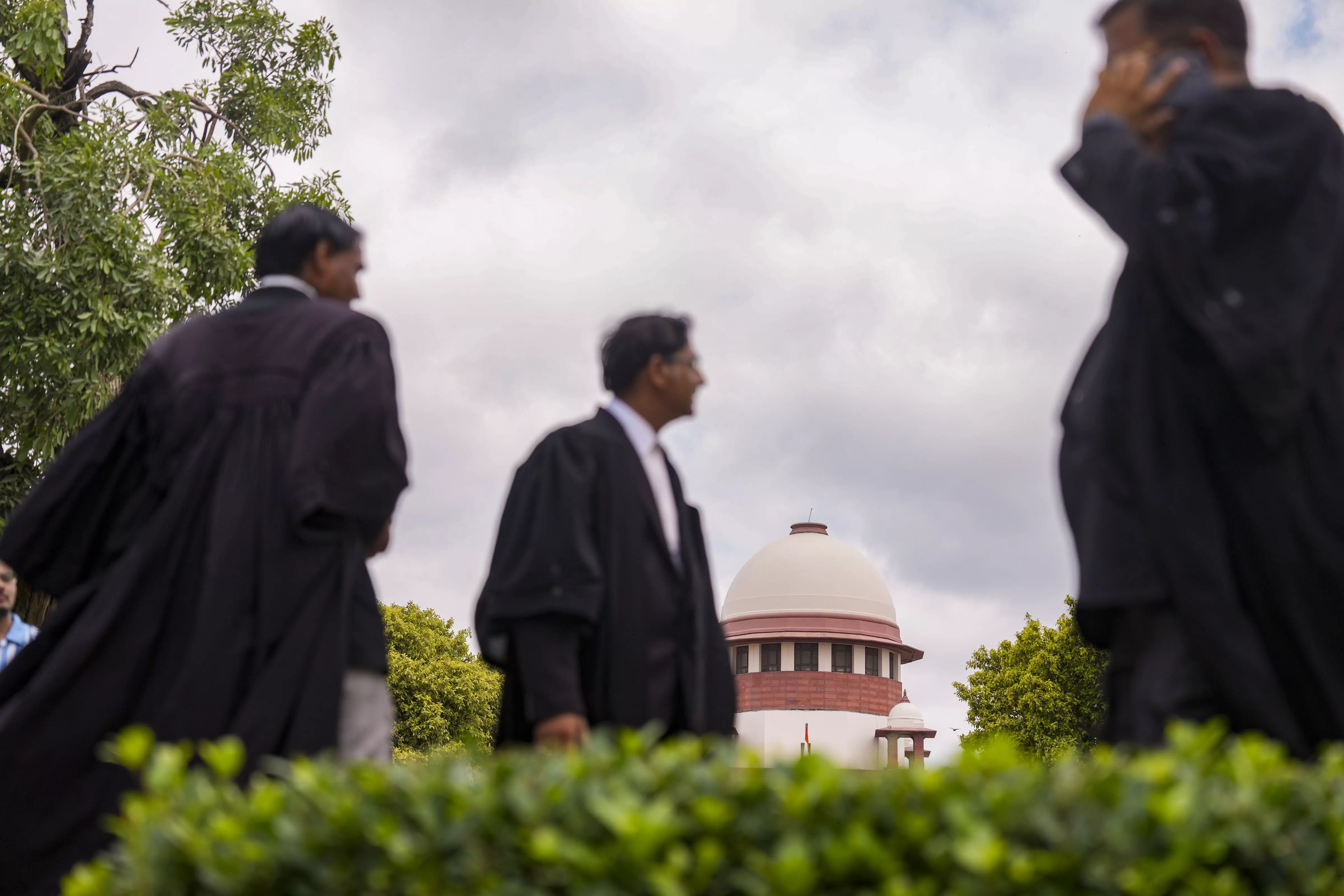
Supreme Court (File Photo)
New Delhi: Amid the rising menace of cybercriminals posing as law enforcement or court officials to extort money from victims, the Supreme Court on Monday directed the CBI to conduct a unified pan-India probe into digital arrest scam cases.
The apex court questioned the Reserve Bank of India (RBI) on why it was not using Artificial Intelligence to flag and freeze bank accounts operated by cyber fraudsters. It also directed States, including Opposition-ruled West Bengal, Tamil Nadu, Karnataka and Telangana, to grant consent to the CBI to investigate digital arrest cases within their jurisdictions.
Digital arrest is an emerging form of cybercrime in which fraudsters impersonate police or judicial authorities and intimidate victims through audio and video calls, forcing them to comply with demands for money. A bench of Chief Justice of India Surya Kant and Justice Joymalya Bagchi issued notice to the RBI, seeking an explanation for not employing AI or machine learning tools to freeze accounts used in cyber fraud swiftly.
The directions were issued in a suo motu case based on a complaint by an elderly couple from Haryana. The court noted that senior citizens are frequently targeted, with their hard-earned savings being siphoned off by cybercriminals.
The court ordered Information Technology intermediaries to fully cooperate with the CBI and provide the necessary details for the investigation. It further directed the agency to seek assistance from Interpol to track cybercriminals operating from offshore tax havens.
The Department of Telecommunications was asked to ensure that telecom service providers do not issue multiple SIM cards to a single user or entity, as such practices are often exploited in cybercrimes. To strengthen coordination, the court instructed all States and Union Territories to establish regional and State-level cybercrime coordination centres to support the CBI in handling online offences.
Solicitor General Tushar Mehta was asked to compile and present the views of various Union ministries, including home, finance, electronics and information technology, and the Department of Telecom, on tackling cybercrime.
The Supreme Court also said that all States, UTs, their police forces, and the CBI were free to freeze bank accounts used to defraud citizens. It directed the CBI to investigate bank officials who collude with fraudsters in operating mule accounts. A mule account is a bank account held in someone else's name but used by cybercriminals to receive and transfer illicit funds, making it difficult for agencies to trace the source of the money.
On November 3, the court had said digital arrest cases must be dealt with “an iron hand,” expressing shock over the scale of fraud, with more than ₹3,000 crore reportedly extorted from victims, including senior citizens. It had also examined two sealed-cover reports submitted by the Union home ministry and the CBI.
( Source : Deccan Chronicle )

Next Story